Atlanta's BeltLine
neighborhoods, ranked.
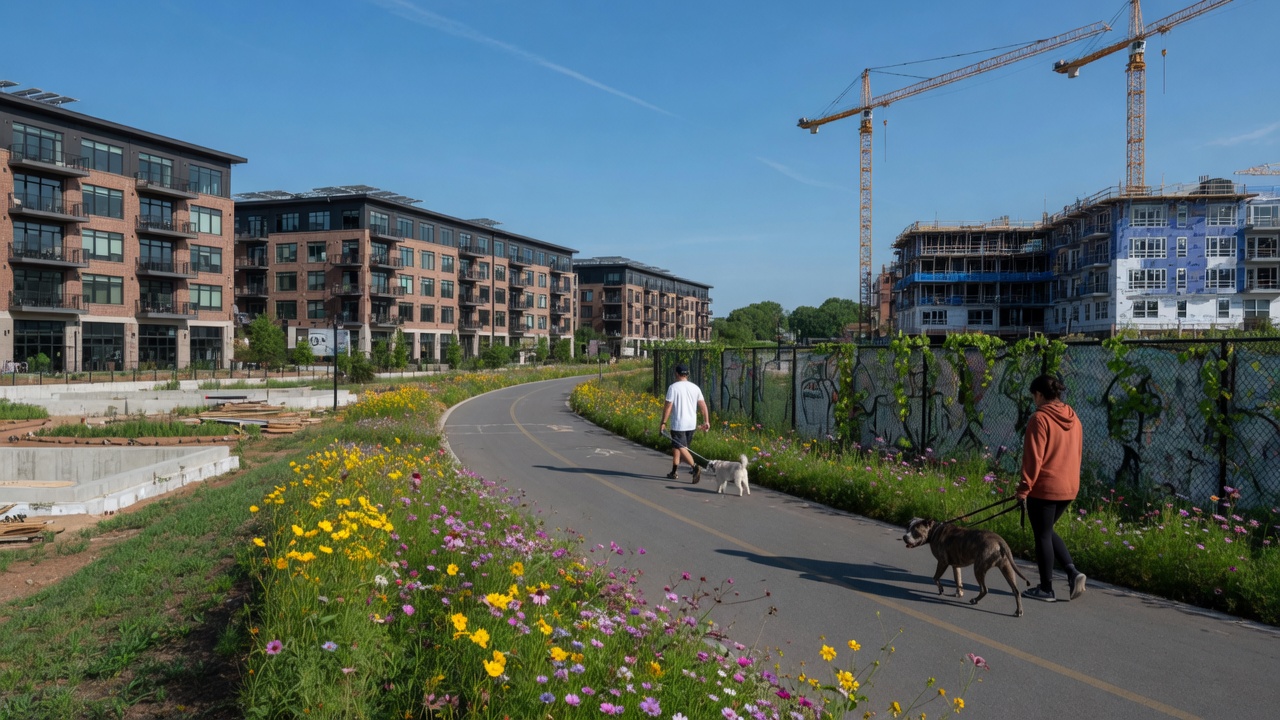
The Atlanta BeltLine is more than a trail — it's the connective tissue of Atlanta's most vibrant neighborhoods. As of June 2026, nearly 17 miles of continuous paved trail link 45 neighborhoods in a loop around the city, with more segments opening every year. The neighborhoods along this corridor aren't just "near the BeltLine" — they've been transformed by it.
Whether you're a homebuyer trying to decide which trailside community fits your lifestyle, a visitor looking to explore Atlanta on foot, or a longtime resident curious about what's happening in adjacent neighborhoods, this guide covers every major BeltLine-adjacent neighborhood in the city. For each one, I've broken down the vibe, the housing, the must-visit spots, and — most importantly — how you actually get on the trail.
I've been helping people buy and sell homes in these neighborhoods for years, block by block. Here's what I've learned about each one.
Neighborhoods Covered
Old Fourth Ward
Urban energy meets historic charm
What Makes It Unique
Old Fourth Ward is the neighborhoods where the BeltLine dream became reality. Ponce City Market anchors the area as a food hall, shopping destination, and community gathering space. The Historic Fourth Ward Park offers a splash pad, amphitheater, and green space, while the Martin Luther King Jr. National Historic Site adds deep cultural significance. Few neighborhoods in Atlanta blend history, food, nightlife, and outdoor access this seamlessly.
BeltLine Access
The Eastside Trail runs directly through O4W, with major access at Ponce City Market, Freedom Parkway, and the Krog Street Tunnel. This is the most walkable, trail-adjacent stretch in the entire city.
Housing Styles
A dynamic mix of converted industrial lofts, new-construction condos and townhomes, restored shotgun houses, and modern builds. Expect high ceilings, exposed brick, and rooftop terraces.
Popular Spots
Poncey-Highland
Laid-back and centrally located
What Makes It Unique
Poncey-Highland is one of Atlanta's best-kept secrets for people who want walkability without the frenzy. It's sandwiched between O4W, Virginia-Highland, and Druid Hills, giving you access to three neighborhoods' worth of restaurants and shops on foot. The neighborhood has a strong community identity with active local organizations and a Saturday farmers market scene.
BeltLine Access
Poncey-Highland sits between the Eastside Trail and the Freedom Parkway corridor. Residents can access the BeltLine from multiple points, including near the Ponce de Leon Avenue bridge and the trailhead at Boulevard.
Housing Styles
Predominantly 1920s–1940s bungalows and Craftsman-style cottages, with some mid-century ranches and a scattering of new townhomes. Tree-lined streets with generous front porches.
Popular Spots
Inman Park
Historic elegance with an artsy edge
What Makes It Unique
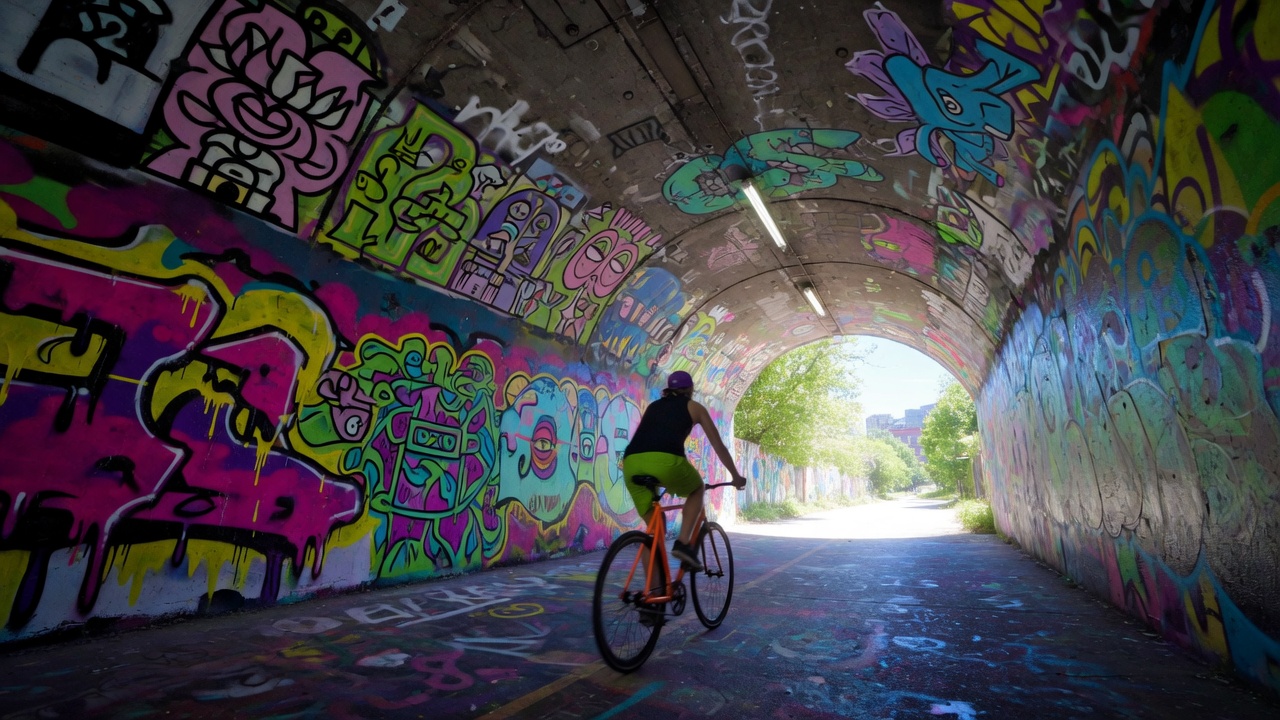
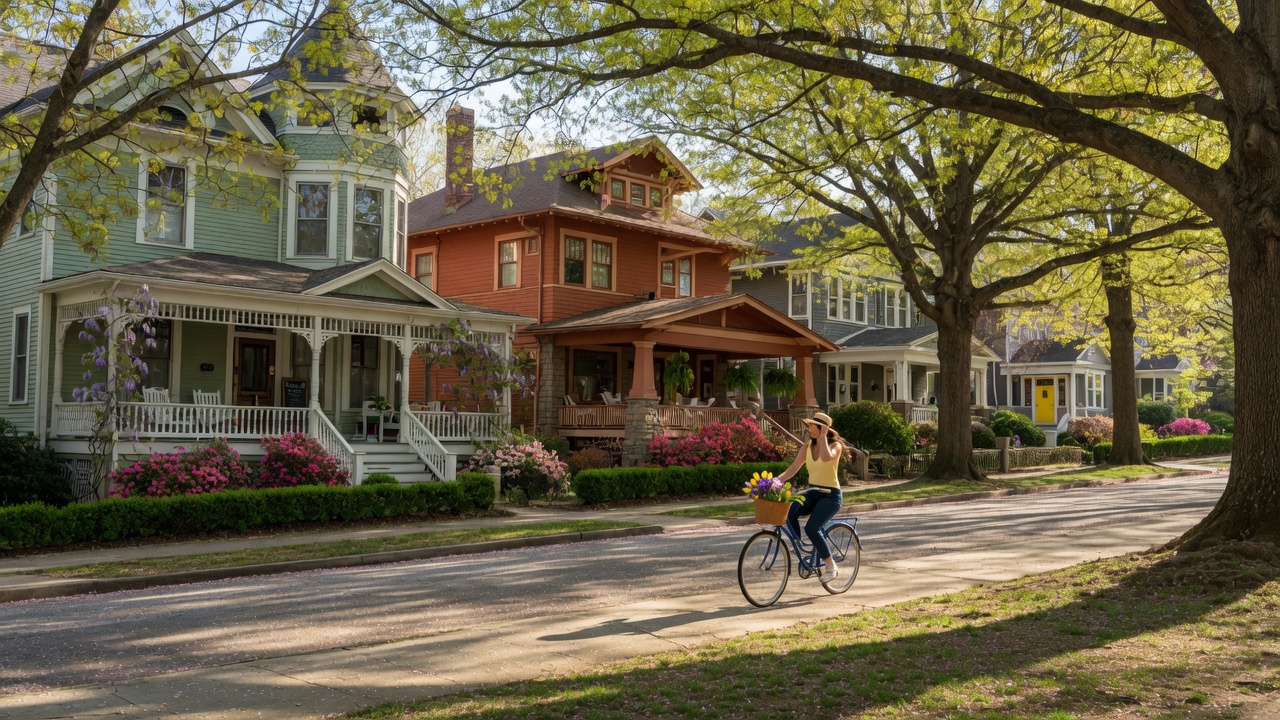
Inman Park is Atlanta's first planned suburban neighborhood, and it shows — in the best way. The tree canopy is extraordinary, the homes are architecturally significant, and the annual Inman Park Festival is one of the city's most beloved street celebrations. The Krog Street Tunnel, covered in ever-changing street art, has become one of Atlanta's most photographed landmarks. Inman Park Village offers boutique shopping and dining with a distinctly local feel.
BeltLine Access
The BeltLine Eastside Trail connects Inman Park via the iconic Krog Street Tunnel, linking directly to Old Fourth Ward to the west. The Inman Park neighborhood also has trail access from the southeast via the planned Southside Trail extensions.
Housing Styles
Stunning Victorian and Queen Anne homes, beautifully restored Arts and Crafts bungalows, and the occasional modern infill. Streets are wide, canopied by oaks, and lined with historic marker plaques.
Popular Spots
Virginia-Highland
Polished village feel with nightlife
What Makes It Unique
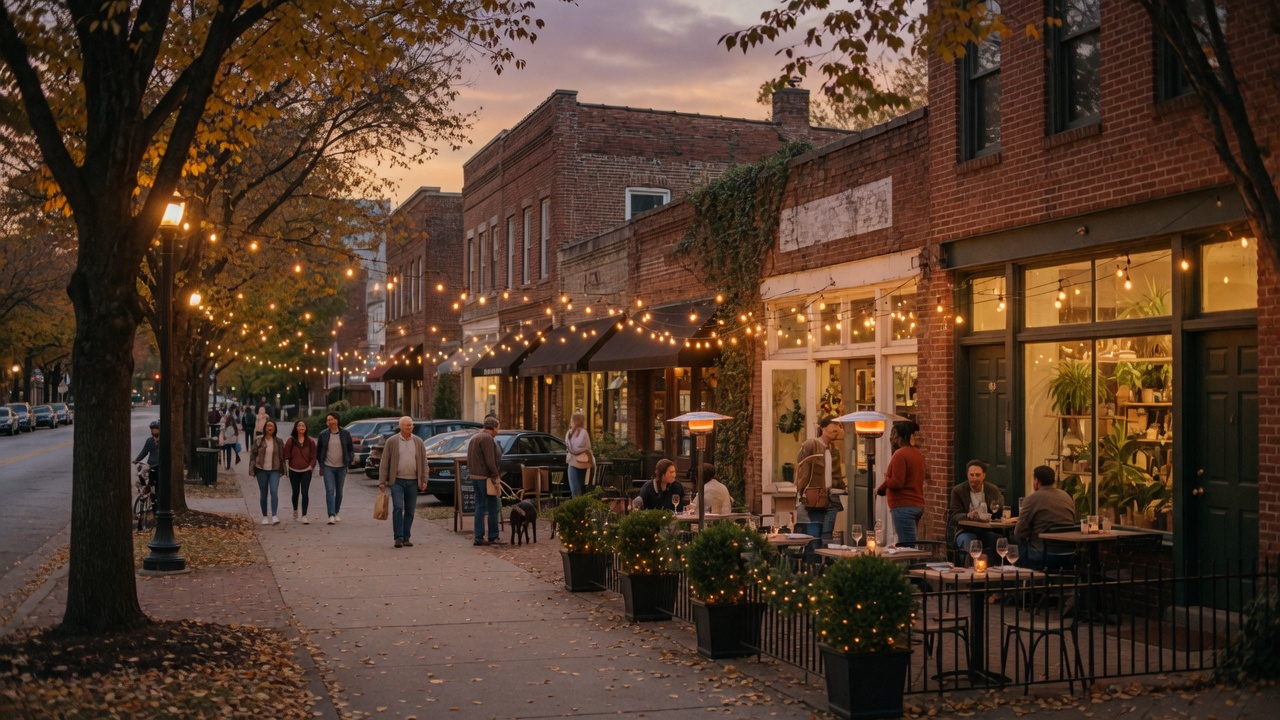
Virginia-Highland — or "VaHi" to locals — is Atlanta's quintessential neighborhood bar district. The intersection of Virginia Avenue and Highland Avenue is one of the city's most vibrant strips, packed with restaurants, bars, and boutiques. It's a neighborhood where you can grab coffee in the morning, browse a gallery at noon, and bar-hop at night without ever getting in a car. The proximity to Piedmont Park is a major bonus.
BeltLine Access
Virginia-Highland connects to the BeltLine via the east-west trail corridors and the nearby Freedom Parkway access points. The neighborhood sits just north of the Eastside Trail, making it an easy bike or walk to the trailhead.
Housing Styles
A strong mix of 1920s–1940s Tudor Revival homes, Craftsman bungalows, and colonials. Many have been lovingly updated with modern kitchens while preserving original architectural details.
Popular Spots
Midtown
Cosmopolitan energy with green space
What Makes It Unique
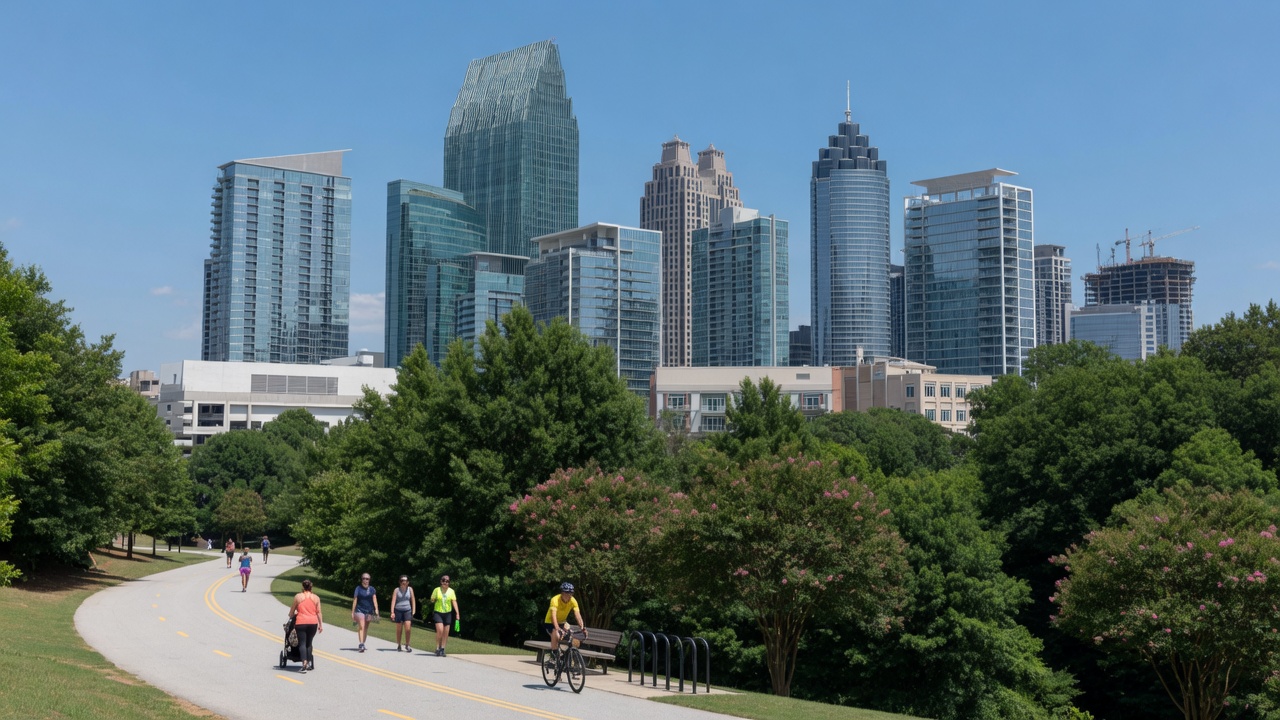
Midtown is Atlanta's densest urban neighborhood and its arts and culture capital. The High Museum of Art, the Fox Theatre, and the Woodruff Arts Center are all here. Piedmont Park — Atlanta's Central Park equivalent — anchors the south end, while the Midtown Mile along Peachtree Street offers upscale dining, shopping, and nightlife. It's a true live-work-play neighborhood with a skyline that's growing every year.
BeltLine Access
Midtown connects to the BeltLine via the Eastside Trail's southern end at Piedmont Park and the Arts Center MARTA station area. The trail runs along Midtown's eastern edge, linking it to Ansley Park, Old Fourth Ward, and beyond.
Housing Styles
High-rise and mid-rise condos dominate the core, with townhome communities along the edges. Closer to the park, you'll find restored Craftsman homes and newer luxury builds. BeltLine-adjacent developments are bringing a new wave of mixed-use residential.
Popular Spots
Westside BeltLine
Emerging, creative, and unpolished
What Makes It Unique
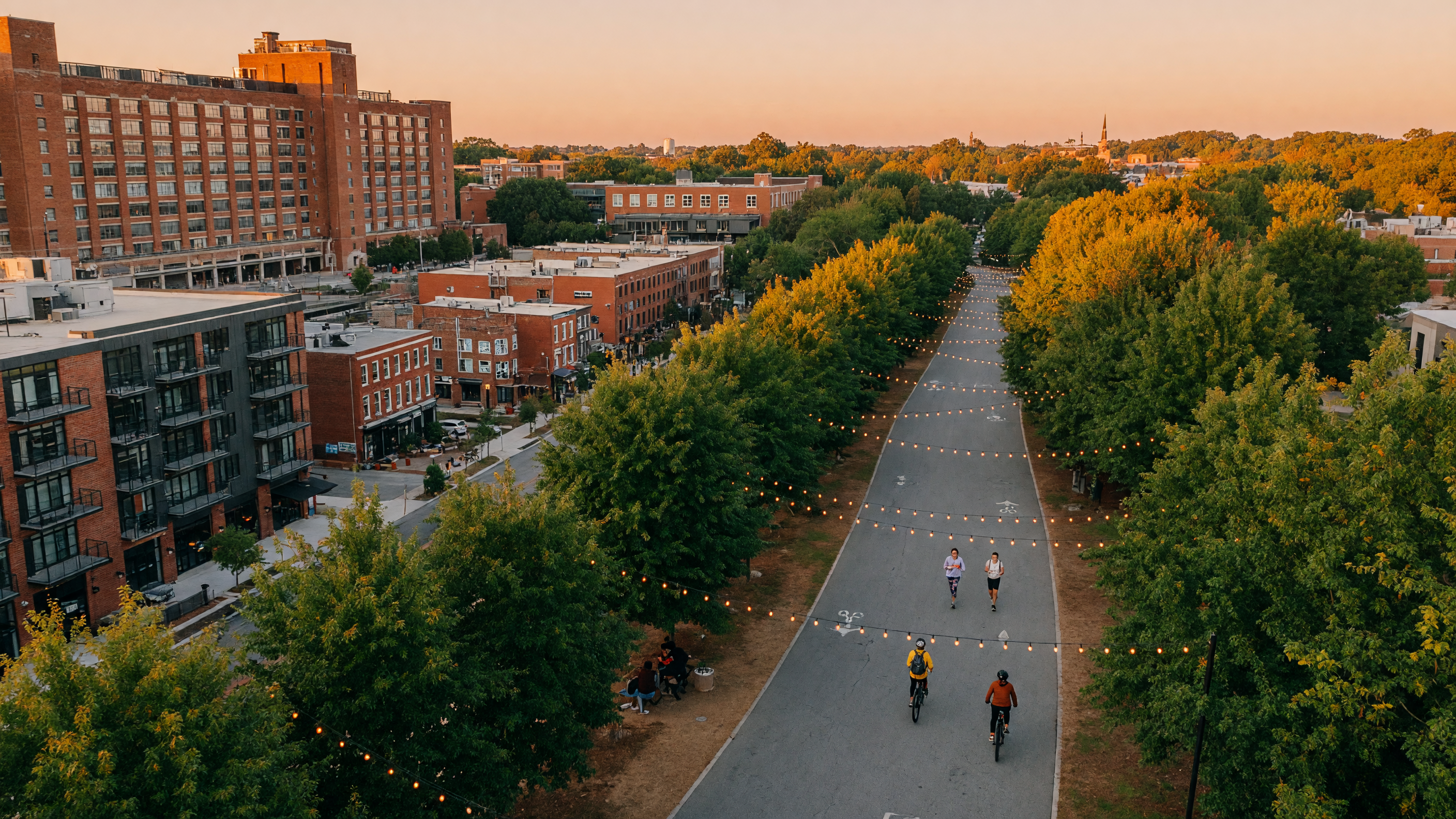
The Westside BeltLine corridor is Atlanta's most exciting emerging neighborhood cluster. Blandtown, once a small historic African American community, is now home to a wave of artist studios, breweries, and creative businesses. Berkeley Park offers a more residential, family-friendly feel with easy trail access. The Westside has a raw, authentic energy — think murals on warehouse walls, pop-up markets, and a craft beer scene that rivals any neighborhood in the city. It's where Atlanta's creative class is setting up shop.
BeltLine Access
The Westside Trail is a 6.7-mile corridor running through Blandtown, Berkeley Park, and West End. With Segment 4 completed in 2025, the Westside now offers the longest continuous stretch in the entire BeltLine system. Major trailheads include the Intersection at W. White Street and the Blandtown access point.
Housing Styles
A mix of older ranch-style homes, new townhome developments, converted warehouse lofts, and artist live/work spaces. The area is rapidly developing with modern mixed-use projects.
Popular Spots
East Atlanta
Eclectic, independent, and community-driven
What Makes It Unique
East Atlanta Village is the neighborhood for people who want Atlanta's creative, counter-cultural side. The Village strip along Flat Shoals Avenue is packed with independent restaurants, vintage shops, and live music venues. It hosts the annual East Atlanta Village Strut, one of the city's best neighborhood festivals. The community spirit here is palpable — this is a neighborhood that rallies around its local businesses and artists.
BeltLine Access
East Atlanta connects to the BeltLine via the Southeast Trail (completed 2026), which links the neighborhood to Grant Park, Glenwood Park, and the broader trail loop. The East Atlanta Village is a short ride or drive to multiple trail access points.
Housing Styles
Ranch homes and bungalows from the 1940s–1960s dominate, with increasing infill of modern townhomes and new-construction single-family homes. Yards tend to be larger here than in more urban-adjacent neighborhoods.
Popular Spots
Grant Park
Historic, leafy, and family-friendly
What Makes It Unique
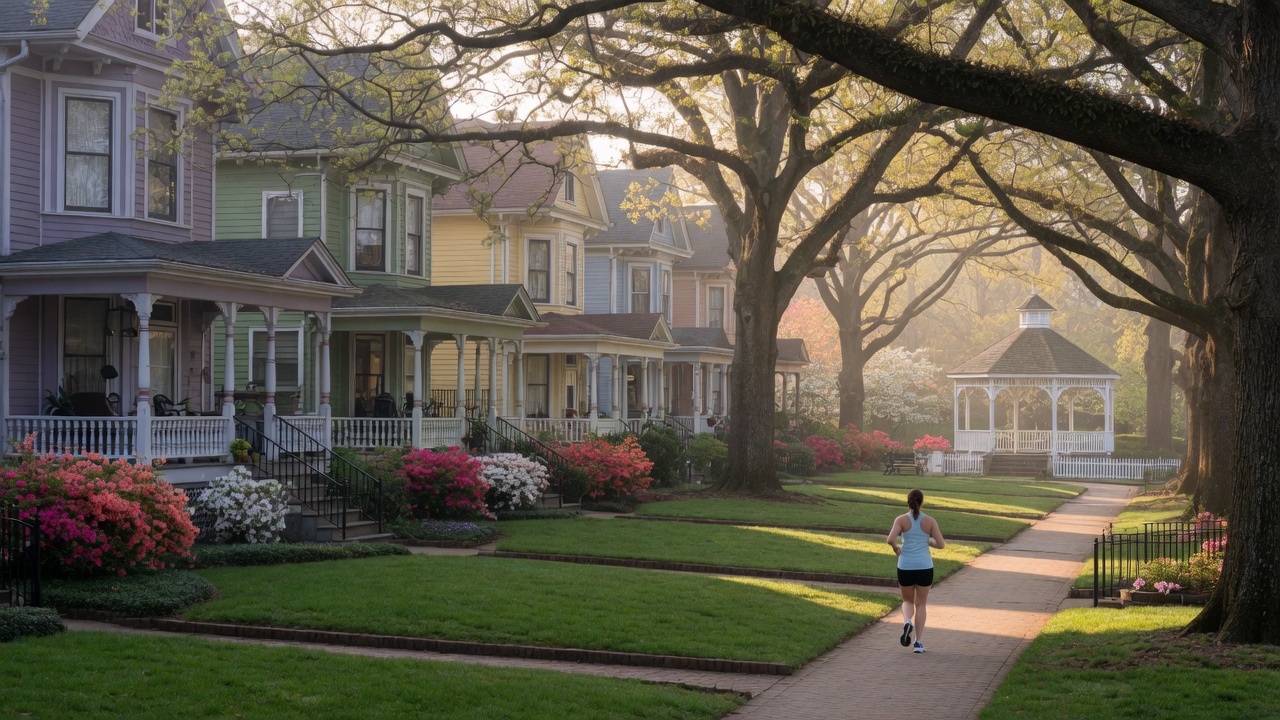
Grant Park is Atlanta's oldest park and one of its most beautiful neighborhoods. The 131-acre park features the Zoo Atlanta, an historic bandstand, and rolling green lawns that host festivals year-round. The neighborhood surrounding the park has some of Atlanta's finest Victorian and Craftsman architecture, with deep roots in the African American community. The annual Grant Park Summer Shade festival draws thousands.
BeltLine Access
Grant Park now has direct BeltLine access via the Southeast Trail, which opened in early 2026. The trail connects Grant Park to Glenwood Park, Ormewood Park, and the broader southern loop, making it one of the newest trail-adjacent neighborhoods.
Housing Styles
Beautifully restored Victorian cottages, Craftsman bungalows, and shotgun homes. Recent years have seen an influx of new townhome and single-family construction, but the historic character remains strong.
Popular Spots
Reynoldstown
Tight-knit and trailside
What Makes It Unique
Reynoldstown is small but mighty. This historic neighborhood, named after early 20th-century businessman James Reynolds, has a fiercely loyal community. The BeltLine has transformed its accessibility, and the neighborhood has responded with a wave of local businesses — coffee shops, breweries, and restaurants — that give it a village-within-the-city feel. The community garden scene here is among the best in Atlanta.
BeltLine Access
Reynoldstown has some of the most direct BeltLine access of any neighborhood in the city. The Eastside Trail runs along its western edge, with multiple entry points along Glenwood Avenue and Memorial Drive. It's a true trailside neighborhood.
Housing Styles
Historic bungalows and shotgun houses form the core, with a growing number of modern townhomes and mixed-use developments near the trail. Many homes have been updated with contemporary finishes while maintaining their original character.
Popular Spots
Which BeltLine Neighborhood Is Right for You?
The "best" BeltLine neighborhood depends entirely on what you're looking for. If you want maximum trail access and urban energy, Old Fourth Ward and Reynoldstown are hard to beat. If you prefer a more residential, tree-lined feel with easy trail access, Inman Park and Poncey-Highland deliver. Virginia-Highland and Midtown offer the most walkable commercial strips, while the Westside BeltLine corridor is the place to watch for emerging opportunities.
East Atlanta and Grant Park round out the picture for families and anyone who values community spirit, larger yards, and a slightly more relaxed pace — all with BeltLine access that's improving every year as new trail segments open.
The BeltLine isn't just a trail — it's a neighborhood selection tool. If you're thinking about buying near it, the question isn't whether the trail adds value (it does). The question is which stretch of trail matches the life you want to live.
Have questions about any of these neighborhoods? I'm happy to talk through what I know — block by block, street by street. That's what I do.
Talk to a local expert
Tommy Williams knows every BeltLine neighborhood in Atlanta. Whether you're buying, selling, or just exploring — reach out for honest, local insight.
Contact TommyAbout the Author
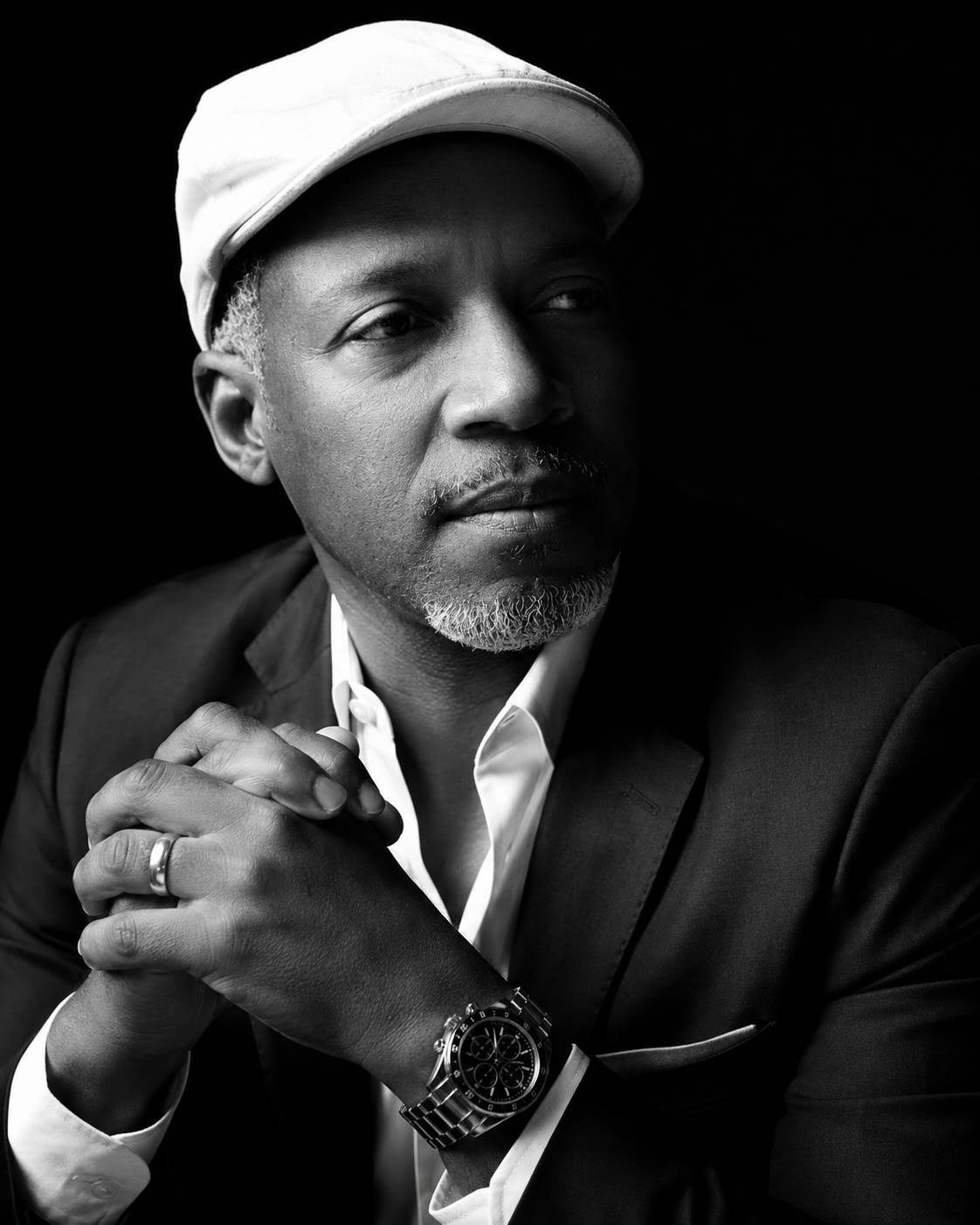
Tommy Williams
Tom Will Sell Atlanta · BeltLine Neighborhood Expert
Tommy knows Atlanta's BeltLine neighborhoods block by block. From O4W to the Westside, he's helped buyers and sellers navigate every trailside community in the city. When he's not closing deals, he's riding the trail, trying new restaurants, and exploring what each neighborhood has to offer.