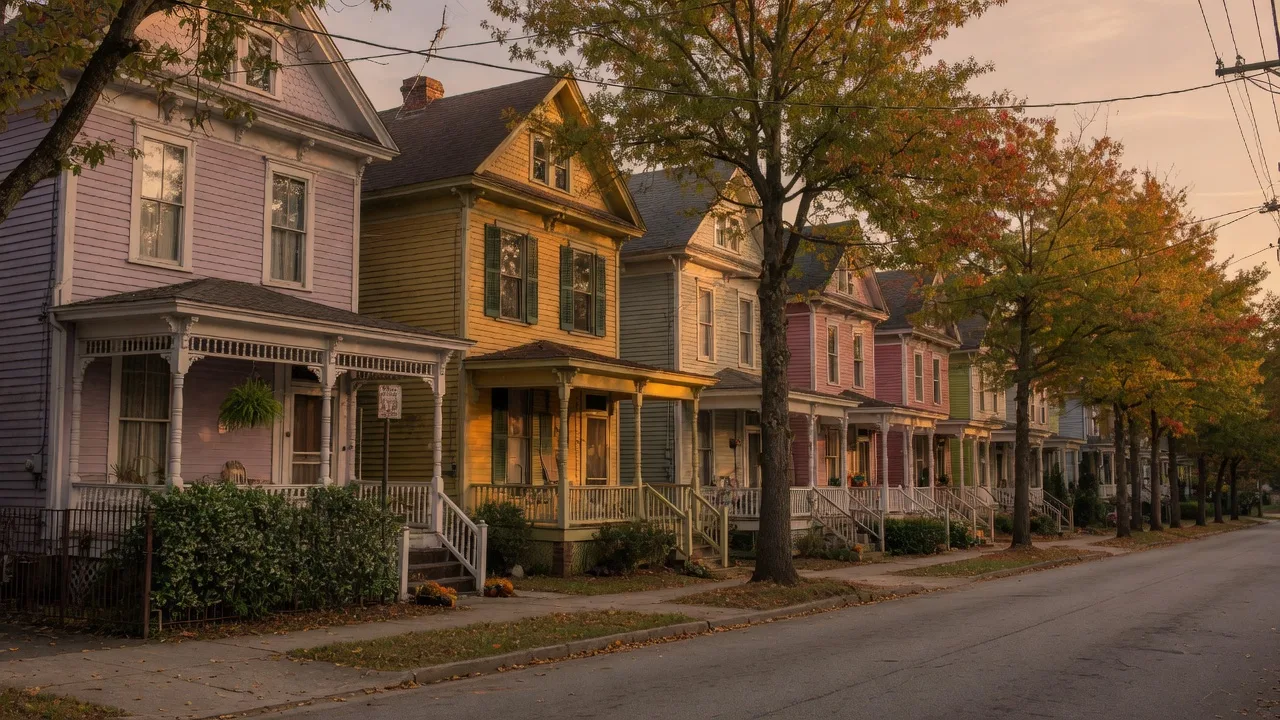
To understand Old Fourth Ward today, you have to understand where it's been. This isn't just a trendy neighborhood — it's a place where the story of Atlanta itself has been written, block by block, for over a century and a half.
The Early Years: 1800s–1900s
Old Fourth Ward was one of Atlanta's earliest neighborhoods, established in the mid-1800s as the city expanded eastward from its railroad origins. Originally a mix of working-class white and Black residents, the neighborhood was home to a diverse, gritty community of railroad workers, merchants, and tradespeople.
The neighborhood's name comes from Atlanta's old ward system — it was literally the "Fourth Ward," one of the city's original political divisions. The "Old" was added later, as Atlanta's boundaries expanded and new wards were created.
1906 Race Riot and Its Aftermath
The Atlanta Race Massacre of 1906 was a turning point for the entire city — and especially for Old Fourth Ward. The violence, which killed dozens and destroyed Black-owned businesses, accelerated the racial segregation of Atlanta's neighborhoods. In the aftermath, O4W became an increasingly Black neighborhood, a character it would maintain for most of the 20th century.
Despite the violence, Black residents rebuilt. O4W became a center of African American life in Atlanta — home to churches, businesses, schools, and a thriving cultural community. Auburn Avenue, which runs through the heart of the neighborhood, would later be called "the richest Negro street in the world."
The MLK Era: A Neighborhood That Changed the World
On January 15, 1929, Martin Luther King Jr. was born at 501 Auburn Avenue in Old Fourth Ward. He grew up in this neighborhood, attended Ebenezer Baptist Church (still standing on Auburn Avenue), and was shaped by the community that surrounded him.
The Martin Luther King Jr. National Historic Site, established in 1980, preserves the blocks where King grew up — his birth home, the church, and the surrounding buildings. It's one of the most visited sites in Atlanta, and it sits right in the heart of O4W, a constant reminder of the neighborhood's place in American history.
Decline and Neglect: 1960s–1990s
Like many inner-city neighborhoods across America, O4W suffered decades of disinvestment. White flight, highway construction (Interstate 20 cut through the area), and economic decline left the neighborhood with abandoned buildings, vacant lots, and a population that had dropped significantly from its peak.
The old Sears building on Ponce de Leon Avenue — the massive Art Deco structure that would eventually become Ponce City Market — sat largely vacant for years, a symbol of the neighborhood's dormant potential.
The Renaissance: 2000s–Present
The transformation of O4W over the past two decades has been remarkable. Several factors converged to spark the neighborhood's renaissance:
The Atlanta BeltLine. The conversion of abandoned railroad tracks into a trail network was the single biggest catalyst. The Eastside Trail, which runs through O4W, brought foot traffic, investment, and a new way of experiencing the neighborhood.
Ponce City Market. The 2014 opening of Ponce City Market — the adaptive reuse of the old Sears building into a food hall, retail space, and office/residential complex — gave the neighborhood a world-class anchor. It became an instant destination and a symbol of O4W's new identity.
New residential development. Modern condos, townhomes, and apartment complexes began filling in vacant lots and replacing deteriorating buildings. The neighborhood's population surged, bringing new residents, new businesses, and new energy.
The Complexities of Change
It's impossible to tell O4W's story honestly without acknowledging the tensions that come with rapid change. Gentrification has transformed the neighborhood's demographics — from a majority-Black neighborhood to one that is now majority-white. Long-time residents have been displaced, and the affordable housing that once defined O4W has largely disappeared.
This complexity is part of O4W's identity. The neighborhood holds both its history and its present in the same breath — civil rights landmarks sit next to craft cocktail bars, and the story of Dr. King's childhood unfolds on the same blocks where new condos are being built. Understanding this tension is essential to understanding O4W.
O4W Today
Today, Old Fourth Ward is one of the most dynamic neighborhoods in Atlanta — and in the entire Southeast. It's a place where history is alive, where the BeltLine connects people to the city in new ways, and where the food, art, and culture scene rivals neighborhoods twice its size.
With a Walk Score of 82, a vibrant dining scene, world-class parks, and a location that puts you at the center of everything, O4W isn't just a great neighborhood — it's a neighborhood that tells the story of Atlanta itself.
The latest chapter landed in 2026: the BeltLine's Southside Trail opened its final segments this spring and summer, completing the roughly 17-mile continuous loop. The Eastside Trail through O4W, once the trail's showpiece dead-end, is now the hinge of a full circle. Visitors can ride from the Historic Fourth Ward straight through to Grant Park, the West End, and back. It's a fitting next move for the neighborhood that started the whole BeltLine era. The commercial streets are writing their own next chapter. Edgewood Avenue said goodbye to Joystick Gamebar, which closed in July 2026 after 14 years and is relocating to East Atlanta Village, while The Roux Kitchen, a New Orleans-style kitchen, opened on the corridor. Ponce City Market marked its 100th birthday with a food hall reset, Okiboru and NoriFish among the new vendors, and a redesigned rooftop. The neighborhood's story keeps moving.
About the Author
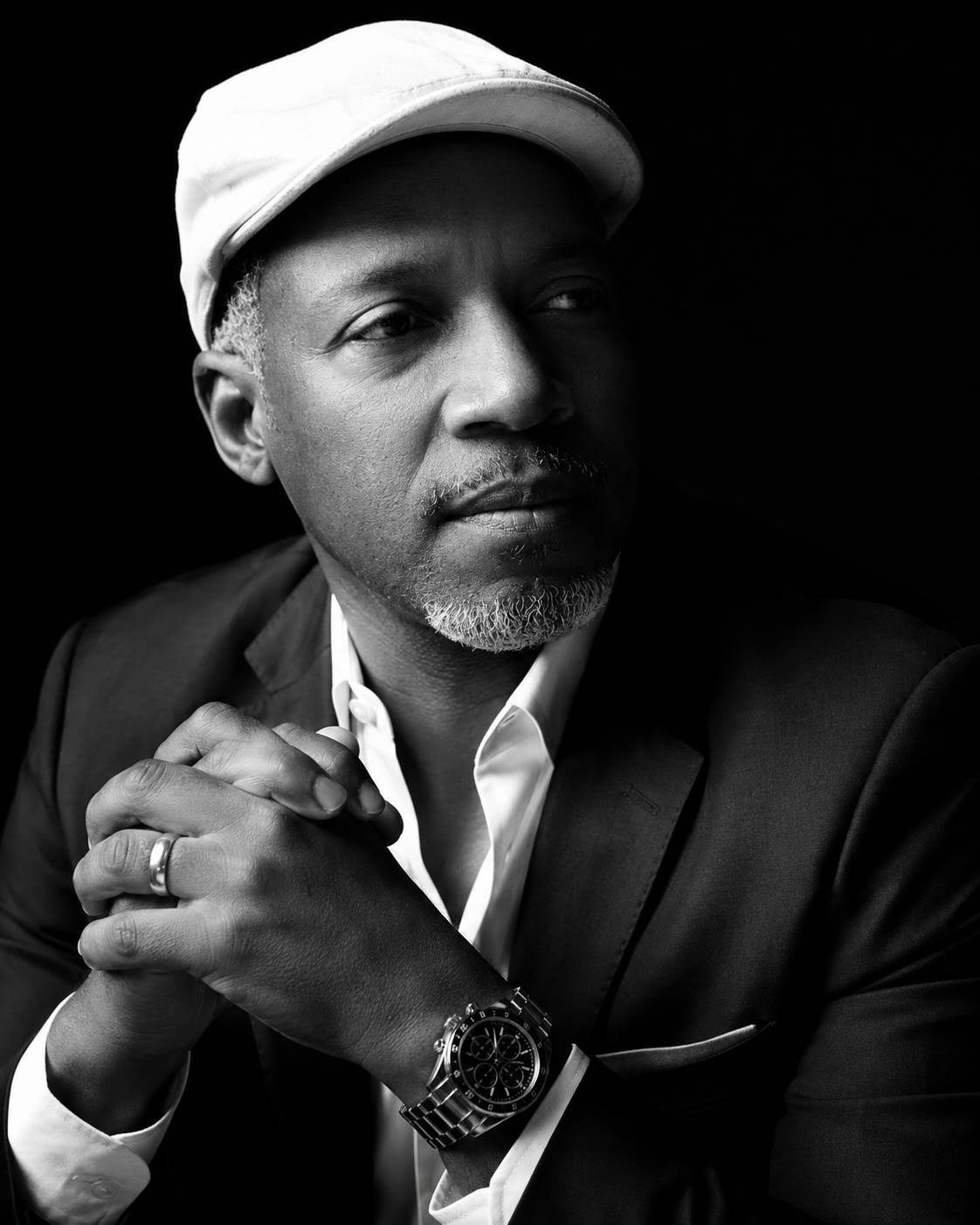
Tommy Williams
Tom Will Sell Atlanta · Old Fourth Ward Expert
Tommy knows O4W block by block. When he's not helping clients find their perfect home, he's exploring the neighborhood's newest restaurants, trails, and hidden gems.