
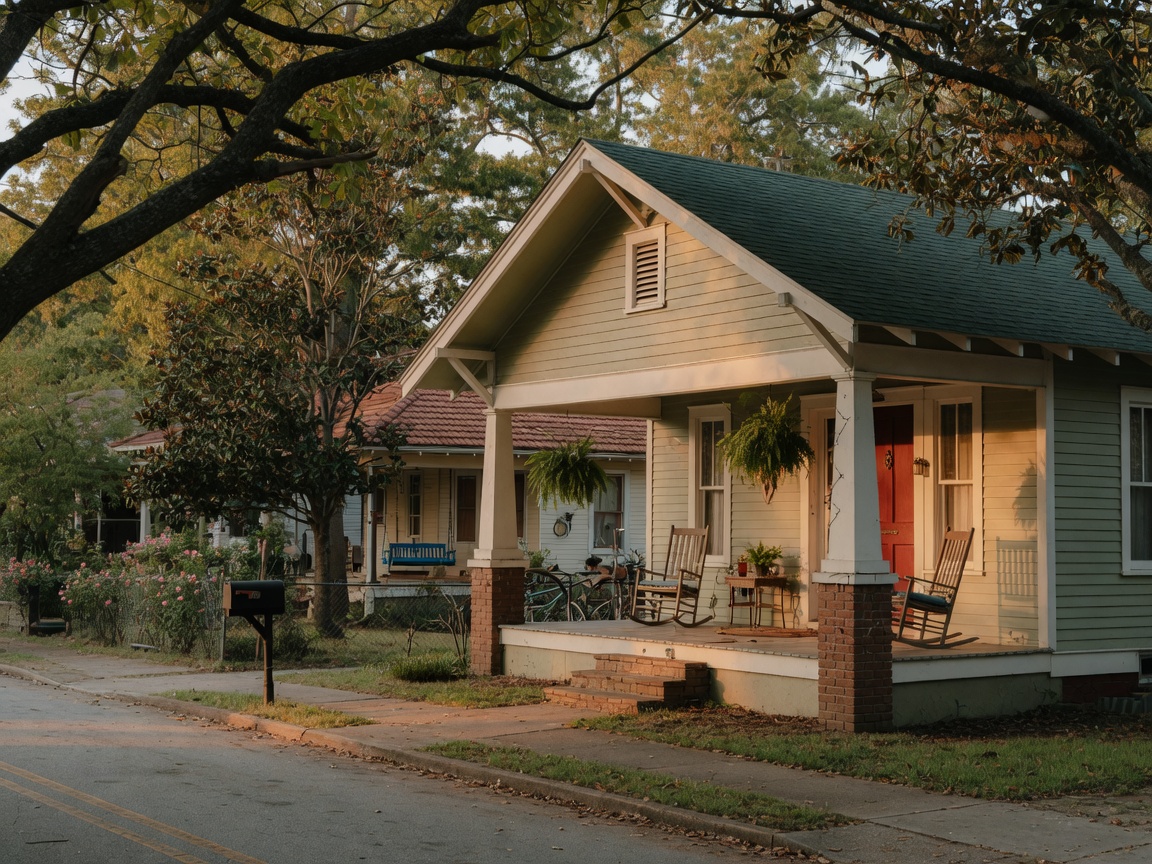
East Atlanta Village — EAV to the locals — is one of Atlanta's most character-rich neighborhoods. It's not the flashiest, not the most polished, and not trying to be. What it is: a self-contained village of independent shops, live music venues, neighborhood bars, and bungalow-lined streets where people actually know each other's names. If Atlanta has a punk rock neighborhood, this is it.
Located about four miles southeast of downtown Atlanta, East Atlanta Village sits at the intersection of Flat Shoals Avenue and Glenwood Avenue — a crossroads that anchors a commercial district unlike anything else in the city. This is your complete guide to the neighborhood: its history, its culture, what to do, where to eat, and what it's like to live here.
The Vibe: Independent, Eclectic, Unapologetically Itself
East Atlanta Village has always marched to the beat of its own drum. Originally a working-class streetcar suburb in the late 1800s, the neighborhood declined in the 1970s and 1980s before being revitalized in the 1990s by artists, musicians, and young people drawn to cheap rent and a Do-It-Yourself ethos. That spirit hasn't faded — it's woven into the neighborhood's DNA.
Walk through EAV on any given day and you'll see hand-painted signs, vinyl record shops, vintage clothing stores, and tattoo parlors alongside coffee shops and brunch spots. The architecture is a mix of Victorian-era homes, Craftsman bungalows, and mid-century cottages, many of them colorfully painted or decorated in ways that reflect their owners' personalities. The street art is constant — murals, stickers, and installations that change with the seasons.
Unlike BeltLine-adjacent neighborhoods like Old Fourth Ward or Inman Park, EAV doesn't attract tourists. It's a local's neighborhood, through and through. The people who live here tend to stay, and the businesses that open here tend to be owned by people who live in the neighborhood. That's not an accident — it's a choice, and it's what gives EAV its identity.
The History: From Streetcar Suburb to Music Mecca
East Atlanta was platted in the 1880s as a residential suburb connected to downtown Atlanta by streetcar. The neighborhood grew steadily through the early 1900s, with modest Victorian and Craftsman homes built for working- and middle-class families. For decades, it was a quiet, stable residential area — not wealthy, not trendy, just a neighborhood.
That changed in the 1970s and 1980s, when economic decline, white flight, and disinvestment hit many intown Atlanta neighborhoods. East Atlanta was no exception. Properties deteriorated, businesses closed, and the neighborhood gained a reputation for crime and neglect.
The turnaround began in the 1990s, when artists and musicians started moving in, drawn by low rents and large houses. A wave of renovation and reinvestment followed, and by the early 2000s, East Atlanta Village had re-established itself as one of Atlanta's most vibrant and creative neighborhoods. The opening of The Earl in 1999 — a music venue and restaurant that quickly became the neighborhood's anchor — was a turning point. It put EAV on the map as a destination for live music and gave the commercial district a gravitational center.
Today, the neighborhood is mature and stable. The houses have been renovated, the commercial district is thriving, and the sense of community is strong. But EAV hasn't lost its edge. It's still independent, still a little rough around the edges, and still the kind of place where a tattoo artist and a retired schoolteacher might sit next to each other at the same bar.
The Music Scene: The Earl and Beyond
If East Atlanta Village has a heartbeat, it's The Earl. Opened in 1999 on Flat Shoals Avenue, The Earl is a music venue, restaurant, and bar that has hosted thousands of shows — from local bands to nationally touring acts. The venue is intimate, the sound is good, and the bookings span punk, indie, hip-hop, electronic, and everything in between.
The Earl isn't just a music venue — it's a neighborhood institution. The restaurant serves solid bar food (burgers, tacos, late-night bites), and the bar is well-stocked and reasonably priced. On any given night, you might see a band you've never heard of deliver the best set you've seen all year, or you might just come in for a beer and end up talking to the bartender about the neighborhood for an hour.
But The Earl isn't the only musical venue in EAV. The neighborhood and surrounding area have supported a broader ecosystem of live music — from house shows to pop-up events to other bars and venues that book local acts. The annual East Atlanta Strut, a street festival held each fall, brings live music, food vendors, art, and thousands of neighbors together for a celebration of everything that makes EAV special.
The Farmers Market
One of EAV's most beloved traditions is the East Atlanta Village Farmers Market, held seasonally on Thursday afternoons from 4:00 PM to 8:00 PM at 572 Stokeswood Avenue. The market features local farmers, food artisans, and craftspeople selling everything from seasonal produce and fresh-baked bread to handmade goods and local honey.
The farmers market is more than a shopping destination — it's a social event. Neighbors gather, dogs get walked, kids run around, and the sense of community is palpable. If you want to understand what makes EAV special, spend a Thursday evening at the farmers market. You'll see it in action.
Things to Do in East Atlanta Village
EAV's commercial district is compact but packed with things to do. Here's a snapshot:
Live Music & Nightlife
The Earl is the anchor, but the neighborhood's nightlife extends beyond a single venue. Argosy, just down Flat Shoals Avenue, is a restaurant and bar with a great cocktail list, a curated beer selection, and a menu that goes well beyond typical bar food. Banshee, on Glenwood Avenue, offers a more refined dining and cocktail experience. The neighborhood also has a number of smaller bars and hangouts that rotate events and pop-ups.
Shopping & Retail
EAV's retail scene is fiercely independent. You'll find vintage clothing stores, vinyl record shops, tattoo parlors, independent bookstores, and specialty shops along Flat Shoals Avenue and the surrounding blocks. This isn't a neighborhood with chain stores — the businesses here are owned by people who live in the community and care about it.
Parks & Green Space
East Atlanta Park sits at the heart of the neighborhood, with a playground, sports fields, a community center, and a dog park. The Atlanta BeltLine is accessible from EAV via the Southside Trail, which connects to the Eastside Trail and opens up the broader network of parks, trails, and neighborhoods along the corridor. Grant Park and the Atlanta Zoo are also just a short drive or bike ride away.
The East Atlanta Strut
Held annually in the fall, the East Atlanta Strut is the neighborhood's signature event — a street festival with live music, food vendors, art installations, a parade, and thousands of neighbors coming together to celebrate the community. It's one of Atlanta's best neighborhood festivals, and it captures everything that makes EAV special in a single day.
Housing in East Atlanta Village
East Atlanta Village offers some of the most diverse and accessible housing in intown Atlanta. Unlike neighborhoods with a single dominant housing style, EAV has a mix that reflects its long history and evolving character.
Craftsman Bungalows: The backbone of EAV's housing stock. These early 20th-century homes — typically one to three bedrooms, 1,000 to 1,800 square feet — feature front porches, gabled roofs, and the warm, lived-in character that makes intown Atlanta so appealing. Many have been renovated with updated kitchens and bathrooms while preserving original details like hardwood floors and built-in cabinetry.
Victorian Cottages: EAV has a collection of late 19th-century Victorian homes — smaller than the grand Victorians in Inman Park but full of character. These homes typically have two to three bedrooms, decorative trim, and the kind of details you don't find in new construction.
Mid-Century Homes: Some post-war ranches and bungalows from the 1940s and 1950s are scattered throughout the neighborhood, offering a different aesthetic — lower profiles, open floor plans, and larger lots.
Modern Construction: New townhomes and single-family homes have appeared in and around EAV, particularly along the edges of the neighborhood. These offer contemporary finishes and floor plans at higher price points.
Apartment Communities: Several apartment buildings and complexes serve the rental market, ranging from older garden-style apartments to newer developments. The rental market is active and competitive, particularly for one- and two-bedroom units.
What Makes EAV Different
Every Atlanta neighborhood has its own identity, and East Atlanta Village's is clear from the moment you arrive. Here's what sets it apart:
It's a village. The name isn't accidental. EAV functions as a self-contained community with its own commercial district, its own events, its own culture. You can walk to dinner, grab coffee, see a show, and pick up groceries without leaving the neighborhood.
It's independent. The businesses here are locally owned. The shops are unique. The restaurants are original. There are no chain stores in the village core, and the community works hard to keep it that way.
It's musical. The Earl put EAV on the map, but the music culture extends far beyond a single venue. House shows, pop-up events, open mics, and a general love of live performance run deep in the neighborhood's culture.
It's unpretentious. EAV doesn't try to be anything it's not. The restaurants aren't trying to get in the James Beard conversation. The bars aren't competing for "best cocktail program" awards. The neighborhood is comfortable with itself, and that confidence is part of its appeal.
What's New in EAV
EAV is in the middle of a restaurant revival. Sagra, an Italian wine bar, opened on Gresham Avenue in September 2026; Bar Schmutzi is on the way from the Little Bear team; and Joystick Gamebar is relocating into the Village from Edgewood Avenue this fall. The East Atlanta Strut returns to Brownwood Park on September 26, 2026, with the parade, artist market, and music stages that make it the neighborhood's biggest day of the year.
Tips for Getting to Know EAV
Visit on a Thursday. The farmers market runs seasonally on Thursday afternoons, and it's the best single entry point into the neighborhood's culture.
Go to The Earl on a weeknight. Weekend shows can be crowded. A Tuesday or Wednesday night at The Earl will give you a better feel for the venue and the neighborhood's relationship to live music.
Walk Flat Shoals Avenue. The commercial district is compact enough to explore on foot in an afternoon. Start at The Earl, walk south, and let the shops and restaurants pull you in.
Attend the Strut. If you're considering a move to EAV, attending the annual East Atlanta Strut will show you the neighborhood at its best — community, creativity, and celebration all in one day.
Talk to people. EAV is a neighborhood where people talk to each other. Sit at the bar at Argosy, chat with a vendor at the farmers market, or strike up a conversation on the sidewalk. You'll learn more in thirty minutes of talking than in an hour of Googling.
About the Author

Tommy Williams
Tom Will Sell Atlanta · Intown Atlanta Expert
Tommy knows East Atlanta Village and the surrounding neighborhoods inside and out. Whether you're exploring EAV for the first time or ready to make a move, he can help you navigate the market and find the right home.