
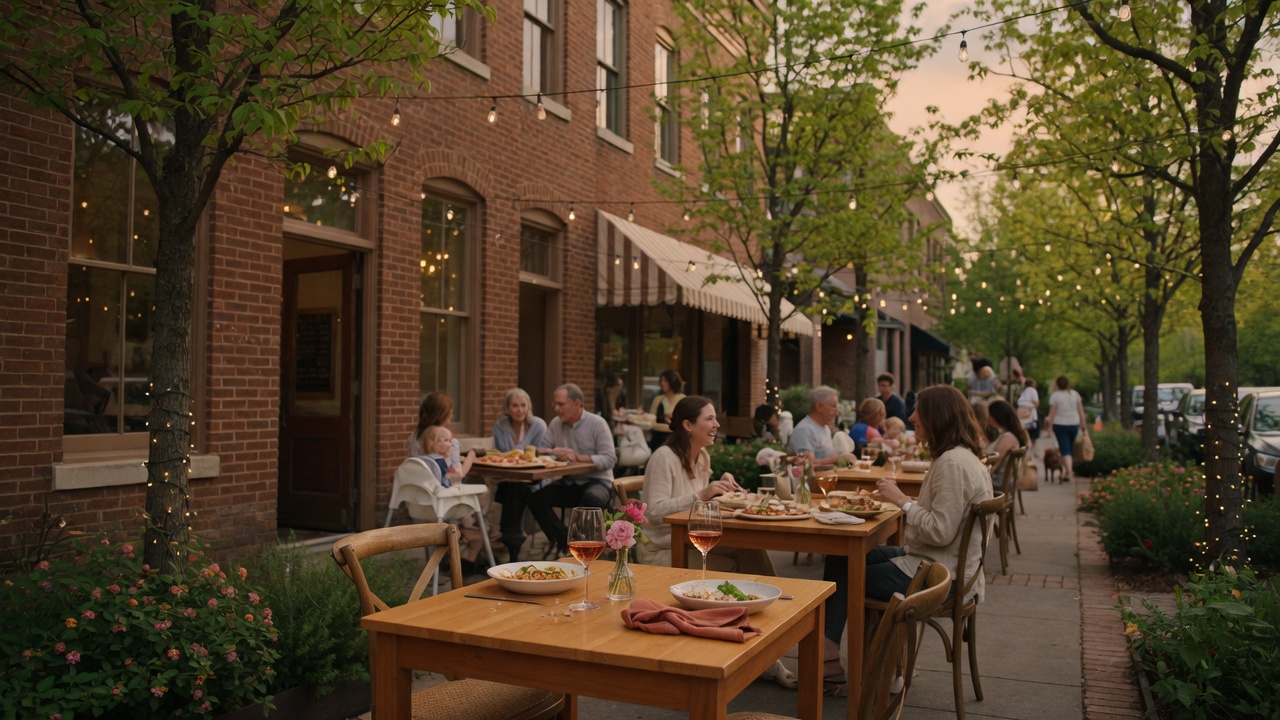
Glenwood Park is the kind of neighborhood that makes you rethink what "planned community" means. Built on a 28-acre former industrial site starting in 2003, it's one of Atlanta's first and most successful New Urbanist developments — a walkable, mixed-use village where townhomes, single-family homes, offices, and shops coexist on tree-lined streets with front porches, pocket parks, and a genuine sense of community.
Unlike many master-planned communities that feel sterile or cookie-cutter, Glenwood Park has warmth. The architecture is varied and intentional, the streets are designed for people rather than cars, and the neighborhood sits just minutes from the Eastside BeltLine trail, Grant Park, and some of Atlanta's best dining corridors. It's one of the few places in Atlanta where you can live in a thoughtfully designed community and still feel connected to the city's creative, intown energy.
What Is Glenwood Park?
Glenwood Park is a 28-acre, mixed-use New Urbanist community located in southeast Atlanta, bordered by Interstate 20 to the north, Glenwood Avenue SE to the south, and situated between the Grant Park and Ormewood Park neighborhoods. It sits in the 30316 zip code and is accessible via Bill Kennedy Way SE, which serves as the neighborhood's main street.
The neighborhood contains approximately 375 residential units — a mix of townhomes, single-family homes, and condominiums — along with ground-floor retail, office space, and community green spaces. It was developed by the Collaborative Group starting in 2003 on what was once a blighted industrial property, transforming it into one of the Southeast's most recognized examples of New Urbanist design.
Quick Facts
New Urbanist Design: What Makes Glenwood Park Different
The term "New Urbanist" gets thrown around a lot in real estate, but Glenwood Park is the real thing. The neighborhood was designed following the principles of the Congress for the New Urbanism (CNU) — a movement that advocates for walkable, mixed-use communities with connected street grids, diverse housing types, and public spaces that foster community interaction.
The street grid. Glenwood Park's streets are narrow, interconnected, and designed for walking, not for speeding through. Unlike suburban cul-de-sacs, the grid means there are multiple routes to anywhere in the neighborhood — and the short blocks create a rhythm that feels natural on foot.
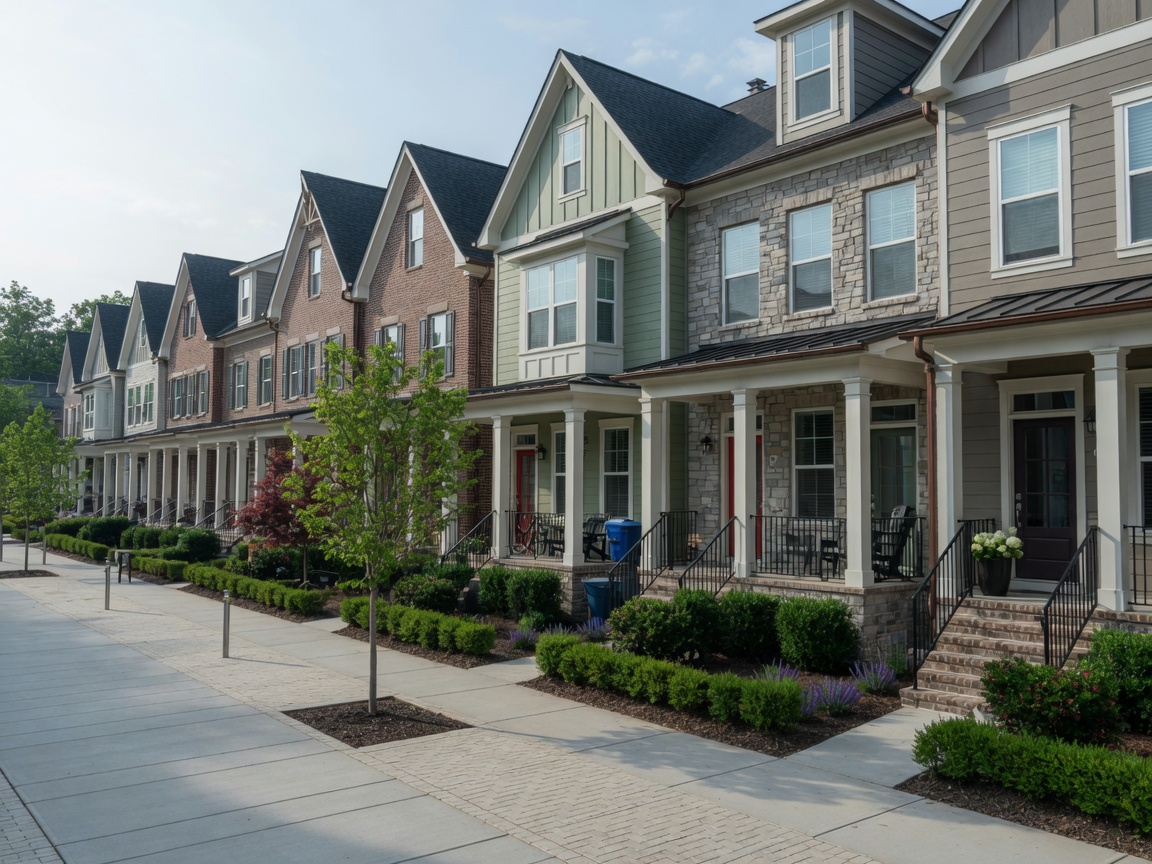
Front porches, not garage doors. One of the most visible New Urbanist features is the emphasis on front porches and stoops facing the street, with parking tucked behind or below. This simple design choice changes the entire feel of the neighborhood — instead of staring at garage doors, you see neighbors sitting on porches, kids playing, and people talking.
Mixed use. Glenwood Park isn't just residential. The neighborhood includes ground-floor retail and office space along its main corridors, creating a genuine live-work-shop environment. You can grab coffee, pick up dry cleaning, or visit a local business without leaving the neighborhood.
Green spaces and pocket parks. The community was designed with multiple small parks and green spaces woven throughout, rather than one large centralized park. These pocket parks create natural gathering spots and give every resident green space within a short walk.
The Housing: Townhomes, Single-Family Homes & Condos
Glenwood Park's housing stock is intentionally varied — a core New Urbanist principle that creates a diverse, mixed-income community rather than a homogeneous subdivision. Here's what you'll find:
Townhomes
The backbone of Glenwood Park's housing. These two- and three-story townhomes feature varied facades — brick, Hardie board, stone — with front porches, gabled roofs, and architectural details that give each block its own character. Interiors typically include open floor plans, modern kitchens, and attached rear-entry garages. Most townhomes range from 1,400 to 2,200 square feet with 2–3 bedrooms.
Single-Family Homes
A smaller but significant portion of Glenwood Park's inventory consists of detached single-family homes. These are larger than the townhomes — typically 2,000 to 3,200 square feet with 3–4 bedrooms — and feature the same New Urbanist design language: front porches, traditional architectural details, and rear-entry garages. They tend to sit on slightly larger lots and command a premium.
Condominiums
Glenwood Park also includes a condominium component — typically loft-style or flat-style units in mixed-use buildings. These offer the most affordable entry point into the neighborhood, with 1- to 2-bedroom units that appeal to young professionals and downsizers.
BeltLine Access & Green Spaces
One of Glenwood Park's biggest lifestyle advantages is its proximity to the Atlanta BeltLine. The Eastside Trail is accessible via Bill Kennedy Way SE — a short walk or bike ride from anywhere in the neighborhood. From there, you can head north to Ponce City Market and the Old Fourth Ward. And as of April 2026, the newly opened Southeast Trail runs directly south from the Krog Street Tunnel to Boulevard, putting Grant Park, Ormewood Park, and Chosewood Park on the same car-free path.
The connection to the BeltLine is a major quality-of-life factor. Residents can commute, exercise, or explore the city entirely on trails and sidewalks, and the neighborhood's position between the Eastside Trail and Glenwood Avenue gives it access to two distinct corridors of shops, restaurants, and services.
Within the neighborhood itself, Glenwood Park's pocket parks and green spaces provide everyday outdoor access. The community was designed so that every resident is within a few minutes' walk of a park or green space — a principle that makes daily life feel more connected to the outdoors.
The Neighborhood Green: Community Spaces
Glenwood Park's central green and community spaces are the heart of the neighborhood's social life. Unlike traditional subdivisions where community happens by accident, Glenwood Park was designed to encourage it — with intentional gathering spaces, sidewalks wide enough for conversation, and a scale that makes neighbors feel like neighbors.
The community regularly hosts neighborhood events — from holiday gatherings to informal meetups on the green — that give the neighborhood its village-like character. For many residents, this sense of community is the single biggest reason they chose Glenwood Park over other intown options.
Glenwood Park Avenue & Local Businesses
Glenwood Park's mixed-use design means residents don't have to leave the neighborhood for everyday needs. The local business district includes restaurants, a coffee shop, fitness studios, and professional services — all within walking distance of the residential streets.
Standouts include Vickery's Bar & Grill, a neighborhood go-to for casual dining and drinks; Emmy Squared Pizza, serving Detroit-style pizza on Bill Kennedy Way; and The Beverly, a cocktail bar with a curated spirit selection. For coffee, residents head to local spots along the corridor, and the nearby Glenwood Avenue shops and restaurants — including Banshee and Argosy — extend the dining options into the adjacent Glenwood corridor.
What Draws Buyers and Renters to Glenwood Park
Glenwood Park attracts a specific kind of buyer and renter — people who want walkability and community without sacrificing quality or access to the city. Here's what consistently draws people to the neighborhood:
Walkability. With a Walk Score of 86, Glenwood Park is one of the most walkable neighborhoods in southeast Atlanta. Residents can walk to restaurants, shops, the BeltLine, and nearby Grant Park without getting in a car.
Design quality. The homes in Glenwood Park are well-built and architecturally varied. Unlike many planned communities where every house looks the same, Glenwood Park's homes have individual character — different facades, varying heights, and details that make each block feel unique.
Community. The New Urbanist design fosters genuine neighborliness. Front porches, shared green spaces, and a walkable layout mean residents interact more naturally than in conventional subdivisions. For families and professionals seeking a sense of belonging, this is a major draw.
BeltLine proximity. The short connection to the Eastside Trail means Glenwood Park residents can access Ponce City Market, the Old Fourth Ward, and the broader BeltLine network in minutes — without the premium prices of living directly on the trail.
Value relative to comparable neighborhoods. Glenwood Park offers a quality of life that compares favorably to neighborhoods like Inman Park, Virginia-Highland, and Midtown — often at more accessible price points, particularly for townhomes and condos.
What's New in Glenwood Park
The BeltLine's Southeast Trail opened in April 2026, giving Glenwood Park a direct connection to the loop that runs right past the village. On the dining front, Trattoria Lucia, a cozy Italian spot from the team behind Vesper, opened in the former Pho Cue space in late 2025 and added weekend brunch in spring 2026. It's the newest reason to eat inside the village itself.
Tips for Getting to Know Glenwood Park
If you're considering a visit or a move, here's how to get the most out of Glenwood Park:
Walk the streets. The best way to experience Glenwood Park is on foot. Start on Bill Kennedy Way, walk through the residential streets, and take in the front porches, pocket parks, and varied architecture. Pay attention to how the street grid works — it's designed to feel natural and inviting.
Grab lunch at Vickery's or Emmy Squared. Both are within the neighborhood and give you a feel for the community's dining scene. Vickery's is the casual local hangout; Emmy Squared brings Detroit-style pizza to the table.
Connect to the BeltLine from here. Walk or bike from Glenwood Park to the Eastside Trail via Bill Kennedy Way. You'll get a sense of how the neighborhood connects to the broader BeltLine network and why that proximity matters.
Visit on a weekend morning. The neighborhood is quietest on weekday evenings but comes alive on weekend mornings — neighbors walking dogs, families at the green, people grabbing coffee. It's the best time to feel the community's pulse.
Explore the surrounding neighborhoods. Glenwood Park sits between Grant Park and Ormood Park, with East Atlanta Village just to the east. Walking the boundaries helps you understand how Glenwood Park connects to the broader intown Atlanta landscape.
Is Glenwood Park Right for You?
Glenwood Park works best for people who value walkability, design quality, and community over raw square footage and yard space. If you want a quarter-acre lot and a three-car garage, this isn't the neighborhood. But if you want to live in a place where the streets are designed for people, the homes are built with intention, and you can walk to dinner and the BeltLine from your front door — Glenwood Park is one of the best options in Atlanta.
The housing stock ranges from condos (typically $250K–$400K) to townhomes ($450K–$750K) to single-family homes ($700K–$1.1M+). There's real variety here, though the neighborhood's popularity means well-priced homes move quickly.
For more detail on housing styles, pricing, and the real estate market, check out our Glenwood Park Real Estate guide. And for a deeper dive into the dining and shopping scene, read our Glenwood Park dining guide.
About the Author

Tommy Williams
Tom Will Sell Atlanta · Intown Atlanta Expert
Tommy knows Glenwood Park and the surrounding Grant Park area block by block — from the townhomes on Bill Kennedy Way to the pocket parks and BeltLine connections. When he's not helping clients find their perfect home, he's exploring the neighborhood's newest restaurants and hidden gems.