
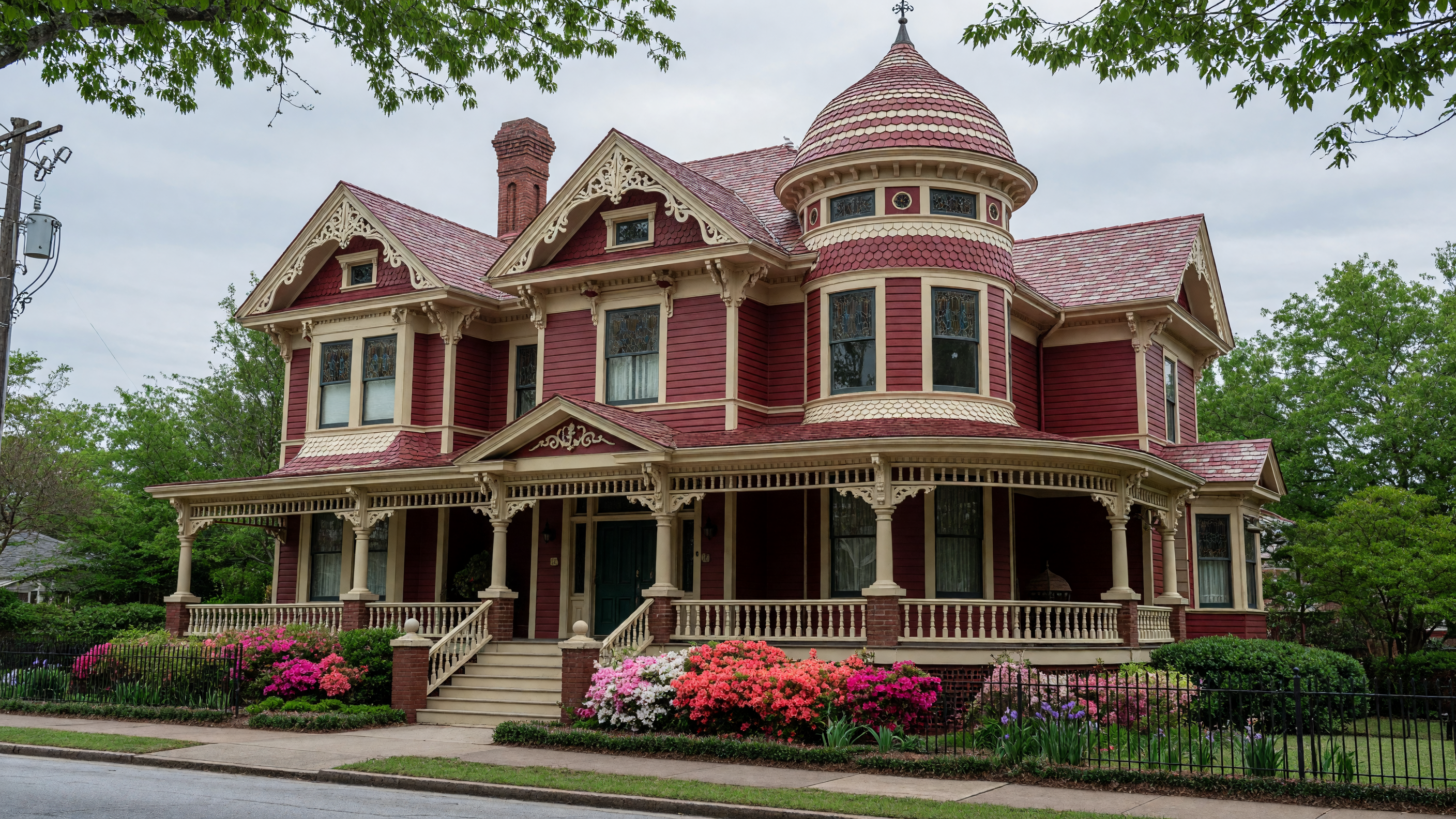
Inman Park wasn't just built — it was designed. In the 1890s, Atlanta had no suburbs, no streetcar lines reaching into the countryside, and no concept of residential planning as we know it today. That changed when Joel Hurt, a civil engineer with a vision, decided to build Atlanta's first streetcar suburb on a stretch of undeveloped land east of the city.
The result was Inman Park — a neighborhood that would shape Atlanta's idea of what a residential community could be, and one that remains, more than 130 years later, one of the most architecturally significant neighborhoods in the Southeast.
Joel Hurt and the Vision (1889–1900)
Joel Hurt was an Atlanta civil engineer and developer who had studied the streetcar suburbs being built in cities like Boston, Philadelphia, and St. Louis. He saw an opportunity to bring that model to Atlanta — a city that, in the late 1880s, was still rebuilding from the Civil War and growing rapidly thanks to the railroad.
In 1889, Hurt purchased a large tract of land east of Downtown Atlanta and began planning what he called Inman Park — named for Samuel Inman, a wealthy Atlanta cotton merchant and investor who provided much of the financing. Hurt's plan was radical for Atlanta: a residential neighborhood built around a dedicated streetcar line, with curving tree-lined streets, generous setbacks, and homes designed by the city's leading architects.
The Inman Park streetcar began operating in 1889, running along what is now DeKalb Avenue. It connected the new neighborhood to Downtown Atlanta in under 15 minutes — a commute that was remarkably fast for the era. The streetcar made Inman Park accessible to the city's professional class, who could live among trees and green space while still working in the urban core.
The Golden Age: Atlanta's Most Coveted Address
Through the 1890s and into the early 1900s, Inman Park became Atlanta's most desirable residential address. Hurt recruited architects to design homes in a stunning variety of styles — Queen Anne Victorian, Romanesque Revival, Neoclassical, and Arts & Crafts. The result was a neighborhood with an extraordinary range of architectural beauty.
The grandest homes were built along Euclid Avenue and Cleburne Avenue — sprawling Victorian mansions with turrets, wraparound porches, stained glass transoms, and ornamental woodwork. These homes were built for Atlanta's business elite — bankers, merchants, railroad executives, and professionals who wanted a home that reflected their status.
But Inman Park wasn't exclusively wealthy. Hurt's plan also included more modest homes — smaller bungalows and cottages designed for middle-class families. This mix of scales and styles gave the neighborhood a texture and diversity that persists to this day.
The neighborhood also included innovative urban planning features for its era: a park-like median along Euclid Avenue, generous street trees, and a layout that prioritized aesthetics over grid efficiency. It was, in many ways, a precursor to the Garden City movement that would later influence suburban design across America.
Decline and Disinvestment (1940s–1970s)
Like many intown neighborhoods across America, Inman Park experienced decades of decline in the mid-20th century. Several forces converged to reshape the neighborhood:
Automobiles and suburban flight. As Atlanta's highway system expanded in the 1950s and 1960s, wealthy residents increasingly moved to newer suburbs in Buckhead, Dunwoody, and Marietta. The streetcar that had made Inman Park possible was dismantled in 1949, removing the neighborhood's original transit connection.
Highway construction. The construction of Interstate 20 and Freedom Parkway cut through the area, physically severing parts of the neighborhood and creating barriers that would take decades to heal. Freedom Parkway, which was built on the planned route of an interstate that was never completed, left a swath of unused land that would eventually become Freedom Park.
Economic decline. As residents left, property values dropped. Many of Inman Park's grand Victorian homes were subdivided into apartments or left vacant. The neighborhood's elegant streets began to show the wear of neglect, and some of its most beautiful homes fell into disrepair.
By the 1970s, Inman Park was one of Atlanta's roughest neighborhoods — a far cry from its origins as the city's most exclusive address. But that decade would also mark the beginning of its turnaround.
Preservation and the Festival of Homes
The preservation movement in Inman Park began in the 1970s, when a group of residents — many of them young professionals and preservationists who saw value in the neighborhood's historic architecture — began advocating for the area's protection.
In 1971, the Inman Park Neighborhood Association was founded, and residents organized the first Inman Park Festival and Tour of Homes. The festival was designed to showcase the neighborhood's architectural heritage, raise funds for preservation, and build community pride. It was an immediate success — and it's been held nearly every year since.
The Tour of Homes became the centerpiece of the festival, giving visitors the chance to step inside private residences that showcased both historic restorations and thoughtful renovations. It helped establish the idea that Inman Park's old homes weren't liabilities — they were assets worth preserving and investing in.
The festival also helped shift public perception of the neighborhood. By drawing thousands of visitors each spring, it demonstrated that Inman Park had something that new suburbs couldn't replicate: history, character, and a genuine sense of place.
Revival and Rebirth (1990s–Present)
The restoration of Inman Park accelerated in the 1990s and 2000s, driven by several converging factors:
The BeltLine. When the Atlanta BeltLine's Eastside Trail opened along Inman Park's western edge, it was a transformational moment. The trail brought foot traffic, visibility, and a new connection to the rest of the city. Properties near the trail saw immediate appreciation, and the neighborhood's already-strong case for walkability became even more compelling.
New restaurants and businesses. The opening of restaurants along North Highland Avenue — Fritti, Wisteria, Barcelona Wine Bar, and others — turned Inman Park into a dining destination. The restaurant corridor gave the neighborhood an energy and a nightlife scene that attracted younger residents and visitors.
Freedom Park. The development of Freedom Park on the former Freedom Parkway corridor gave Inman Park a world-class green space — 200+ acres of trails, public art, and open land that connected the neighborhood to the Carter Center and other intown communities.
Gentrification and demographic change. Like many intown Atlanta neighborhoods, Inman Park has undergone significant demographic change. The neighborhood, which was predominantly working-class and diverse through the mid-20th century, has become increasingly affluent and white. This change has brought investment and improvement but also displacement and tension — a reality that the community continues to navigate.
Inman Park Today
Today, Inman Park is one of Atlanta's most sought-after neighborhoods. The Victorian mansions have been restored, the Craftsman bungalows are lovingly maintained, and new construction fills in the gaps with homes that respect the neighborhood's scale and character.
The neighborhood has a Walk Score of 87, multiple entry points to the BeltLine, direct access to Freedom Park, and a dining corridor that rivals neighborhoods three times its size. It's a place where the past and present coexist in ways that feel authentic rather than forced.
The annual Festival and Tour of Homes continues to draw thousands, and the neighborhood association remains one of the most active in the city. Inman Park isn't just a beautiful place to live — it's a community that has fought to preserve what makes it special, and won.
About the Author
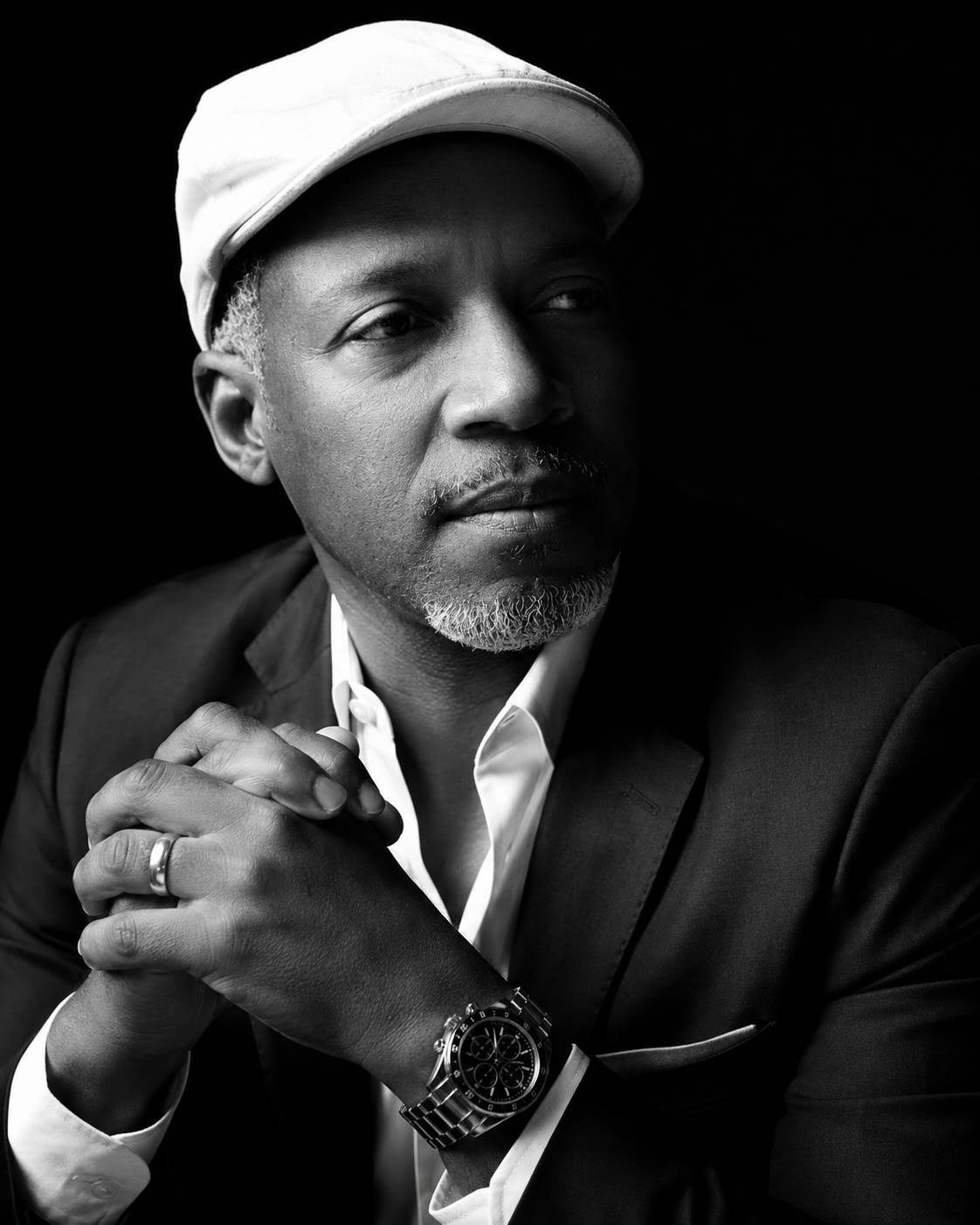
Tommy Williams
Tom Will Sell Atlanta · Intown Atlanta Expert
Tommy has helped clients buy and sell homes in Inman Park for years. He understands the neighborhood's history, its architecture, and what makes it one of Atlanta's most special places to live.