
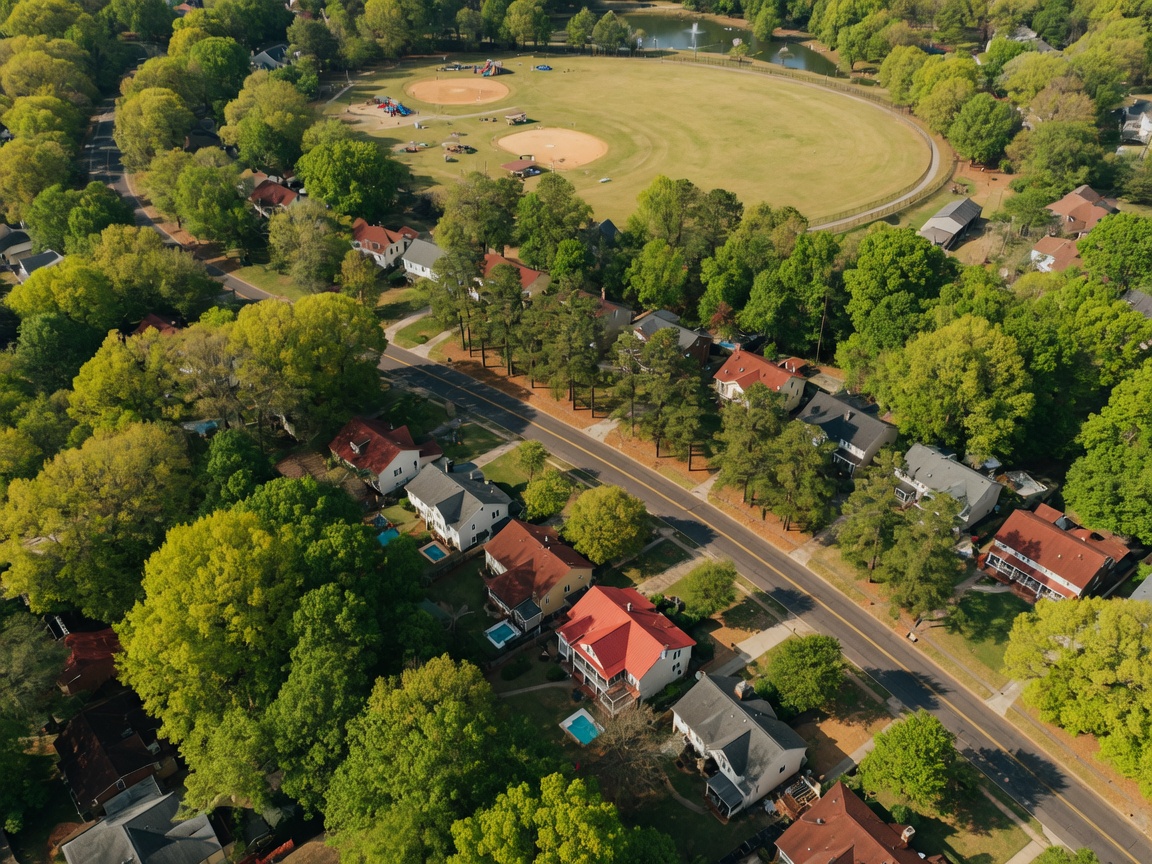
Ormewood Park offers some of the best value in intown Atlanta real estate. With a mix of Craftsman bungalows, Victorian cottages, mid-century ranches, and selective new construction — all in a tree-canopied, residential neighborhood with genuine community feel — it's an area that delivers character, livability, and relative affordability compared to more hyped intown neighborhoods.
The real estate market here is steady but less frenzied than BeltLine-adjacent or Old Fourth Ward areas. Homes sell, but they don't always sell overnight — which means buyers have a window, and the process feels more human. Here's what you need to know about homes, prices, and the process of buying or renting in Ormewood Park.
Housing Styles: What You'll Find
Ormewood Park's housing stock spans more than a century of Atlanta residential architecture. Here's the breakdown:
Craftsman Bungalows
The dominant home type in the neighborhood. Built primarily between 1910 and 1940, these one-story frame houses feature front porches with tapered or simple wood columns, gabled roofs, exposed rafter tails, and the handmade character that defines Atlanta's older residential neighborhoods. Most are two to three bedrooms, typically 1,000 to 1,800 square feet, on lots shaded by mature trees.
Many Ormewood Park bungalows have been renovated — updated kitchens and bathrooms, new HVAC systems, modern electrical — while preserving the details that make them special: original hardwood floors, built-in cabinetry, beadboard, transom windows, and wide front porches built for sitting.
Price range: Renovated Craftsman bungalows typically sell for $325,000–$500,000, depending on condition, size, and exact location. Larger or fully restored properties can command more, while homes needing work may start lower.
Victorian and Folk Victorian Cottages
Scattered throughout the neighborhood, these late 19th-century and early 20th-century homes feature decorative trim, steeply pitched roofs, wraparound porches, and the kind of handcrafted details that new construction rarely replicates. They're smaller than the grand Victorians in Inman Park or Grant Park but full of personality.
Victorian cottages are less common than bungalows in Ormewood Park and tend to command a premium when they appear on the market, particularly when well-maintained or sensitively restored.
Price range: $375,000–$600,000 for most properties, with exceptional examples exceeding that range.
Mid-Century Ranches
Post-war ranches from the 1940s and 1950s are scattered throughout Ormewood Park. These homes offer lower profiles, wider footprints, larger lots, and the open floor plans that came with mid-century design sensibilities. They're popular with buyers who want more space and a more modern layout while maintaining the neighborhood's residential character.
Price range: $300,000–$475,000, depending on size, updates, and lot.
New Construction
Select new single-family homes and townhomes have appeared in and around Ormewood Park on infill lots. These modern homes offer contemporary finishes, open floor plans, and energy efficiency at higher price points, built to blend into the neighborhood's residential scale.
Price range: New construction single-family homes typically start around $500,000 and can exceed $700,000 for larger or custom-built properties.
Market Overview: 2025–2026
Ormewood Park's real estate market is characterized by steady demand, moderate inventory, and prices that offer genuine value relative to more well-known intown neighborhoods. Here are the key numbers:
Median sale price: Approximately $550,000–$600,000 across all home types, with significant variation by size, condition, and exact location. The market has stepped up meaningfully in the past 18 months: the 12-month median through fall 2026 sits near $600,000, though monthly figures swing from the mid-$500,000s to the low $600,000s on a small sales sample. The completed Southside BeltLine connection has made Ormewood Park fully linked to the trail network.
Price range: From roughly $400,000 for smaller homes or condos to over $800,000 for premium renovated properties or new construction.
Days on market: Well-priced homes in Ormewood Park typically sell within 30–60 days. Updated bungalows in prime locations move faster, while homes needing work may take longer.
Inventory: More available than in Cabbagetown or Inman Park, but still limited compared to suburban Atlanta. The neighborhood's smaller footprint means fewer homes are on the market at any given time, which helps maintain values.
Walk Score: Approximately 63 out of 100. The neighborhood is somewhat walkable — you can walk to the park, the dog park, and nearby streets, but most errands require a car or bike. The Southside BeltLine trail provides walkable/bikeable access to broader connections.
What Buyers Should Know
Buying in Ormewood Park requires some specific awareness. Here's what to keep in mind:
Homes Are Historic — Get a Thorough Inspection
Most Ormewood Park homes are 60 to 110 years old. That means character — and potential issues. Before buying, get a thorough home inspection. Pay attention to the roof, plumbing (older homes may have original pipes), electrical systems, foundation, and any signs of moisture or settling. Many homes have been renovated, but the quality of renovations varies widely. Ask about the age and condition of major systems — HVAC, water heater, electrical panel — and whether any work was done without permits.
The Neighborhood Is Residential — Plan Accordingly
Ormewood Park doesn't have a commercial district. The nearest restaurants, coffee shops, and grocery stores are outside the neighborhood boundaries — primarily in East Atlanta Village to the north, Glenwood Park, or Grant Park. Factor this into your daily routine. For some buyers, the absence of commercial activity is a feature; for others, it's a trade-off worth considering.
Parking Is Generally Easy
Unlike denser intown neighborhoods, Ormewood Park's residential streets typically offer street parking without much competition. Most homes also have driveways or carports. This is one of the neighborhood's practical advantages over more congested areas.
Know Your Micro-Location
Even within Ormewood Park, location matters. Homes closest to the BeltLine trail access points may command a slight premium. Homes on streets with the densest tree canopy tend to feel the most characterful. And homes closer to East Atlanta Village offer slightly easier access to restaurants and nightlife. Spend time in the neighborhood at different times of day to understand the feel of specific streets and blocks.
Renovations May Need Permits
While Ormewood Park is not a designated historic district, some exterior modifications or additions may require permits or be subject to neighborhood association guidelines. If you plan to renovate, add on, or make significant changes, check with the City of Atlanta and the Ormewood Park Neighborhood Association before starting work.
What Renters Should Know
Renting in Ormewood Park is a less common option than buying — the neighborhood has fewer apartment complexes and rental units than denser intown areas. When rentals do appear, they're typically in converted houses, small apartment buildings, or ADUs (accessory dwelling units).
The limited rental inventory means that good rentals move quickly. If you find a place you like, be prepared to apply immediately. Having your documents ready — proof of income, references, credit report — gives you a significant advantage.
Rental range: One-bedroom rentals (when available) typically start around $1,400–$1,700/month. Two-bedrooms range from $1,800–$2,400/month. Whole-house rentals, when they appear, can range from $2,200–$3,200/month depending on size and condition.
Tip: If you're new to Atlanta, renting in Ormewood Park or nearby East Atlanta for a year before buying gives you time to learn the neighborhood, understand the market, and decide if the residential character and walk-to-everything trade-off works for your lifestyle.
Ormewood Park vs. Neighboring Areas
How does Ormewood Park compare to the neighborhoods around it?
East Atlanta Village (to the north) offers more commercial activity — restaurants, bars, live music, the farmers market — with similar housing styles (Craftsman bungalows, Victorian cottages). EAV has more walkability and more energy but at slightly higher price points and with more congestion. Ormewood Park is the quieter, more residential complement.
Grant Park (to the west) features larger Victorian and Craftsman homes on bigger lots, Atlanta's oldest city park, and the Zoo. Grant Park has a more established commercial district and slightly higher price points, with a different community feel that's more established and more visible.
Glenwood Park (to the north) is Atlanta's premier New Urbanist planned community — walkable streets, townhomes, and single-family homes with a village-like atmosphere. Glenwood Park offers more walkability and more modern construction but at higher price points and with a planned-community feel that differs from Ormewood Park's organic, evolved character.
Boulevard Heights (to the south) is a similar residential neighborhood with comparable housing styles and pricing. Boulevard Heights shares Ormewood Park's quiet character but has less name recognition and fewer nearby amenities.
Old Fourth Ward (to the northwest) is one of Atlanta's most dynamic and expensive neighborhoods, with the BeltLine, Ponce City Market, and a rapidly evolving dining and retail scene. O4W offers more energy, more options, and significantly higher price points.
For buyers who want a quiet, tree-lined residential neighborhood with genuine character, solid housing stock, and intown access without the premium pricing, Ormewood Park remains one of Atlanta's best-kept secrets.
Tips for Buying or Renting in Ormewood Park
Work with a local agent. Ormewood Park's smaller market means that some of the best opportunities may not appear on the major listing sites. An agent who knows the neighborhood — who knows which homes might be coming on the market, which streets have the most character, and which blocks offer the best value — is essential.
Get a thorough inspection. This can't be overstated. Older homes have older systems, and the quality of past renovations varies. A good inspection is your best protection against unexpected costs.
Think about your lifestyle. Ormewood Park works best for people who value quiet, community, and residential character over walkability to shops and restaurants. If you want a neighborhood where you know your neighbors, where the tree canopy is your skyline, and where the pace is slow and steady, Ormewood Park is hard to beat. If you need a coffee shop within walking distance, consider East Atlanta Village or Glenwood Park instead.
Visit at different times. Drive through on a weekday morning, a Saturday afternoon, and an evening. The neighborhood has a consistent, calm character at all hours — but experiencing it at different times will help you confirm it's the right fit.
Consider the long game. Ormewood Park's value has appreciated steadily over the past decade, driven by its proximity to East Atlanta Village, the BeltLine, and the broader intown market. As Atlanta continues to grow and intown neighborhoods become more sought-after, Ormewood Park's combination of character, community, and relative affordability positions it well for continued appreciation.
Engage with the community early. Attend a neighborhood association meeting, visit the dog park, or introduce yourself to a neighbor. Ormewood Park's community is one of its greatest assets — getting to know it before you buy helps ensure the neighborhood is the right fit, not just the house.
About the Author

Tommy Williams
Tom Will Sell Atlanta · Intown Atlanta Expert
Tommy has helped clients navigate the Ormewood Park and surrounding neighborhoods market for years. With deep knowledge of the area's homes, history, and community, he can help you find the right property — whether you're buying, selling, or just exploring your options.