
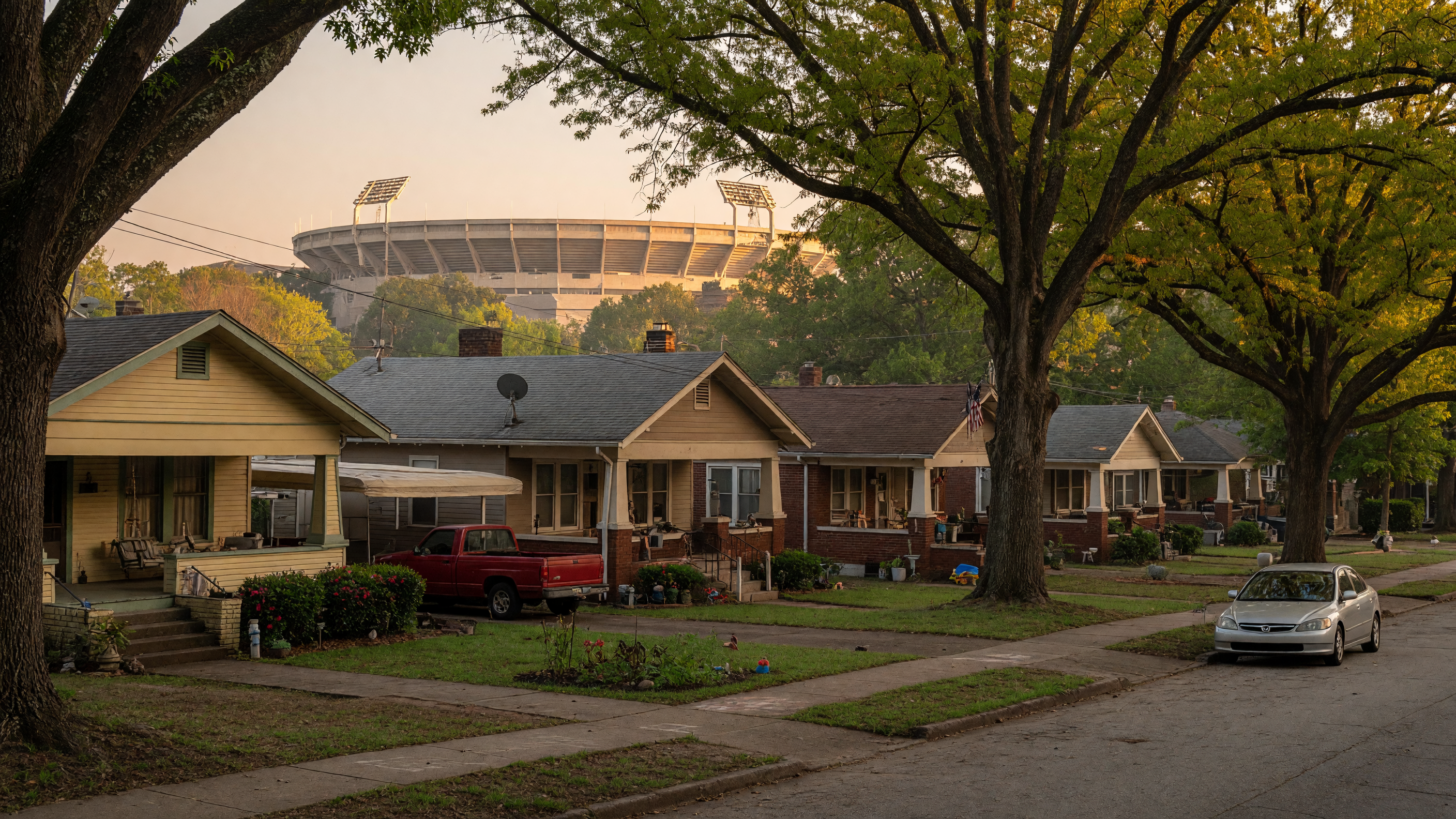
Peoplestown offers some of the most accessible intown real estate in Atlanta. With a median sale price around $412,000 as of late 2025, the neighborhood is significantly more affordable than BeltLine-adjacent areas like Old Fourth Ward, Inman Park, or Reynoldstown — while offering comparable proximity to downtown, trail access, and community character. For buyers who want intown living without intown prices, Peoplestown is one of the strongest options in the city.
The real estate market here reflects the neighborhood's transitional character: it's active, attracting interest from both buyers and developers, but still developing. Understanding the housing stock, the price landscape, and the forces shaping the market is essential for anyone considering Peoplestown.
Housing Styles: What You'll Find
Peoplestown's housing stock spans more than a century, shaped by the neighborhood's growth, its mid-century disruption through urban renewal, and the new construction that is reshaping its streetscape today.
Victorian Cottages
The oldest homes in Peoplestown, dating to the 1880s and 1890s, are modest Victorian cottages. Typically two bedrooms, one bath, around 800 to 1,100 square feet, these homes feature steeply pitched roofs, decorative trim, and the kind of character that comes with more than 130 years of history. Many were lost during the urban renewal demolitions of the 1950s, but the surviving examples are prized for their authenticity.
Victorian cottages are uncommon in Peoplestown and command a premium when they appear on the market, particularly when they've been sensitively maintained or restored.
Price range: $350,000–$500,000 for most properties, with well-restored examples commanding more.
Craftsman Bungalows
The most common home type in Peoplestown. Built primarily between 1910 and 1940, these one-story frame houses feature front porches, gabled roofs, and the warm, handmade character that defines Atlanta's older neighborhoods. Most are two bedrooms, 800 to 1,400 square feet, on modest lots with mature trees.
Many Peoplestown bungalows have been renovated with updated kitchens and bathrooms while preserving original details like hardwood floors, built-in cabinetry, and transom windows. Others remain in original condition — offering opportunities for buyers willing to invest in a renovation.
Price range: Renovated Craftsman bungalows typically sell for $300,000–$450,000, depending on condition, size, and exact location. Properties needing work can be found at lower price points.
Post-War Ranches
Scattered throughout the neighborhood are ranch-style homes from the 1940s and 1950s — lower profiles, wider footprints, and larger lots than the earlier bungalows. These homes offer a different aesthetic and often more interior space, with floor plans that suit modern living more naturally than the smaller early-century homes.
Price range: $280,000–$425,000, depending on size, updates, and lot.
New Construction & Infill
The most visible change in Peoplestown is the arrival of new townhomes and single-family construction. Modern infill projects, particularly along the BeltLine corridor and near the Turner Field site, offer contemporary finishes, open floor plans, and energy efficiency at higher price points than the historic housing stock.
These homes are reshaping the neighborhood's visual identity and its price ceiling. Buyers attracted to new construction but priced out of Old Fourth Ward or Inman Park are finding Peoplestown a compelling alternative.
Price range: Modern townhomes start around $400,000; single-family new construction typically starts around $450,000 and can exceed $700,000 for larger or custom-built properties.
Apartment Communities & Rentals
Peoplestown has several apartment buildings and complexes serving the rental market, from older garden-style communities to newer developments influenced by BeltLine access and the GSU campus. The rental market has become more active as the neighborhood attracts new residents.
Rental range: One-bedrooms from approximately $1,400/month; two-bedrooms from $1,800–$2,400/month; three-bedrooms from $2,200–$3,000/month. The average monthly rent in the area is lower than most intown neighborhoods, though prices are trending upward.
Market Overview: 2025–2026
Peoplestown's real estate market is characterized by growing interest, moderate inventory, and prices that reflect the neighborhood's transitional status — rising but still significantly below BeltLine-adjacent and north-side intown areas.
Median sale price: Approximately $412,000, holding steady through fall 2026 — a modest year-over-year adjustment that reflects broader market cooling rather than a decline in neighborhood appeal. With the Southside Trail now open and Switchman Hall bringing dining and a farmers market to the neighborhood, buyer interest continues to build.
Price range: From roughly $250,000 for smaller homes or properties needing work to over $1,000,000 for premium new construction.
Days on market: Well-priced homes in Peoplestown tend to sell within 30–60 days. Updated bungalows in good locations move faster; properties needing renovation may take longer.
Inventory: More available than in some intown neighborhoods, but still limited compared to suburban Atlanta. The mix of historic homes, new construction, and apartments gives buyers more options than they might expect.
Walk Score: 59 out of 100, making Peoplestown "somewhat walkable" — some errands can be completed on foot, with the highest walkability around the Capitol Avenue corridor and BeltLine trail access.
What Buyers Should Know
The Neighborhood Is in Transition
Peoplestown is simultaneously one of Atlanta's most affordable intown neighborhoods and one of its fastest-changing. The GSU campus development, the BeltLine Southeast Trail, and new construction are all driving increased interest and rising prices. For buyers, this creates both opportunity and risk: property values are likely to appreciate, but the neighborhood's character may shift in ways that are hard to predict.
Homes Are Historic
Most Peoplestown homes are 60 to 140 years old. That means character — but also potential issues. Before buying, get a thorough inspection. Pay attention to the roof, plumbing, electrical, foundation, and any signs of moisture or settling. The quality of past renovations varies widely, so ask about the age and condition of major systems.
Community Engagement Matters
Peoplestown has one of the most active neighborhood associations in Atlanta. Understanding the PNA's work — and participating in it — is an important part of living in the neighborhood. The association's advocacy has shaped development, infrastructure, and policy for decades, and its role will only grow as the neighborhood evolves.
Think About the Whole Picture
Peoplestown's value isn't just in the house — it's in the location, the community, and the trajectory. The walk to the BeltLine on a Saturday morning, the coffee at Peoples Town Coffee Bar, the proximity to downtown, the neighborhood association meetings where residents shape the future. That's what you're buying when you buy in Peoplestown.
What Renters Should Know
Renting in Peoplestown is an increasingly popular option, particularly for young professionals and students drawn by BeltLine access and proximity to the GSU campus. The rental market includes apartment complexes, converted houses, and new developments.
The rental market moves quickly in areas near the BeltLine and Turner Field site. If you find a place you like, be prepared to apply immediately. Having your documents ready — proof of income, references, credit report — gives you a significant advantage.
Tip: If you're new to Atlanta, renting in Peoplestown for a year before buying gives you time to learn the neighborhood, understand the market, and watch how the GSU campus development unfolds.
Peoplestown vs. Neighboring Areas
Grant Park (to the west) has larger Victorian and Craftsman homes on bigger lots, with a more established commercial district and higher price points. Grant Park offers the Atlanta Zoo and more green space, but at a premium over Peoplestown.
Reynoldstown (to the north) offers similar housing styles — bungalows and shotgun houses — with BeltLine access and proximity to Ponce City Market. Reynoldstown is more connected to the BeltLine corridor and has seen more new construction, which means more inventory but higher prices.
Sweet Auburn / Downtown (to the north) is a denser, more urban area with higher-rise housing and immediate downtown access. It offers a different lifestyle than Peoplestown's residential, neighborhood-oriented character.
South Atlanta / Capitol View (to the south and west) offers similar price points and a mix of historic and newer housing, but with less BeltLine access and a more suburban feel.
For buyers who want an intown neighborhood with genuine history, community activism, accessible pricing, and proximity to both the BeltLine and downtown, Peoplestown remains one of the best values in Atlanta.
Tips for Buying or Renting in Peoplestown
Work with a local agent. Peoplestown is a neighborhood where relationships and local knowledge matter. An agent who knows the area — which blocks are up-and-coming, which homes might be coming on the market, which streets have the best character — is invaluable.
Get a thorough inspection. Historic homes need careful evaluation. Don't skip this step, no matter how charming the house looks. Pay special attention to the foundation, roof, plumbing, and electrical systems.
Consider the GSU development. The former Turner Field site is being transformed. Properties near the campus development may appreciate significantly, but they may also experience construction disruption and changing neighborhood dynamics.
Visit before you decide. Walk through the neighborhood on a Saturday afternoon. Grab a coffee at Peoples Town Coffee Bar, walk the BeltLine Southeast Trail, visit D.H. Stanton Park. Talk to residents. Peoplestown has a personality that reveals itself slowly — give it the time it deserves.
About the Author
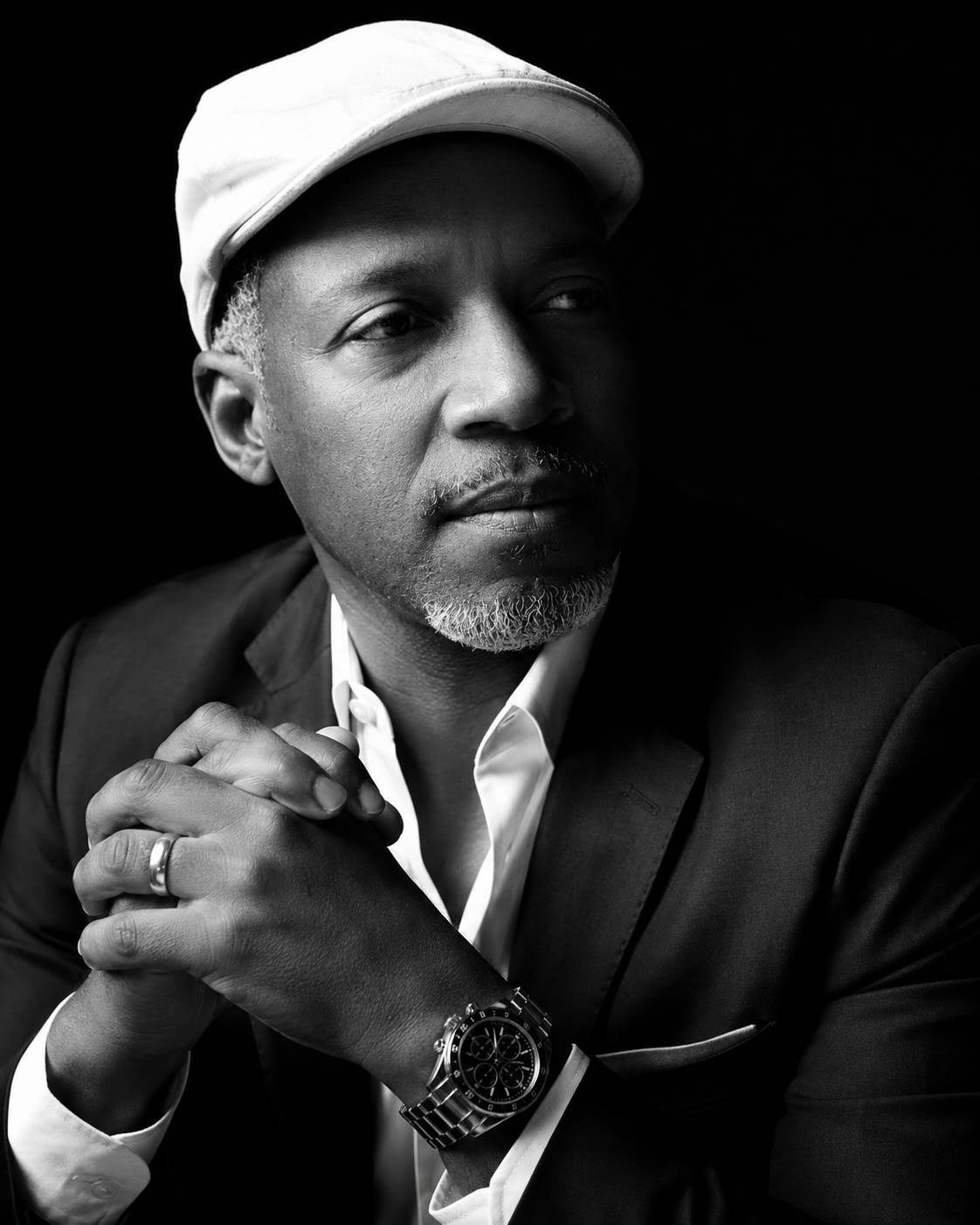
Tommy Williams
Tom Will Sell Atlanta · Intown Atlanta Expert
Tommy has helped clients navigate the Peoplestown market for years. With deep knowledge of the neighborhood's homes, history, and community, he can help you find the right property — whether you're buying, selling, or just exploring your options.