Reynoldstown doesn't shout for attention the way some intown neighborhoods do. It doesn't have a flashy food hall or a Victorian mansion tour. What it has is something harder to manufacture: authenticity. This is one of Atlanta's oldest African American communities, founded in 1870 by formerly enslaved people who built their lives around the railroads. That history is still visible in the streetscape, still shaping the community's identity, and still drawing people who want to live somewhere with real roots.
Today, Reynoldstown is a neighborhood in transition — but the good kind. The BeltLine's Eastside Trail runs along its western edge, bringing foot traffic and new energy. Creative professionals, young families, and longtime residents coexist on the same blocks. The housing stock ranges from 120-year-old bungalows to sleek new townhomes. And the vibe remains stubbornly, refreshingly local.
Where Is Reynoldstown?
Reynoldstown sits on Atlanta's near east side, bounded by DeKalb Avenue (and the old CSX rail line) to the north, Moreland Avenue to the east, Interstate 20 to the south, and Pearl Street to the west. The neighborhood is compact — roughly 10 blocks wide and a dozen blocks deep — but its location is exceptional.
You're a five-minute walk from the BeltLine Eastside Trail, a ten-minute bike ride from Ponce City Market, and a short drive from Decatur, East Atlanta, and Grant Park. The MARTA rail line runs just north of the neighborhood, with the Edgewood-Candler Park station nearby. For an intown neighborhood, Reynoldstown's connectivity is hard to beat.
The BeltLine Connection
The Atlanta BeltLine Eastside Trail is Reynoldstown's most significant amenity. The trail runs along the neighborhood's western border, with multiple access points that put you on the paved path within minutes of leaving your front door. Head north and you're in Old Fourth Ward and Ponce City Market in under a mile. Head south and you connect to Grant Park and the southside trail extensions.
The BeltLine has been the single biggest catalyst for Reynoldstown's recent growth. Properties near the trail have appreciated significantly, and the foot traffic has attracted new businesses and restaurants to the area. But unlike some BeltLine-adjacent neighborhoods, Reynoldstown has retained its character. The trail runs alongside the community rather than through its center, so the residential streets remain quiet and neighborly.
Housing Styles: What You'll Find
Reynoldstown's housing stock tells the story of the neighborhood's evolution:
Craftsman & Victorian Bungalows
The backbone of Reynoldstown's streetscape. These homes were mostly built between 1900 and 1940 for working-class families — railroad workers, domestic workers, and small business owners. They're smaller than the grand Victorians in Inman Park or the mansions in Ansley Park, but they have their own charm: front porches, wood floors, simple millwork, and yards that feel proportional to the house. Many have been lovingly restored; others are waiting for their next chapter.
Shotgun Houses
Reynoldstown has one of Atlanta's best collections of shotgun houses — narrow, one-story homes where rooms are arranged one behind the other without a hallway. These modest houses are a direct link to the neighborhood's African American heritage and the architectural traditions that settlers brought from the rural South. They're increasingly rare in Atlanta, and Reynoldstown's shotgun houses are a defining part of its identity.
Modern Townhomes & New Construction
In recent years, new construction has added contemporary townhomes and single-family homes to the mix. Developments like Reynoldstown Row offer modern floor plans, attached garages, and energy-efficient construction. New builds tend to cluster near the BeltLine, where land values support higher-density development. The aesthetic ranges from sleek modern to transitional designs that reference the neighborhood's bungalow heritage.
Multi-Family & Investment Properties
Because of its history as a working-class neighborhood, Reynoldstown has a meaningful inventory of duplexes, triplexes, and small apartment buildings. These properties attract investors and owner-occupants who want to live in one unit and rent the others. With the BeltLine driving demand, multi-family properties in Reynoldstown have become increasingly competitive.
The Creative & Community Vibe
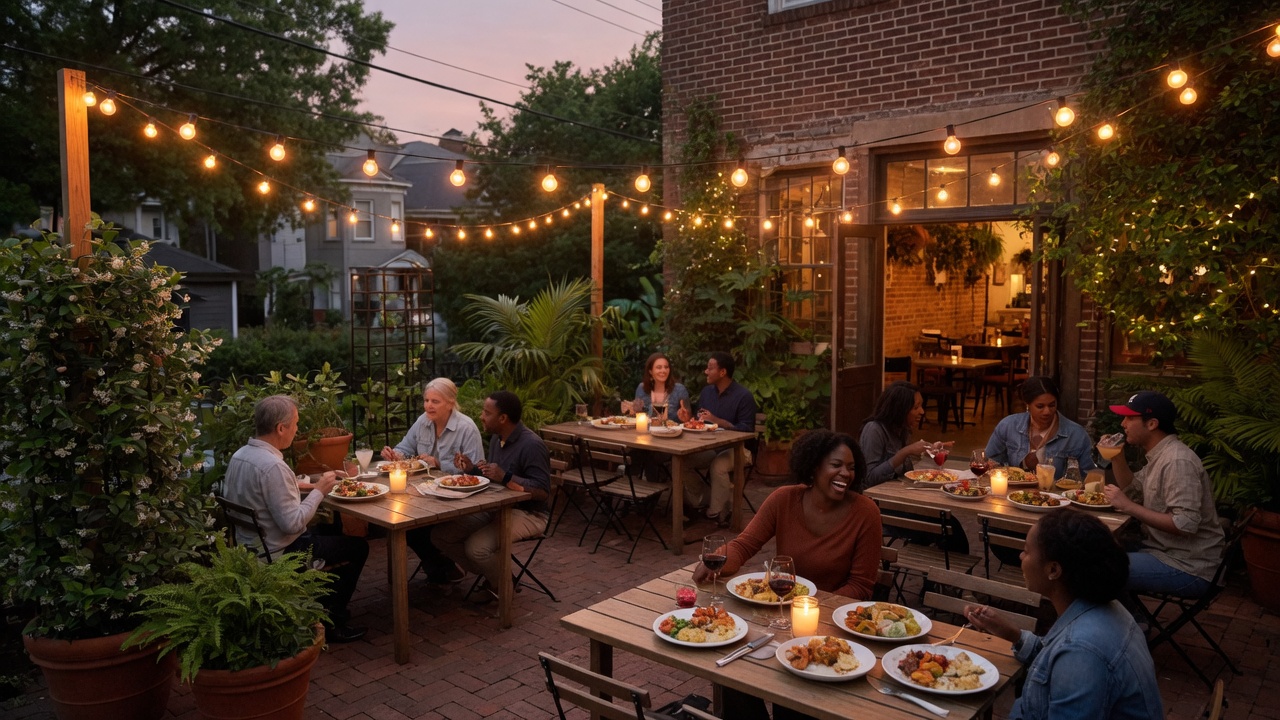
Walk through Reynoldstown on any given afternoon and you'll see what makes it different from more polished intown neighborhoods. Murals on retaining walls. Artists loading canvases into trucks. Neighbors chatting on front porches. Kids playing in Lang Carson Park. It's a neighborhood where people actually know each other — where the community association is active, the Wheelbarrow Festival is a genuine neighborhood tradition, and the sense of place runs deep.
The neighborhood has attracted a mix of creative professionals, musicians, small business owners, and young families who value character over polish. There's a DIY energy here — people fix up their own houses, start small businesses out of garages, and organize block parties without needing a developer's permission. It's the kind of place where authenticity isn't a marketing term; it's a lived reality.
Parks, Trails & Outdoor Life
Reynoldstown's outdoor amenities center on two anchors:
The BeltLine Eastside Trail is the obvious highlight — a paved, multi-use trail that connects you to miles of walking, running, and cycling paths. Access points at DeKalb Avenue and other cross streets put the trail within a few minutes of most homes in the neighborhood.
Lang Carson Park is Reynoldstown's community gathering space. It's a smaller, neighborhood-oriented park — not a destination like Piedmont Park — but it's where the Wheelbarrow Festival happens, where kids play soccer on weekends, and where neighbors walk their dogs. The park also includes a recreation center and playground.
Adjacent parks expand your options: Springvale Park sits just across the BeltLine in neighboring Edgewood, and the trail connects you directly to Inman Park's Freedom Park system and Old Fourth Ward's Historic Fourth Ward Park.
Dining & Local Spots
Reynoldstown itself is still building its dining scene, but you're surrounded by some of Atlanta's best food neighborhoods. Walk north on the BeltLine and you're at Ponce City Market in minutes. Head to nearby Edgewood Avenue for bars and restaurants. Cross Moreland into East Atlanta Village for a night out. And within the neighborhood, Home Grown on Memorial Drive remains the anchor: its owners bought the building in 2025 to keep it open, and it now hosts Wyld Bird, a pollo asado dinner spot, in the evenings. The big 2026 addition is Spina Pizza at Atlanta Dairies, the Neapolitan pizzeria five years in the making that finally opened in late August.
The proximity to Cabbagetown, Grant Park, and Kirkwood also means you're never far from a great meal — even if Reynoldstown's own commercial corridors are still developing.
Schools & Family Life
Reynoldstown is served by Atlanta Public Schools. The neighborhood falls in the attendance zone for several elementary, middle, and high schools — though many families also opt for nearby charter and private schools. The proximity to Georgia State University's perimeter campus and the Decatur school district (just east of Moreland Avenue) gives families additional educational options.
For families, Reynoldstown's appeal is the combination of affordable (by intown standards) housing, walkability, and access to parks and trails. The neighborhood feels safe and residential without being suburban. It's a place where kids can still ride bikes on the street.
What Makes Reynoldstown Special
If you're trying to decide between Reynoldstown and other intown neighborhoods, here's what sets it apart:
History you can feel. This isn't a neighborhood that was rebranded or reinvented. Reynoldstown has been a community for over 150 years, and that continuity matters. The streets, the homes, the community institutions — they all carry weight.
BeltLine access without BeltLine pricing. Compared to Old Fourth Ward or Inman Park, Reynoldstown still offers relative value for a BeltLine-adjacent neighborhood. That gap is narrowing, but for now, it's one of the more accessible ways to live on Atlanta's east side trail corridor.
A neighborhood that's still becoming. Reynoldstown isn't finished. New restaurants, new businesses, and new residents are arriving every year, but the pace is manageable. It doesn't feel overrun or overdeveloped. There's room to grow — and that's part of the appeal.
What's New in Reynoldstown
Reynoldstown is in the middle of its most visible stretch of new development in years. Spina Pizza, a Neapolitan pizzeria five years in the making, opened at Atlanta Dairies in late August 2026, giving the Memorial Drive district a proper sit-down anchor next to Small Fry. Casa Coya, a Peruvian steakhouse, opened at Madison Yards in December 2025 in the former Salt Factory space and has quickly become one of the east side's big nights out.
On the community calendar, the Reynoldstown Wheelbarrow Festival returned to Lang Carson Park on September 19, 2026. It's the neighborhood's annual celebration with music, food, and the famous wheelbarrow parade. And with the BeltLine's Southeast Trail now open through the neighborhood, the connection to Grant Park, Glenwood Park, and the rest of the loop is finally complete.
Tips for Getting to Know the Area
Walk the neighborhood, not just the trail. The BeltLine is great, but Reynoldstown's character lives on its residential streets. Walk Wylie, Chester, Selman, and Kenyon to see the full range of housing styles and get a feel for the blocks.
Visit on a weekend morning. Saturday mornings in Reynoldstown have a relaxed, community feel. Grab the Comfy Chicken Biscuit at Home Grown, walk to Lang Carson Park, and watch the neighborhood come alive.
Talk to residents. Reynoldstown is one of those neighborhoods where people are happy to tell you what they love about living here. Strike up a conversation at the coffee shop or on the BeltLine. You'll learn more in ten minutes of chatting than in an hour of online research.
Explore the edges. Reynoldstown's borders connect to some of Atlanta's most interesting neighborhoods: Cabbagetown to the north, Edgewood to the east, Grant Park to the south. Part of Reynoldstown's appeal is how easily you can wander into these adjacent communities for food, drinks, and entertainment.
Check the community calendar. The Reynoldstown Civic Improvement League and other local organizations host regular events — from the annual Wheelbarrow Festival to neighborhood cleanups and block parties. Attending one is the fastest way to understand what makes this community tick.
About the Author

Tommy Williams
Tom Will Sell Atlanta · Intown Atlanta Expert
Tommy knows Reynoldstown and Atlanta's east side neighborhoods inside and out. Whether you're exploring for the first time or ready to make a move, he can help you find the right fit.