Vine City is one of Atlanta's most historically significant neighborhoods — and one of its most promising. Located just west of downtown, Vine City sits at the intersection of civil rights history, modern sports culture, and a revitalization that is drawing new buyers, investors, and residents to a community that has shaped Atlanta's identity in ways that reach far beyond its borders.
This is the neighborhood where Martin Luther King Jr. bought a home on Sunset Avenue, where Julian Bond and Maynard Jackson lived, and where the Vine City Neighborhood Association has been advocating for residents for decades. It's also the neighborhood next door to Mercedes-Benz Stadium, the Westside BeltLine trail, and the Atlanta University Center — a combination of history, infrastructure, and momentum that makes Vine City one of Atlanta's most connected places to live.
What Makes Vine City Special
Vine City is not a neighborhood you stumble into by accident. It doesn't have the restaurant density of Inman Park, the nightlife of East Atlanta, or the skyline views of Midtown. What it has is something deeper: a sense of place rooted in history that you can feel when you walk the streets.
The neighborhood's position — immediately west of downtown Atlanta — gives it a proximity to the city center that few residential neighborhoods can match. Mercedes-Benz Stadium, home of the Atlanta Falcons and Atlanta United FC, sits at Vine City's eastern edge. The Georgia World Congress Center, State Farm Arena, and the CNN Center are all within a short walk. And the Westside BeltLine trail connects Vine City to the broader trail network that is reshaping how Atlanta moves.
But Vine City's significance goes far beyond geography. The Sunset Avenue corridor is one of the most important civil rights sites in the United States — a street where Black leaders lived, organized, and built the foundations of the movement that transformed the nation. Today, Vine City is experiencing a revitalization that honors that history while writing its next chapter.
Civil Rights Roots: Sunset Avenue and Beyond
Vine City's civil rights history is centered on Sunset Avenue, a residential street that became home to some of the most important figures in the American civil rights movement during the 1950s and 1960s.
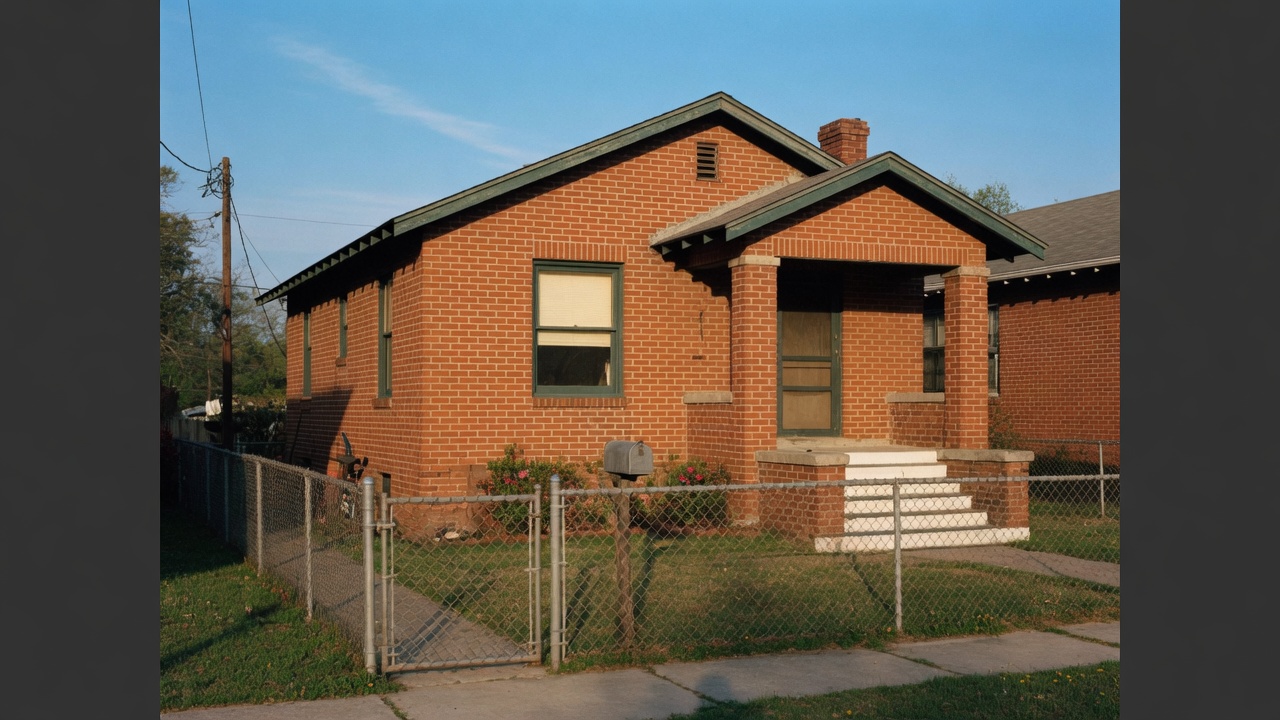
The most well-known is the Martin Luther King Jr. family home at 234 Sunset Avenue — a modest 1933 brick bungalow that Coretta Scott King purchased in 1964 and maintained as the family's Atlanta residence. The home is now part of the Martin Luther King Jr. National Historical Park, managed by the National Park Service, and stands as a physical reminder of the movement's roots in this neighborhood.
But the King family was not alone on Sunset Avenue. Civil rights leaders Julian Bond, co-founder of the Southern Christian Leadership Conference and later chairman of the NAACP, lived in the neighborhood. Maynard Jackson, who would become Atlanta's first Black mayor, was also a Vine City resident. The neighborhood was a gathering point for organizers, ministers, and activists who shaped the civil rights era.
The West Hunter Street Baptist Church, where Rev. Ralph David Abernathy served as pastor, was another anchor of Vine City's civil rights community. Abernathy was one of Martin Luther King Jr.'s closest associates, and the church was a center of organizing activity during the movement.
Vine City's civil rights history is not just a chapter in a textbook — it's woven into the fabric of the neighborhood. The homes, the churches, the street names, and the community organizations that still operate today carry that legacy forward.
Mercedes-Benz Stadium and the Sports District
One of Vine City's most defining modern features is its proximity to Mercedes-Benz Stadium, the 71,000-seat retractable-roof venue that opened in 2017 and is home to the Atlanta Falcons (NFL) and Atlanta United FC (MLS). The stadium sits at Vine City's eastern boundary, and on game days, the neighborhood is part of the energy that pulses through downtown Atlanta.
Beyond the stadium, the broader Georgia World Congress Center campus — which includes the stadium, State Farm Arena, and the congress center itself — creates an entertainment and events district that generates activity year-round. Concerts, conventions, soccer matches, football games, and major events keep the area vibrant.
For residents, the stadium district is both an amenity and an economic engine. The foot traffic, investment, and infrastructure improvements that accompany a major sports and events venue have contributed to Vine City's revitalization and made the neighborhood more visible to developers and buyers.
One neighborhood landmark is changing with the times. The Busy Bee Cafe, the soul food institution on Martin Luther King Jr. Drive that has anchored this corridor since 1947, now runs its Vine City dining room as takeout and catering while it expands elsewhere — a second, full-service location planned for Atlantic Station and a third announced at The Mitchell near Centennial Yards. The MLK Drive kitchen still serves the neighborhood, but the Busy Bee's next chapters are being written a few blocks away.
The Westside BeltLine Trail
The Westside BeltLine trail runs along Vine City's western edge, connecting the neighborhood to Atlanta's 22-mile BeltLine loop. The trail is one of the most significant pieces of infrastructure in the neighborhood — a car-free path for walking, running, and cycling that links Vine City to Westside Park, West End, and eventually the full BeltLine network.
For Vine City residents, the BeltLine provides more than recreation. It provides connectivity — a direct path to Westside Park (Atlanta's largest park at 280 acres), to the commercial and dining options along the Westside, and to the broader BeltLine trail system that connects Atlanta's most vibrant intown neighborhoods.
The areas around BeltLine access points have seen significant new development, including apartments, townhomes, and mixed-use projects that are filling in underutilized land and bringing new population density to the corridor.
The Vine City Neighborhood Association
The Vine City Neighborhood Association (VCNA) has been the backbone of community advocacy in the neighborhood for decades. The association has organized around housing preservation, public safety, infrastructure improvements, and equitable development — working to ensure that Vine City's revitalization benefits the residents who have been here all along.
The VCNA has been particularly active in advocating for responsible development as Vine City attracts new investment. The association works with city officials, developers, and community organizations to balance growth with preservation — ensuring that new construction respects the neighborhood's historic character and that existing residents have a voice in what Vine City becomes.
For buyers and residents, the VCNA is more than a civic organization — it's a sign of a neighborhood with active, engaged residents who care about Vine City's future. If you're considering moving to Vine City, attending a VCNA meeting is one of the best ways to understand the community.
Housing Styles and Architecture
Vine City's housing stock reflects its long history — a mix of early 20th-century homes, mid-century construction, and new development that tells the story of a neighborhood that has been continuously lived in for over a century.
Craftsman Bungalows
The most common historic housing type in Vine City is the Craftsman bungalow — modest, well-proportioned homes with front porches, gabled roofs, and the handcrafted details that define the style. Built primarily in the 1920s and 1930s, these homes were constructed for working-class and middle-class families, and many have been maintained or renovated over the decades.
Price range: Renovated Craftsman bungalows typically sell for $250,000–$450,000, depending on size, condition, and location within the neighborhood.
Victorian-Era and Folk Homes
Scattered throughout Vine City are older Folk Victorian and frame houses — simpler structures with gabled fronts, wood siding, and the unpretentious character of working-class homes from the early 1900s. Many of these homes have been renovated, and some have been updated with modern systems while preserving their exterior character.
Price range: Renovated Victorian-era and Folk homes typically sell for $200,000–$400,000.
New Construction and Modern Townhomes
Vine City has seen significant new construction in recent years, particularly near the BeltLine corridor and along major streets. Modern townhomes, duplexes, and single-family homes are being built on infill lots and as part of larger developments, offering contemporary design at price points that reflect the neighborhood's proximity to downtown and the stadium.
New construction tends to cluster near the Westside BeltLine trail and along the corridors between the neighborhood and Mercedes-Benz Stadium, where developer interest has been strongest.
Price range: New construction townhomes typically start around $350,000 and can exceed $650,000 for larger single-family homes.
Revitalization and Growing Interest
Vine City is in the middle of a revitalization that has accelerated in the past five years. The combination of Mercedes-Benz Stadium, the Westside BeltLine trail, Westside Park, and the broader investment flowing into Atlanta's west side has brought new attention to a neighborhood that was long overlooked.
Developers have taken notice. New residential projects — townhomes, apartments, and mixed-use developments — are transforming underutilized land into housing that attracts young professionals, families, and investors. The proximity to downtown Atlanta, the Georgia World Congress Center campus, and the BeltLine makes Vine City one of the most strategically located neighborhoods in the city.
But revitalization in Vine City, like in other historically Black neighborhoods in Atlanta, raises important questions about equity and displacement. Long-time residents and community organizations like the VCNA are working to ensure that growth benefits everyone — not just newcomers. For buyers and investors, understanding this dynamic is essential to being a good neighbor in Vine City.
What Buyers and Renters Should Know
Vine City is attracting a growing number of buyers who recognize what it offers — but there are practical considerations that every buyer and renter should understand.
Location Is the Headline
Vine City's proximity to downtown Atlanta, Mercedes-Benz Stadium, the Georgia World Congress Center, and the Westside BeltLine trail is its strongest selling point. You are minutes from the city center, the MARTA GWCC/CNN Center station is nearby, and the BeltLine provides car-free access to Westside Park and beyond. For commuters, event-goers, and anyone who values connectivity, Vine City's location is hard to beat.
The Market Is Moving
Vine City's real estate market is one of Atlanta's most dynamic. Prices are lower than comparable intown neighborhoods on the east side, but they are rising as more buyers discover the area. Well-priced homes — particularly renovated bungalows near the BeltLine or on historically significant streets — tend to sell quickly. If you find a property that fits your needs, be ready to act.
Historic Homes Need Care
Many Vine City homes are 80 to 100 years old. That means character — but also potential issues. Before buying, get a thorough inspection. Pay attention to the roof, plumbing, electrical, and foundation. Ask about the age and condition of major systems. The quality of renovations varies, so do your homework.
Community Matters Here
Vine City is a neighborhood where community engagement is real and visible. The Vine City Neighborhood Association, the churches, and the civic organizations that have operated here for decades are active and welcoming. Getting involved — attending meetings, volunteering, introducing yourself to neighbors — is the fastest way to understand what makes Vine City special.
What's New in Vine City
The neighborhood around Vine City keeps building momentum. Busy Bee Cafe, the historic soul-food institution on the neighborhood's edge along Martin Luther King Jr. Drive, remains open and thriving. It was even announced in early 2026 as signing a lease for a third location at Centennial Yards downtown, a sign of how far the west side's reputation has come. The Westside BeltLine Trail and the completed Southwest Trail connect Vine City to the rest of the loop, and development around Mercedes-Benz Stadium and English Avenue continues to add housing and retail.
Tips for Getting to Know Vine City
Walk Sunset Avenue. This is the heart of Vine City's civil rights history. The King family home, the historic churches, and the residential streets tell a story that matters. Visit the Martin Luther King Jr. National Historical Park for context.
Explore the Westside BeltLine trail. Walk or bike the trail to get a sense of Vine City's geography, its connection to Westside Park, and the development happening along the corridor.
Visit on a game day — and on a quiet day. Vine City has two personalities: the high-energy neighborhood it becomes during Falcons, United FC, or concert events, and the quieter residential community it is on ordinary days. Both are real, and both are part of the experience.
Check out Westside Park. Atlanta's largest park sits just to the northwest. The 280-acre green space built around the Bellwood Quarry offers trails, overlooks, and skyline views — and it's Vine City's backyard.
Attend a VCNA meeting. The Vine City Neighborhood Association meetings are open to anyone interested in the community. It's the best way to meet residents, understand the neighborhood's priorities, and get involved.
Talk to residents. Vine City is a neighborhood where people are proud of where they live and happy to share their perspective. Strike up a conversation, and you'll quickly understand why people who have been here for decades wouldn't leave.
About the Author
Tommy Williams
Tom Will Sell Atlanta · Intown Atlanta Expert
Tommy has extensive knowledge of Vine City and Atlanta's west side neighborhoods. He can help you navigate the area's unique housing market and find the right property — whether you're buying, selling, or just exploring your options.