
Westview is one of Atlanta's best-kept secrets — a historic streetcar neighborhood in southwest Atlanta that has quietly preserved the kind of architectural character and community feel that most intown neighborhoods have either lost or are still fighting to reclaim. Located in the 30310 zip code, just southwest of West End and adjacent to the massive Westview Cemetery, this neighborhood offers something rare: genuine intown living with real neighborhood roots and prices that haven't yet caught up with the east side.
The Westside BeltLine trail now runs through Westview's eastern edge, and the completed Ralph David Abernathy Boulevard streetscape has improved access and visibility. But Westview's appeal goes deeper than infrastructure. This is a neighborhood where residents know each other, where the Westview Community Organization has been advocating for the area for decades, and where the housing stock — Craftsman bungalows, Tudor Revivals, American Foursquares — reflects an era when homes were built to last. If you're looking for character, community, and value in an intown Atlanta neighborhood, Westview deserves a serious look.
What Makes Westview Special
Westview doesn't try to be trendy. It doesn't have the restaurant density of Inman Park, the nightlife of East Atlanta, or the skyline proximity of Midtown. What it has is something that takes decades to build and can't be manufactured: a genuine sense of neighborhood.
Walk the streets of Westview and you'll notice the details. The trees are mature — towering oaks and pecans that line the streets and shade the front porches. The homes are varied but cohesive — a Craftsman bungalow next to a Tudor Revival next to an American Foursquare, each with its own personality but all sharing the scale, proportion, and craftsmanship that defined early 20th-century residential architecture. The porches face the street. The sidewalks connect. The pace is slower.
Westview was originally platted at the turn of the 20th century as a streetcar suburb, and that layout still defines the neighborhood. The streets are designed for walking. The lots are generous but not sprawling. And the neighborhood's position — close enough to downtown to commute easily, far enough from the core to feel residential — gives it a balance that many intown neighborhoods struggle to maintain.
The Architecture
Westview's housing stock is its most distinctive asset, and it's one of the most varied collections of early 20th-century residential architecture in Atlanta. The neighborhood features a mix of styles that reflects different phases of its development, from the streetcar era through the mid-20th century.
Craftsman Bungalows
The most prevalent style in Westview, Craftsman bungalows were built primarily between 1910 and 1930. These homes feature wide front porches with tapered columns, exposed rafter tails, low-pitched gabled roofs, and the warm, handcrafted details that define the Arts & Crafts movement. Many Westview bungalows have been lovingly restored, with updated kitchens and bathrooms that preserve the original character while adding modern functionality.
Tudor Revival
Westview has a notable collection of Tudor Revival homes — steeply pitched gabled roofs, decorative half-timbering, arched doorways, and the distinctive English cottage aesthetic that was popular in the 1920s and 1930s. These homes give Westview a visual character that's distinct from most Atlanta neighborhoods, and they've become increasingly popular with buyers who appreciate their architectural drama and solid construction.
American Foursquares
The American Foursquare — a two-story, boxy, symmetrical design with a center dormer and full-width front porch — is well-represented in Westview. Built primarily between 1900 and 1930, these practical, well-proportioned homes offer generous square footage on manageable lots. They're popular with families and buyers who value space and simplicity.
Minimal Traditional and Ranch-Style Homes
Westview also includes a layer of mid-century housing — Minimal Traditional homes from the 1930s and 1940s, and Ranch-style homes from the 1950s and 1960s. These smaller, single-story homes add variety to the neighborhood and offer some of the most accessible price points for buyers looking to enter the Westview market.
The Westside BeltLine Trail
The Atlanta BeltLine's Westside Trail has been one of the most significant developments for Westview in recent years. The trail runs along the neighborhood's eastern edge, connecting Westview to the broader BeltLine network and linking it to West End, Ashview Heights, and the growing Westside development corridor.
The completed Ralph David Abernathy Boulevard streetscape has improved the connection between Westview's residential streets and the BeltLine, making it easier for residents to access the trail on foot or by bike. The trail itself functions as a linear park — a place for walking, running, cycling, and connecting with the broader west side community. Public art installations, gathering spaces, and new development along the corridor have added energy and visibility to a section of Atlanta that was previously overlooked. That includes Enota Park, a new BeltLine greenspace along the Westside Trail that opened in stages around the 2026 World Cup, with its middle section on pace to open in fall 2026. It's Westview's first real park directly on the trail.
For Westview residents, the BeltLine isn't just recreation — it's connectivity. It provides a car-free path to Westside Park, Atlanta's largest park at 280 acres, and eventually to the full 22-mile BeltLine loop.
The Community
If there's one word that defines Westview, it's community. The Westview Community Organization has been the neighborhood's advocacy arm for decades, working on issues from infrastructure to historic preservation to development. The organization has been instrumental in shaping the neighborhood's BeltLine access, the Ralph David Abernathy streetscape, and the broader vision for Westview's future.
The Westview Neighborhood Commercial District (NC-15) is the city's designation for the neighborhood's commercial area along Ralph David Abernathy Boulevard, which has seen incremental improvements and new business activity as the west side attracts more residents and investment.
Westview is also adjacent to Westview Cemetery, the largest civilian cemetery in the Southeast. While the cemetery is a separate entity, its expansive grounds provide a sense of openness and green space along the neighborhood's western border, and the historic gravesites add to the area's deep sense of history.
Dining and Local Spots
Westview's dining scene is modest but growing, and the neighborhood benefits significantly from its proximity to the Lee + White development on White Street — the mixed-use complex in neighboring West End that has become the west side's primary gathering place for food, craft beer, and community events. Wild Heaven Beer, one of Atlanta's most respected craft breweries, is just minutes away.
Within Westview itself, Augie's Cafe on Ralph David Abernathy Boulevard serves as a neighborhood gathering spot, and the commercial corridor is seeing new interest from small businesses as the area grows. Cultured South Fermentation Co. on White Street, just at the West End border, offers an eclectic mix of fermented foods and drinks.
The broader west side — including West End, Ashview Heights, and the BeltLine corridor — is one of Atlanta's most active development corridors. New restaurants, cafes, and bars are opening regularly, and Westview residents have easy access to this growing scene.
Parks and Green Space
Westview benefits from both its internal green spaces and its proximity to some of Atlanta's best parks. Westside Park, Atlanta's largest park at 280 acres, sits just to the northwest — a massive green space built around the Bellwood Quarry and the Westside Reservoir, with trails, overlooks, and views of the city skyline. The BeltLine Westside Trail itself functions as a linear park, with continuous trail access through the neighborhood.
Within the neighborhood, the mature tree canopy provides shade and visual beauty on virtually every street. Westview's residential blocks feel park-like, with established landscaping, wide setbacks, and the kind of green infrastructure that takes decades to develop.
What Makes Westview Attractive to Buyers
Westview is attracting a growing number of buyers — particularly those who recognize the gap between what the neighborhood offers and what comparable neighborhoods on the east side charge:
Value relative to other intown neighborhoods. Westview's home prices are significantly lower than comparable historic neighborhoods on the east side — Inman Park, Virginia-Highland, Cabbagetown — while offering similar architectural character. Buyers can get more house, more land, and more history for their money.
BeltLine access at lower price points. The Westside BeltLine trail runs through Westview, giving residents trail access that would command a significant premium in more established BeltLine-adjacent neighborhoods. As the west side continues to develop, this access is likely to become more valuable.
Genuine community. Westview has a community organization, neighborhood traditions, and a sense of belonging that newer developments can't manufacture. Residents are invested — not just financially, but in the life of the neighborhood.
Architectural diversity. For buyers who love historic homes, Westview offers one of the most varied collections of early 20th-century architecture in Atlanta — Craftsman bungalows, Tudor Revivals, Foursquares, and more, at price points that make ownership possible.
What's New in Westview
Two things are worth knowing this fall. First, The Westwood, a neighborhood bar and grill at 1529 Ralph David Abernathy Boulevard, opened in November 2025 and has become a local favorite. Second, the Enota Park expansion along the Westside Trail is opening in phases through fall 2026. It's a roughly eight-acre park with a lawn, boardwalk, performance pavilion, and splash pad just a short walk from Westview's southern edge.
Tips for Getting to Know Westview
Walk Ralph David Abernathy Boulevard. This is Westview's main corridor and the best way to get a feel for the neighborhood's character. The commercial district, the churches, the community organizations — it all starts here.
Explore the residential streets. Westview's housing is its greatest asset. Drive or walk the side streets to see the variety of architectural styles — the Craftsman bungalows, the Tudor Revivals, the Four-Squares. Each block has its own personality.
Access the BeltLine from the Ralph David Abernathy entry point. The completed streetscape and access point make it easy to reach the Westside Trail from the heart of the neighborhood. Walk or bike the trail to get a sense of Westview's connectivity to the broader west side.
Visit Lee + White. Just minutes from Westview, the Lee + White development in West End has become the west side's gathering place. Wild Heaven Beer, rotating food vendors, and regular community events make it worth the short trip.
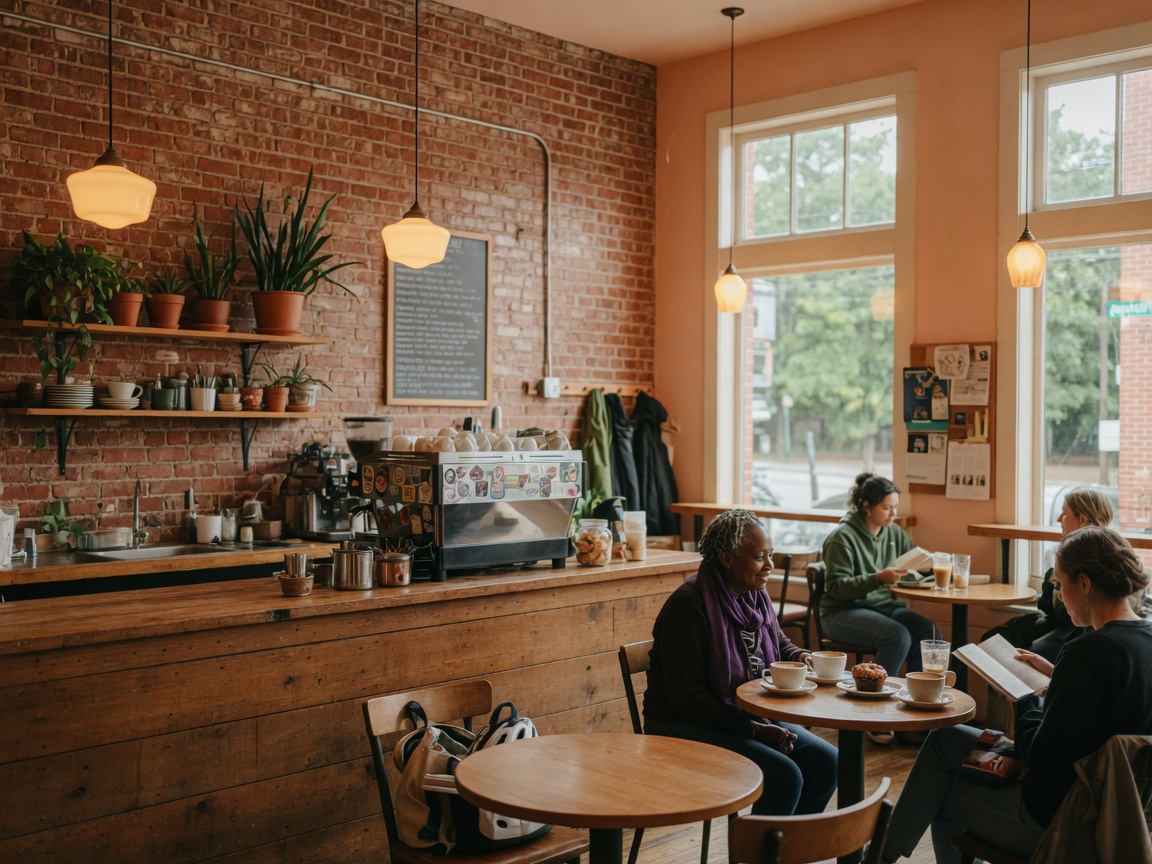
Talk to residents. Westview is a neighborhood where people are proud of where they live. Strike up a conversation at a cafe or on the trail, and you'll quickly understand the appeal.
About the Author

Tommy Williams
Tom Will Sell Atlanta · Intown Atlanta Expert
Tommy has extensive knowledge of Westview and Atlanta's west side neighborhoods. He can help you navigate the area's unique housing market and find the right property — whether you're buying, selling, or just exploring your options.