West Midtown is what happens when a city bets big on its industrial past and wins. In less than two decades, Atlanta's northwest corridor — once defined by abandoned rail lines, stockyards, and shuttered warehouses — has become one of the most dynamic, food-forward, design-driven neighborhoods in the Southeast. More than $1.5 billion in investment has transformed this stretch of Howell Mill Road and its surroundings into a district that rivals anything Brooklyn or Austin has to offer.
But West Midtown isn't a polished theme park version of urban renewal. It still has grit, history, and a few rough edges that give it personality. The result is a neighborhood that feels both cutting-edge and grounded — a place where you can eat at a James Beard-nominated restaurant, shop at an Atlanta Design Center showroom, walk the BeltLine, and grab a pint at a brewery in a converted industrial building, all within a few blocks.
What Is West Midtown?
West Midtown is a mixed-use district in northwest Atlanta, centered roughly along the Howell Mill Road corridor between I-75/I-85 and Northside Drive. It borders Georgia Tech to the east, Blandtown to the north, and the Collier Hills and Berkeley Park neighborhoods to the west. The area sits primarily in the 30318 zip code and has become one of Atlanta's most active development zones.
The district is best known for three things: its transformation of industrial architecture into restaurants, offices, and residences; a culinary and design scene that punches well above its weight; and a proximity to Georgia Tech that gives it a constant flow of energy and young talent.
Quick Facts
History: From Rail Yards to a $1.5-Billion District
The story of West Midtown begins with railroads. In the 1880s, this corridor was the industrial backbone of Atlanta — a network of rail lines, freight depots, and manufacturing plants that powered the city's post-Civil War economy. General Sherman's troops marched through these same rail yards during the Civil War, and the area remained an industrial workhorse for more than a century.
The Blandtown community — one of Atlanta's first post-Civil War African American settlements — sat at the northern edge of this industrial zone. Founded by formerly enslaved people, Blandtown was a self-sustaining community with churches, homes, and businesses. But in the 1950s, the city rezoned the surrounding area for heavy industrial use, and over the following decades, many Blandtown residents were displaced as highways, rail expansion, and commercial development encroached on the neighborhood.
By the 1990s, the industrial economy had moved on. Warehouses stood empty, and the Howell Mill corridor was a no-man's-land of shuttered factories and surface parking lots. But entrepreneurs and developers saw opportunity in the bones of these buildings — their high ceilings, open floor plans, exposed brick, and steel infrastructure. Adaptive reuse projects began converting warehouses into loft offices, galleries, and restaurants, catalyzed by early developments like Westside Provisions District in the early 2000s.
The transformation accelerated in the 2010s and 2020s with the arrival of The Interlock, Star Metals, and a wave of mixed-use projects that brought luxury residences, restaurants, retail, and creative office space to the corridor. Today, West Midtown is one of the most sought-after addresses in Atlanta — a district where the industrial past and urban future coexist in a way that feels authentic rather than manufactured.
The Howell Mill Road Corridor
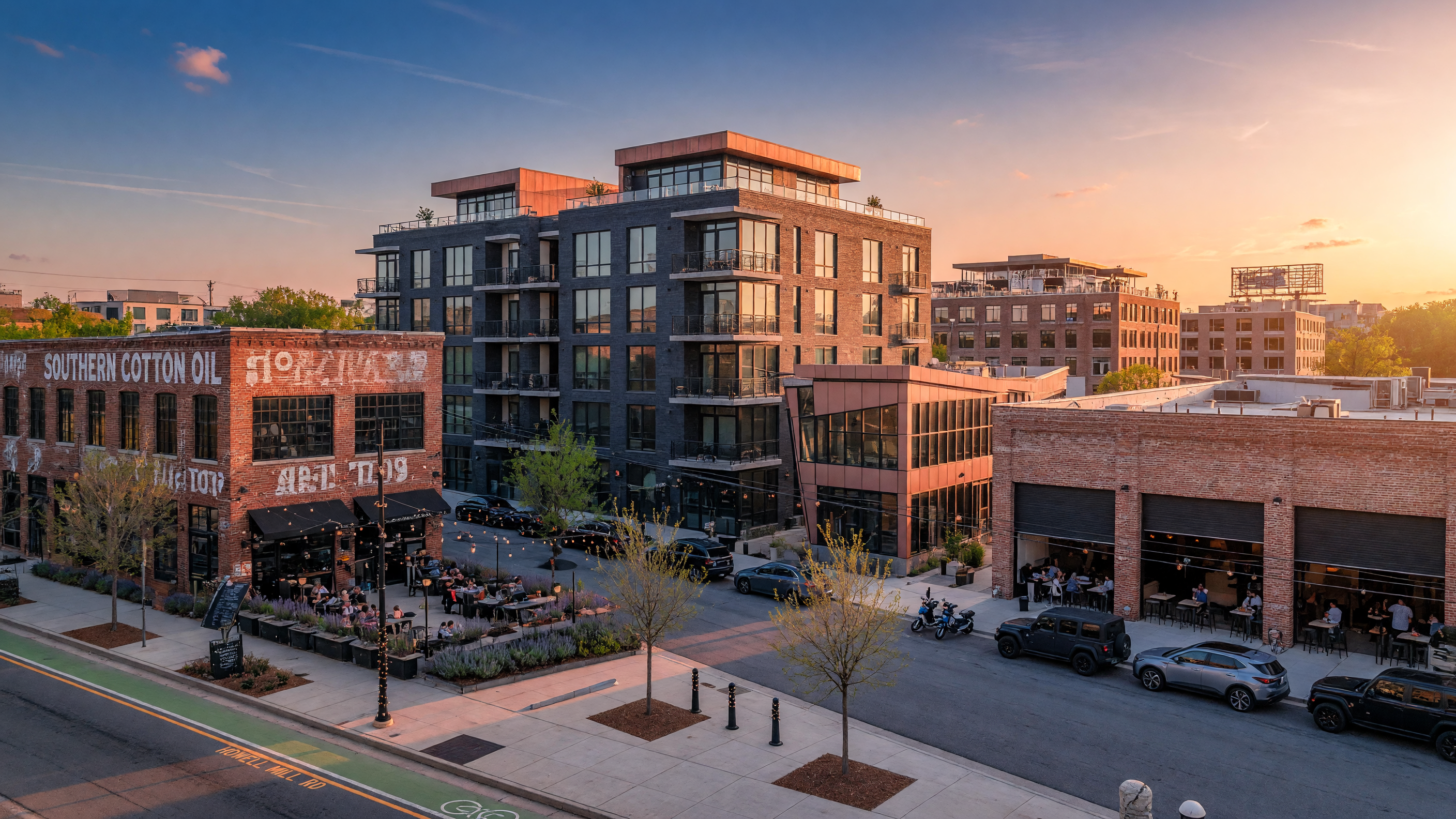
Howell Mill Road is the spine of West Midtown — the stretch where the transformation is most visible and the energy is most concentrated. Running roughly north-south through the district, Howell Mill connects the I-75/85 connector to the neighborhoods north of the railroad tracks.
Along this corridor, you'll find Westside Provisions District (a curated mix of boutiques, restaurants, and design studios), The Interlock (a massive mixed-use development with offices, residences, restaurants, and an entertainment complex), and Star Metals (a sleek residential and retail development that's become a landmark of the district).
The street itself has changed dramatically. What was once a strip of auto shops and industrial yards is now a walkable dining and shopping corridor with outdoor patios, bike lanes, and a constant flow of pedestrians. It's the kind of street where you might walk past a design showroom, grab coffee at BRASH, browse a vintage furniture store, and end up at one of Atlanta's best seafood restaurants — all without getting in your car.
The Atlanta Design Center & Boutique Shopping
West Midtown has quietly become Atlanta's design capital. The Atlanta Design Center, concentrated along Howell Mill Road and in the surrounding warehouses, is home to dozens of interior design showrooms, furniture stores, art galleries, and creative studios. It's where Atlanta's designers, architects, and decorators come to source materials, furnishings, and inspiration.
But the design scene isn't just for professionals. Westside Provisions District offers a curated retail experience with boutiques, home goods stores, and specialty shops that feel more like a gallery than a strip mall. The district's mix of local and national brands — alongside restaurants and cafés — makes it a destination for anyone who appreciates thoughtful design and good food.
Notable spots include Mercer + 18th, a lifestyle boutique; Whitespace Gallery, a contemporary art space; and a rotating collection of pop-up shops and design installations that keep the corridor fresh.
Georgia Tech & the Blandtown Connection
West Midtown's proximity to Georgia Tech — one of the nation's top engineering and research universities — is a major factor in the district's growth. The university's expanding footprint has pushed westward into the Howell Mill corridor, bringing student housing, research facilities, and a constant influx of young talent that fuels the neighborhood's energy.
Georgia Tech's "Creative Quarter" initiative has specifically aimed to bridge the gap between the campus and West Midtown's creative and design community, fostering collaboration between the university's engineering and design programs with the district's studios and showrooms.
The Blandtown neighborhood, just north of the main commercial corridor, is part of this story. Once a thriving African American community, Blandtown was largely displaced by industrial development in the mid-20th century. Today, the area is seeing new residential development — primarily townhomes and mixed-use projects — while community advocates work to preserve Blandtown's history and ensure that its legacy is remembered as the area transforms.
Parks, Trails & Outdoor Life
West Midtown's outdoor scene is anchored by its connection to the Atlanta BeltLine's Westside Trail. The trail runs through and near the district, providing a paved path for walking, running, and cycling that connects West Midtown to the West End, Atlanta University Center, and the Westside Park at Bellwood Quarry — Atlanta's largest park at 280 acres.
The Westside Trail has been a game-changer for the area, creating a pedestrian-friendly connection between neighborhoods that were previously separated by industrial infrastructure. The trail's expansion is ongoing, with future segments planned to extend the network further into northwest Atlanta.
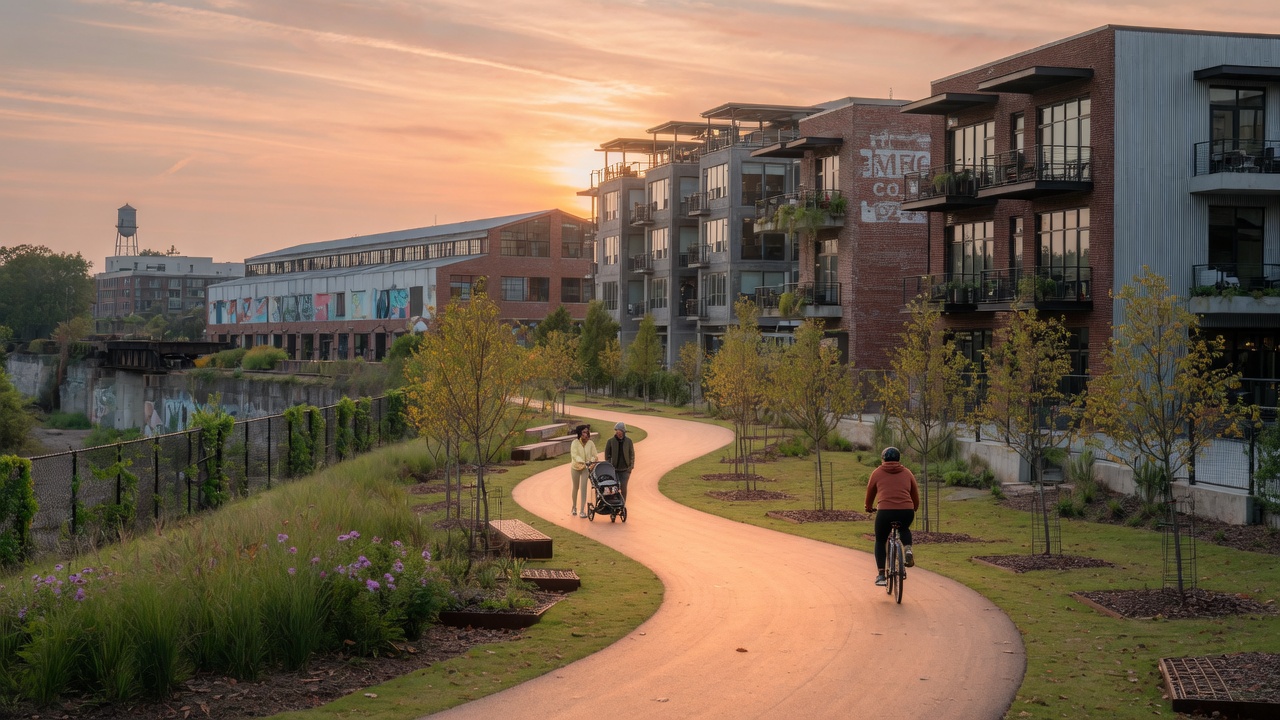
Beyond the BeltLine, Howell Mill Park and several pocket parks provide green space within the district. The proximity to Westside Park at Bellwood Quarry — with its massive quarry lake, hiking trails, and dramatic overlooks — gives West Midtown residents access to one of Atlanta's most impressive outdoor spaces.
What Makes West Midtown Unique
There are plenty of trendy neighborhoods in Atlanta. So what makes West Midtown different?
The industrial DNA. West Midtown doesn't pretend to be something it's not. The exposed brick, steel beams, concrete floors, and railroad tracks aren't decoration — they're the actual bones of a working industrial corridor that's been thoughtfully repurposed. That authenticity is hard to fake and impossible to replicate.
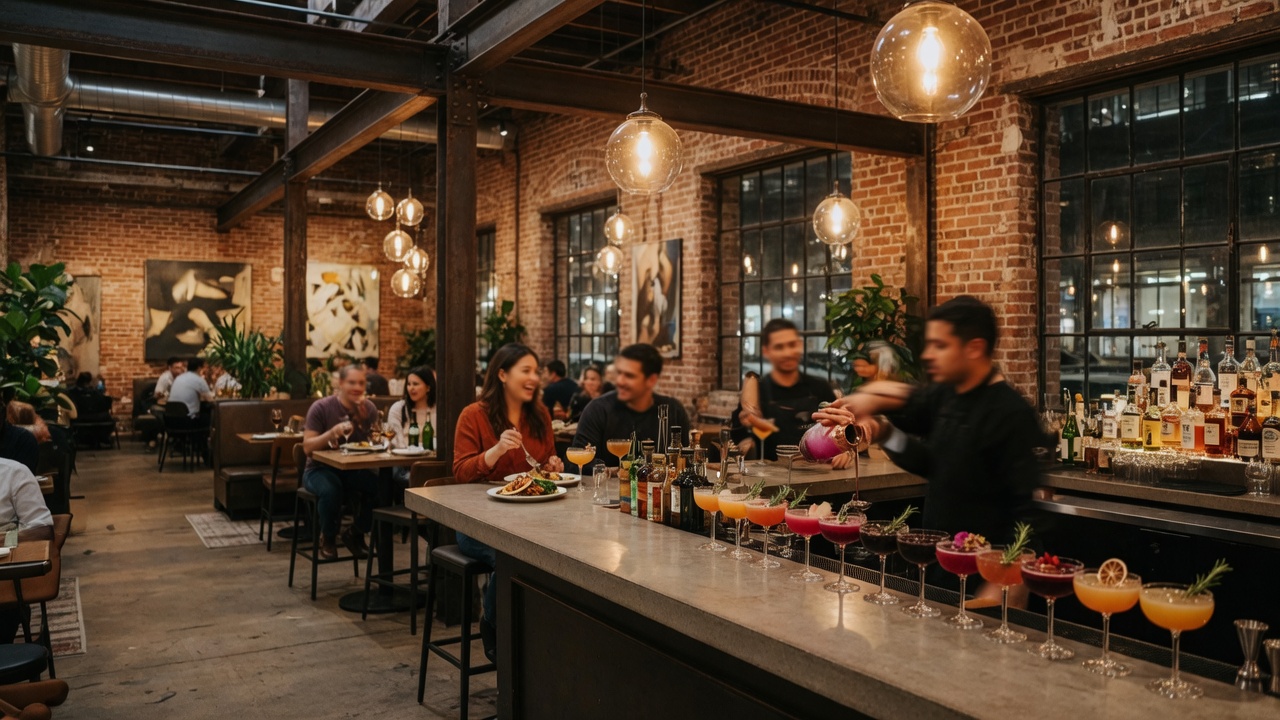
The culinary concentration. Few corridors in Atlanta can match the density and quality of West Midtown's restaurants. From The Optimist's acclaimed seafood to Marcel's steakhouse to the food options at Westside Provisions, the district has become a genuine food destination.
The design ecosystem. Having the Atlanta Design Center, boutique shops, and creative studios all within walking distance creates a creative ecosystem that attracts architects, designers, and artists — people who care about aesthetics and craftsmanship. That energy spills over into everything from the restaurants to the residential design.
The Georgia Tech connection. The university brings a constant flow of young talent, innovation, and energy to the area. It also provides a stable economic anchor that insulates the district from some of the boom-bust cycles that affect purely commercial neighborhoods.
The BeltLine access. The Westside Trail connection gives West Midtown something most west-side neighborhoods have lacked — a pedestrian link to the rest of Atlanta's intown trail network.
What's New in West Midtown
The dining scene went through another round of turnover in 2026. Torchy's Tacos closed its Star Metals location in February, Big Bad Breakfast closed in July after less than nine months, and Palo Santo shuttered after failed lease negotiations. The replacements keep coming: Omma, a cocktail-driven bar and restaurant from the MidCity team, is slated to open at 950 West Marietta Street this fall, joining the strong recent additions at The Interlock and Star Metals. The district's energy doesn't depend on any single name, and the corridor keeps reinventing itself.
Tips for Getting to Know West Midtown
If you're considering a visit or a move, here's how to get the most out of West Midtown:
Walk Howell Mill Road. Start at Westside Provisions District and walk south past the restaurants, shops, and design showrooms. The stretch between 14th Street and the railroad tracks is the heart of the district. Then head north toward The Interlock to see the newer development.
Time your visit for dinner. West Midtown's restaurants come alive in the evening. Book a table at The Optimist or Marcel, grab drinks at one of the brewery taprooms, and experience the district when it's at its most vibrant.
Explore the BeltLine Westside Trail. Walk or bike the trail to get a sense of how West Midtown connects to the broader Atlanta trail network. The views of the skyline from certain stretches are worth the trip alone.
Check out the design showrooms. Even if you're not furnishing a home, the Atlanta Design Center showrooms are worth browsing. The displays are curated like galleries, and the staff are often happy to walk you through current trends.
Visit Westside Park. Take a short drive or bike ride to Bellwood Quarry's Westside Park for one of Atlanta's most dramatic outdoor spaces. The quarry lake overlook is especially impressive.
Look for pop-ups and events. West Midtown hosts regular events, pop-up markets, and design installations. Check the Westside Provisions District and The Interlock calendars for what's happening.
Is West Midtown Right for You?
West Midtown works best for people who want an urban, walkable, food-and-design-oriented lifestyle without the density (or price) of Midtown proper. It's ideal for young professionals, creatives, Georgia Tech affiliates, and anyone who values a neighborhood with genuine character and constant energy.
The housing stock ranges from luxury condos in mixed-use developments ($350K–$800K+) to new-construction townhomes ($450K–$750K) to converted warehouse lofts ($300K–$600K). The rental market is also strong, with luxury apartments at Star Metals, The Interlock, and other developments commanding premium prices for their amenities and location.
For more detail on housing styles, pricing, and the real estate market, check out our West Midtown Real Estate guide. And for a deeper dive into the dining scene, read our West Midtown dining guide.
About the Author
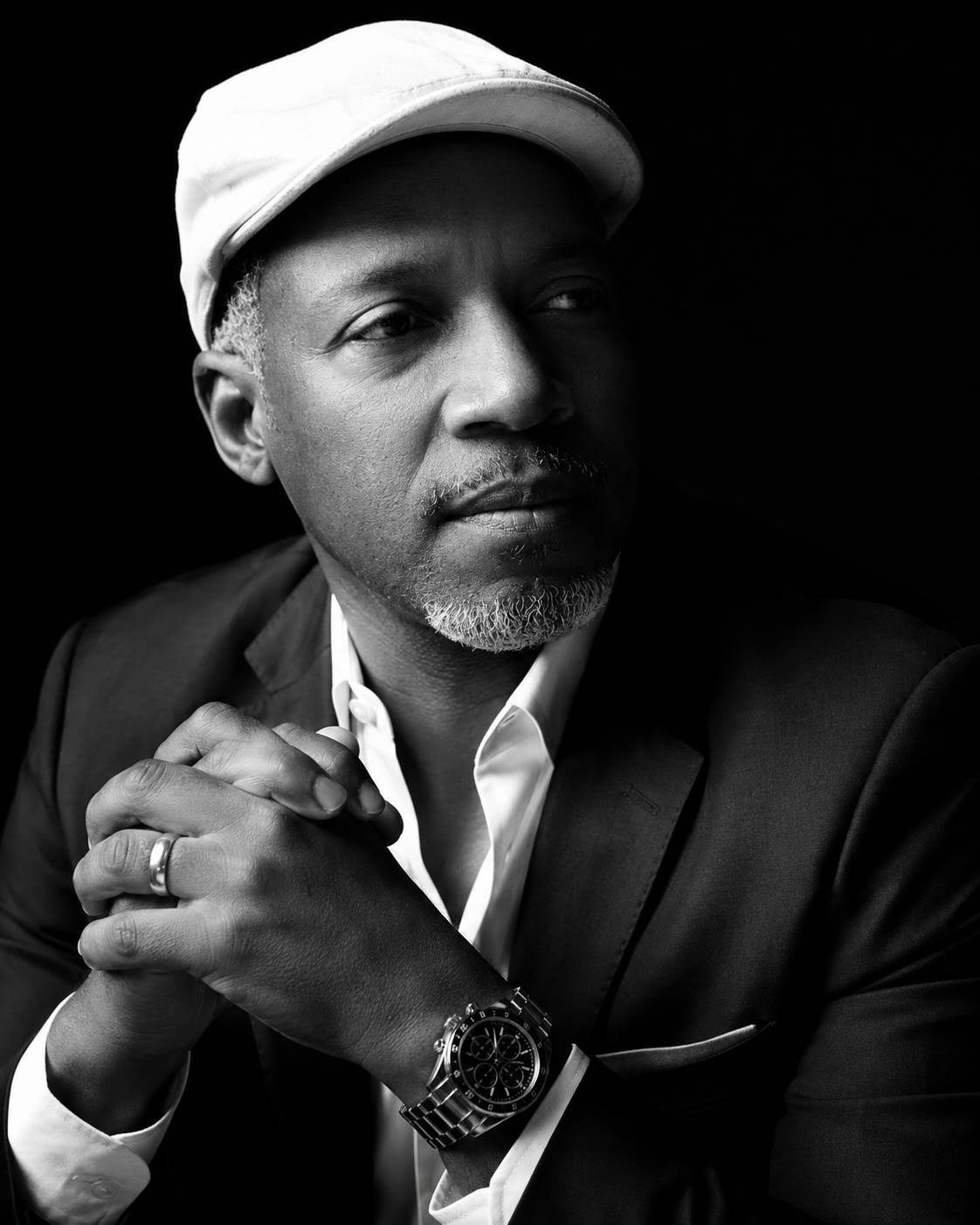
Tommy Williams
Tom Will Sell Atlanta · Intown Atlanta Expert
Tommy tracks West Midtown's evolving landscape block by block — from the adaptive-reuse projects on Howell Mill to the new townhomes rising near the BeltLine. When he's not helping clients find their next home, he's exploring the district's newest restaurants and design studios.