
Fix-and-flip and buy-and-hold are the two strategies most Atlanta investors compare when they are getting started, and the answer is rarely the same for two people. This comparison covers the deal math, timelines, capital requirements, tax treatment, and risk of each, then lines them up against where Metro Atlanta sits right now: median sale prices near $405,000 as of July 2026, roughly 5.5 months of supply, and 30-year fixed rates near 6.95%.
The Deal Math
The core difference is where your return comes from. A flip makes its money almost entirely on the spread between purchase price, renovation cost,and resale price, all compressed into months. A buy-and-hold makes its money over years through rent, principal paydown, appreciation, and tax benefits. Different machines, different fuel.
| Dimension | Fix-and-Flip | Buy-and-Hold |
|---|---|---|
| Return engine | Price spread after rehab | Rent plus appreciation over years |
| Typical timeline | 4 to 8 months per deal | 5 to 20-plus years per property |
| Capital at risk | All at once, recycled fast | Locked in, but compounding |
| Income | None until sale closes | Monthly rent from month one |
| Tax profile | Short-term gains, taxed as ordinary income | Depreciation shelters are rental income; gains can defer via 1031 |
What a Flip Actually Requires
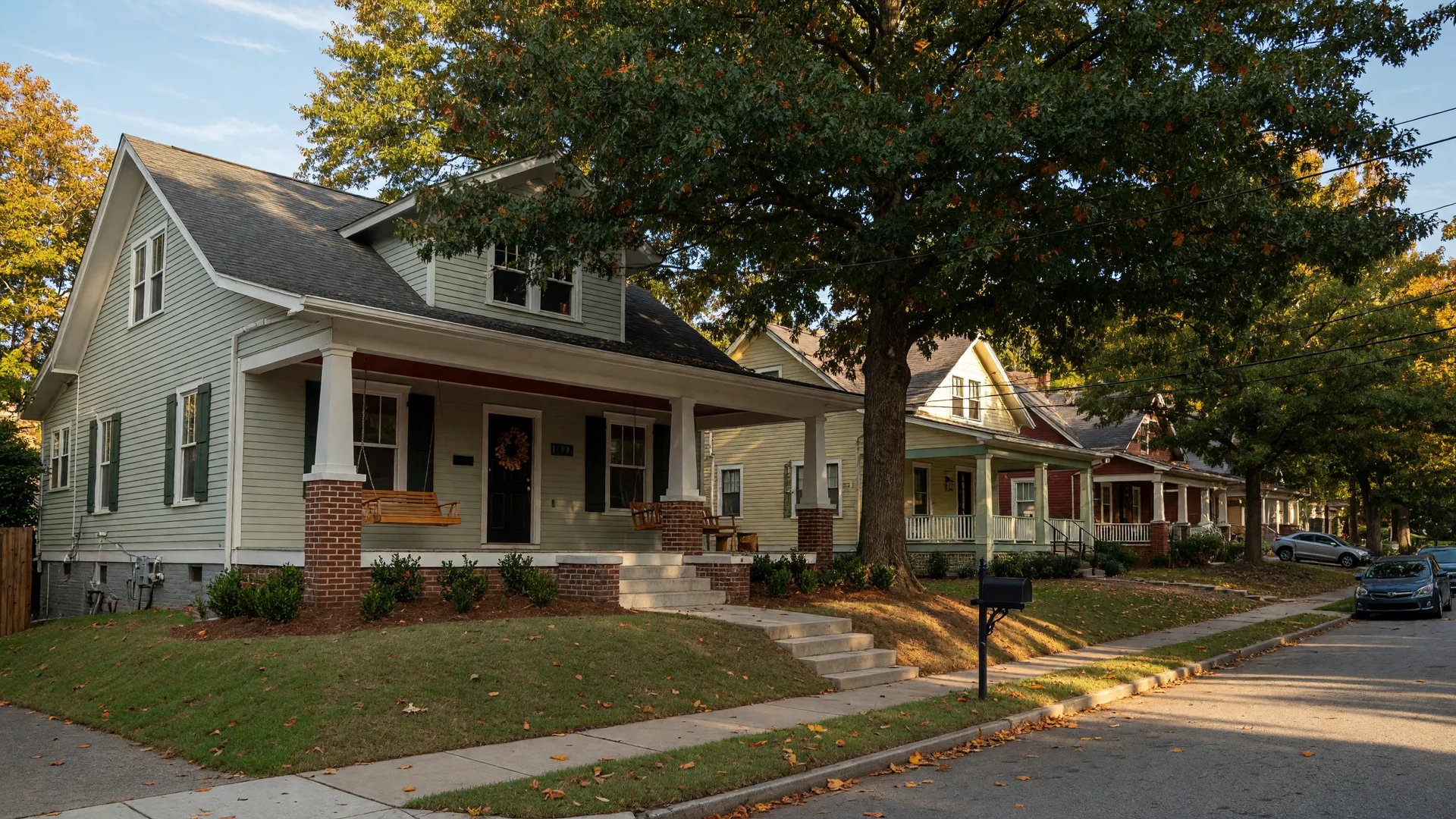
Take a realistic intown example modeled on current pricing. A dated bungalow in West End or a similar emerging corridor buys around $250K, with another $60K to $80K in hard costs, carrying costs, and purchase costs. At an after-repair value near $380K to $400K, you are looking at a gross margin of maybe 15% to 20% before you pay interest, realtor fees at resale, closing costs, and taxes. The spread you keep after all of that is your pay for 4 to 8 months of active management.
Flipping works best when three things line up: you can buy 15% or more below market, you have a renovation team that hits budgets, and you can sell into a market where buyers are still active at your target price. In mid-2026, that third condition is decent across the metro: days on market sit near a median of 57, so correctly priced flips still move,but gone are the days when anything renovated that hit the MLS drew multiple offers overnight.
What Buy-and-Hold Requires
Buy-and-hold does not need a renovation crew, but it needs patience and underwriting discipline. At today's prices, an intown rental that pencils at entry produces something like a 5% to 7% cap rate depending on neighborhood, with cash-on-cash returns that improve as rents rise year over year. The math only works if you underwrite the rent honestly, budget real maintenance, and hold long enough for the spread between rent and cost to widen.
The construction pipeline across metro Atlanta has fallen to a decade low, which supports rent growth through 2027 and beyond. That is a tailwind for landlords to a degree flippers never feel: time is on your side when supply shrinks. Meanwhile financing matters more than ever at these prices: DSCR loans run about 6.25% to 8.0% for well-qualified borrowers, and hard money for short-term holds runs 8% to 15%, typically 9% to 12%.
Risk and Which Fits This Market
The biggest flip risk is mispricing the resale, and in a market with 5.5 months of supply, mispricing costs you months of carrying costs. The biggest hold risk is tenant turnover and deferred maintenance eroding your yield over time. Flip risk hits you immediately and completely; hold risk nibbles at you slowly but can be managed with good property management.
Right now I lean toward buy-and-hold for most investors, especially first-timers, because the supply-driven rent tailwind is doing real work for landlords, while flippers need sharper-than-ever sourcing to find the margin. If you have an experienced crew and a repeatable off-market pipeline, flipping still works, but this is not the market to learn it on your first deal. If you want to explore either path deeper, the full strategy breakdown lives at the Atlanta investing hub.
Quick Answers
Which is safer in 2026, flipping or renting?
How much capital do I need to start each?
Not sure which strategy fits your capital and timeline? Let's run the numbers on a few real deals and decide together.
I'll be in touch.
About the Author

Tommy Williams
Tom Will Sell Atlanta · Intown Atlanta Real Estate Expert
With over 20 years of experience and over 500 homes sold across Metro Atlanta, Tommy brings deep local knowledge and a steady hand to every transaction. He works with investors across the metro to source, underwrite, and execute the strategy that fits their goals. Get in touch for a conversation.