
The commercial market,
in the numbers that matter.
This page is the Metro Atlanta commercial snapshot for 2026: office, retail, industrial, and multifamily, with vacancy, asking rents, cap rates, and the one-line read for each as an investor. Every figure is taken from the published market reports linked below, so you can check the math yourself.
Note on the data Commercial metrics vary by research firm because definitions differ (direct vs. total vacancy, full-service vs. NNN rents). Figures here are the latest published readings as of Q2 2026, released September 2026, from the reports cited under each sector. Tommy re-verifies against current listings and closing comps for every property you shortlist.
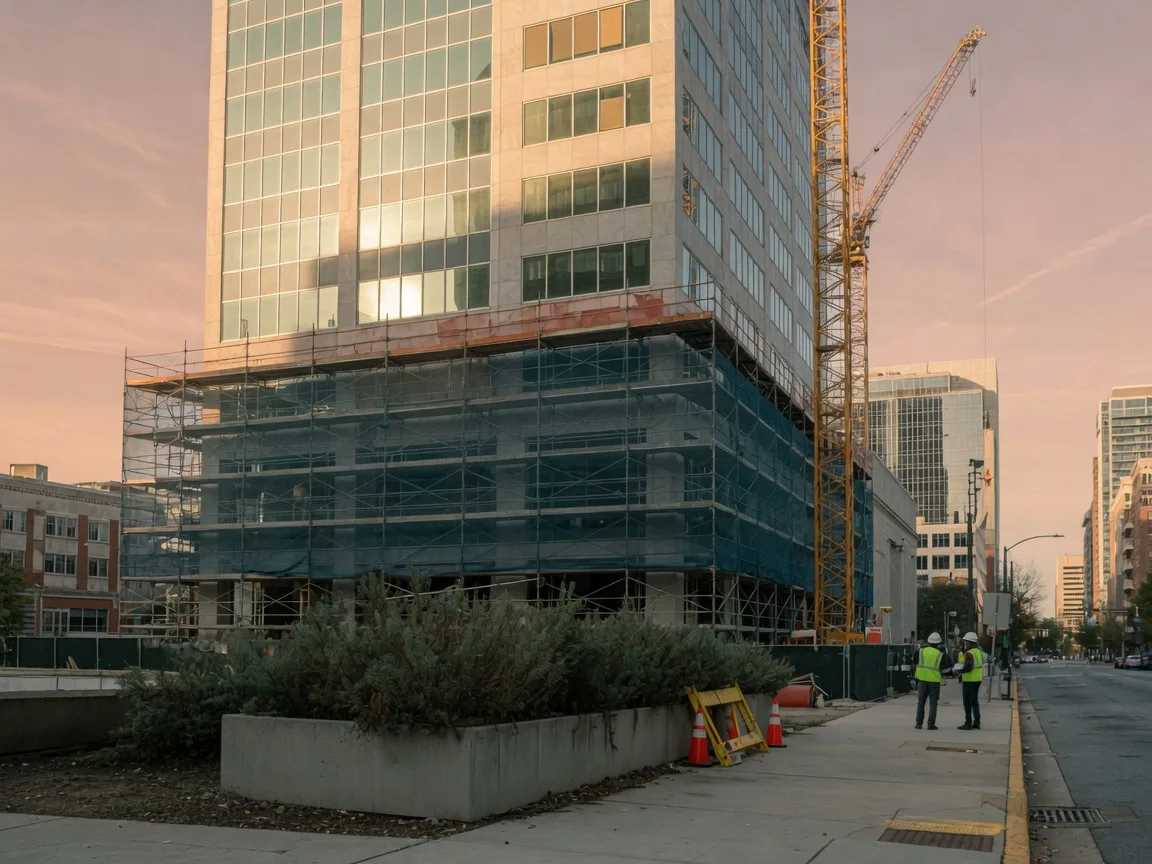
Office
Vacancy is easing off its peak, and buying office in 2026 means buying a plan.
Q2 2026 total vacancy, down 25 bps year over year and the lowest in eight quarters
Average direct asking rent, full-service gross, up about 0.9% year over year
Trophy and Class A hold up; older towers trade at deep discounts or head to conversion
Office is a value and repositioning play right now, not a buy-and-hold. The buyers who do best are underwriting a seriously reduced basis, capital for tenant improvements, or conversion math on buildings that should not be office at all.
Retail
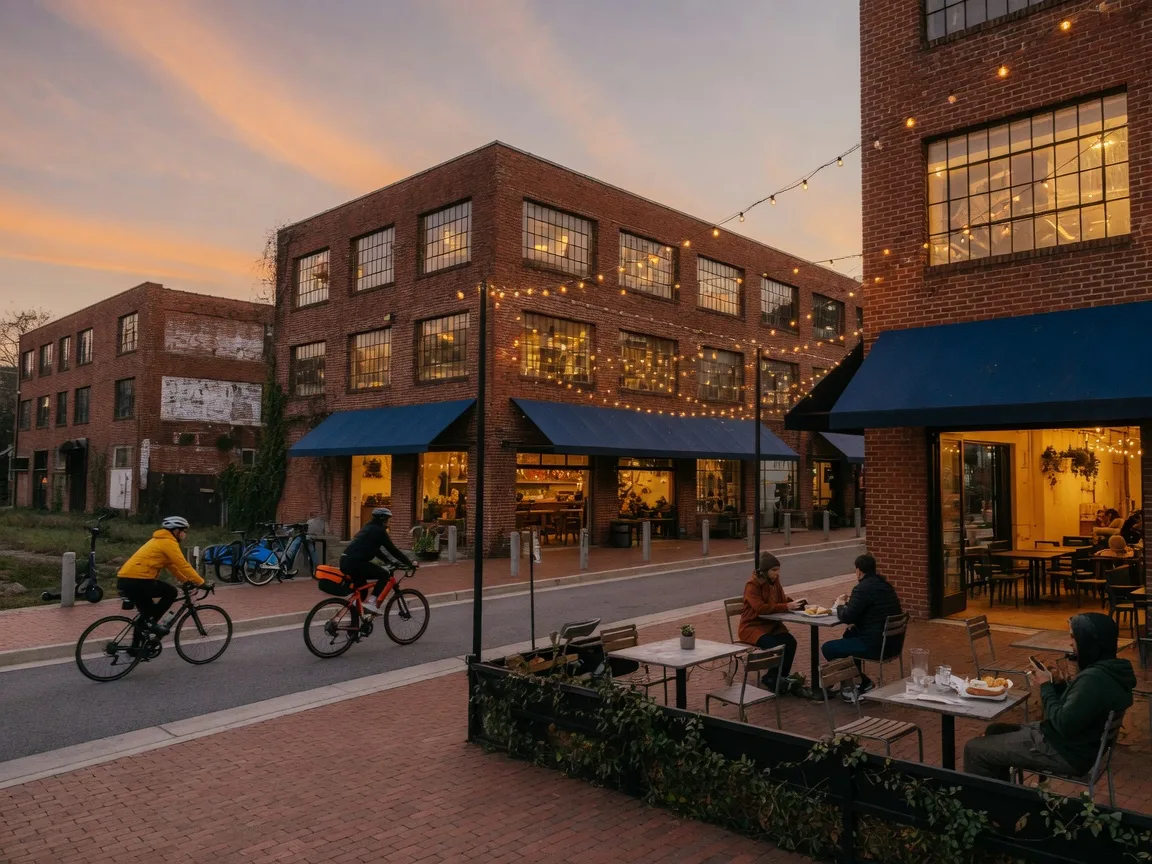
The tightest sector in the metro, with rents still climbing on constrained supply.
Q1 2026, up modestly quarter over quarter but still below the roughly 5.3-5.5% long-run average
Q4 2025 average asking rent in the metro, up about 3.6% year over year
Retail construction is sharply limited; anchor closures add space, but brands are backfilling quickly
With vacancy this tight and rents still growing, the risk is not the market, it is the tenant on your rent roll. Disciplined tenant underwriting and watching lease expiries matter more than the headline vacancy number.
Industrial
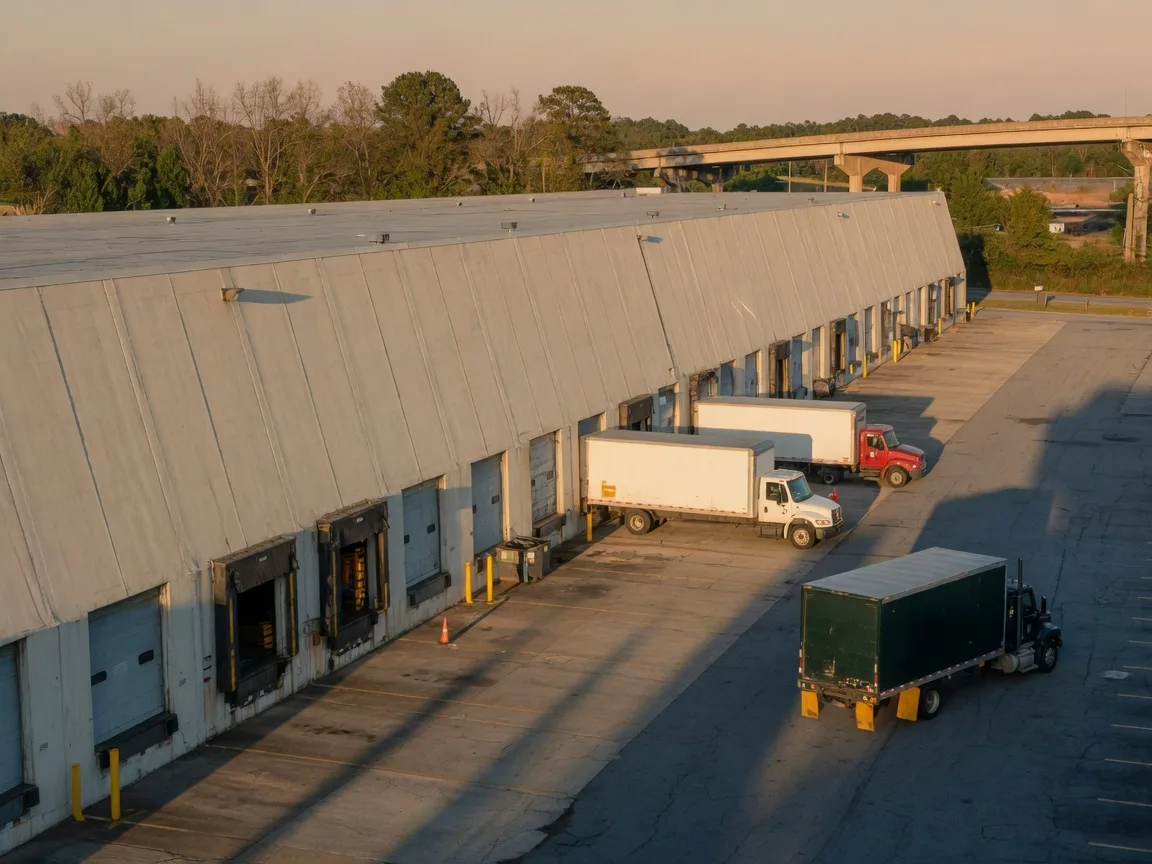
Cap rates have reset up, which means cash yield is back for patient buyers.
Q2 2026 by source (JLL 9.0%, Matthews 8.4%, C&W direct 7.7%); airport submarkets run far tighter
Metro average Q1-Q2 2026, ranging roughly 5.25-7.5% by product and location
Absorbed in Q2 2026 at JLL count, with 3PL and logistics firms the leading tenant group
This is where the rate reset works in a buyer favor. Industrial cap rates moved up with interest rates, and e-commerce plus third-party logistics are still absorbing space. The boxes that work: airport and Northeast I-285 submarkets, mid-bay multipurpose product with dock and drive-in doors, and tenants whose business is freight, not fashion.
Multifamily (5+ units)
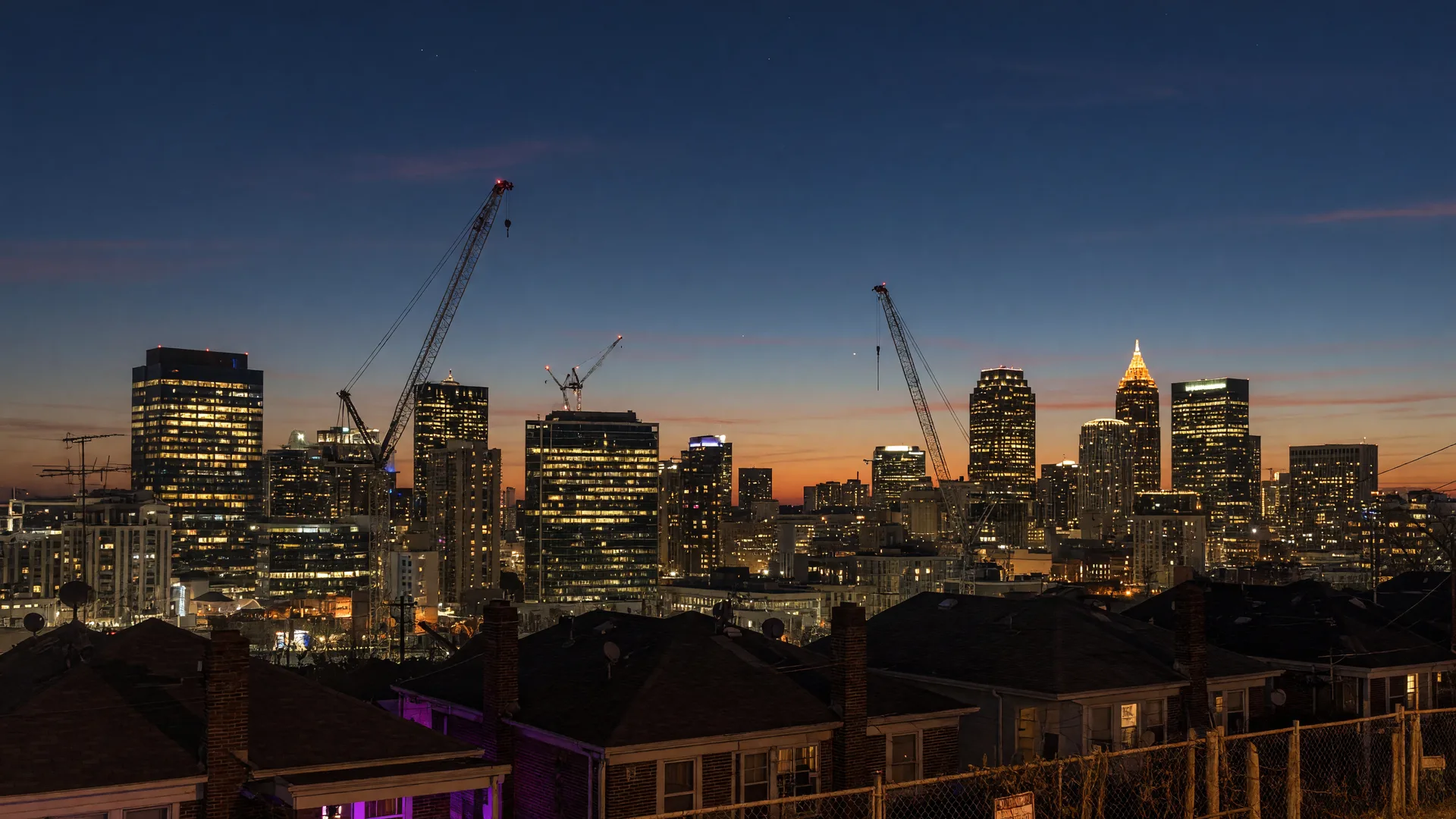
The supply wave is easing, and rent growth has turned positive again.
Q2 2026 metro average; Class A near 4.7-4.8%, B near 5.1-5.2%, C near 5.6-5.7%
Q2 2026 metro average, first positive year-over-year reading after two years of declines
Year-end rent forecast near $1,602/mo, Atlanta projected a top-2 U.S. metro for 2026 rent growth
Multifamily is turning a corner. After absorbing an unusually large supply wave, the metro should finish 2026 with occupancy tightening and rent growth resuming. For buyers of 5+ unit assets, that points to a value-add setup: acquire near 5.2-5.6% cap with a unit reinvestment plan, just as the growth slot reopens.
My honest read on the first half of 2026.
Here it is straight. After a couple of reset years, today's Atlanta commercial market is buyable again, with the important caveat that it is three different markets in one: industrial has re-priced and still rents; retail is tight, constrained, and defensive; multifamily is turning from oversupply into recovery; and office only works with a clear, capital-heavy plan. The common denominator across all four is underwriting discipline and access to the right property at the right basis. That is exactly the part I spend my day on.
Numbers on this page were current as of Q2 2026. By the time you are ready to pull the trigger, mine will have moved. A short conversation to see where things stand beats reading this page twice.