
Four corridors,
one honest map.
Most of the commercial action in Metro Atlanta concentrates in four corridors: the industrial belt around I-285, the retail spine of the BeltLine, the adaptive reuse wave in downtown and Midtown, and the logistics zone that wallpapered Hartsfield-Jackson. Here is what is happening in each, who it fits, and what to watch.
The I-285 Industrial Belt
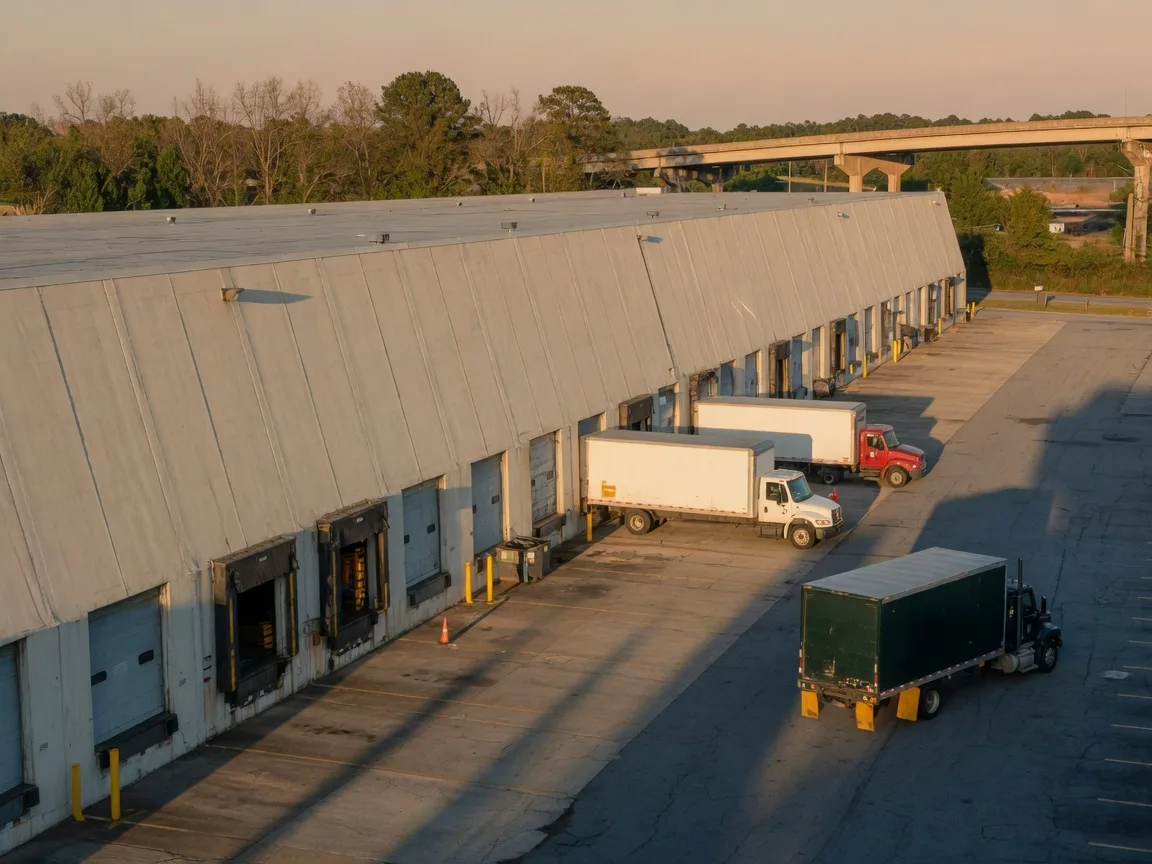
Atlanta's truck and rail network rings the I-285 perimeter, and most of the action sits on three legs: the I-85 North corridor through Gwinnett, the I-75 South and Airport-South corridor toward Henry County, and the Fulton Industrial corridor along I-20 West.
The Northeast leg has been the strongest all year, taking roughly a third of metro demand in Q2 2026 with vacancy under 7% and top bulk product asking near $14.75 per square foot. The South and West legs stay value priced near $6.50 to $8.50 per square foot, and third-party logistics plus e-commerce fillers are the leading tenant group.
The reason is geography: Atlanta puts about 73% of the U.S. population within a four-day drive, which makes the ring a natural distribution spine. Demand is still absorbing space even as the overall metro vacancy number softens.
Who it fits
Buyers of mid-bay or small-bay industrial, 1031 exchangers consolidating rental equity at scale, and investors who like corridors where the strongest tenants are freight, distribution, and fulfillment companies.
Watch-outs
Metro-wide vacancy of roughly 8.4% to 9.0% means not every box is equal. Avoid speculative bulk product in oversupplied legs, tie the rent to a tenant whose business is moving goods, and be patient with lease-up on anything not pre-leased.
BeltLine Retail Corridors
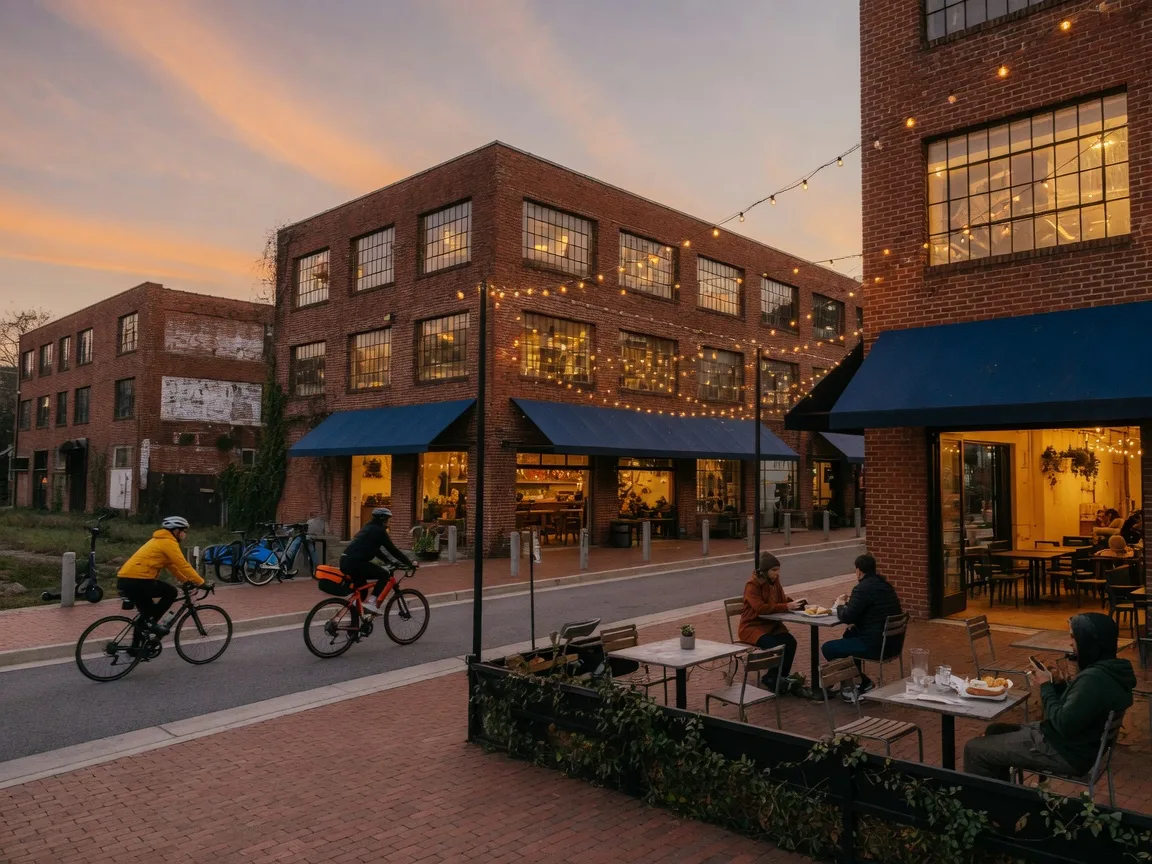
Commercial rent along the Atlanta BeltLine now ranks at the top of the metro, and the strongest nodes keep proving it: Ponce City Market and the Ponce de Leon frontage along the Eastside Trail set the ceiling, Lee + White in the West End has run nearly full with a food hall, breweries, and adaptive reuses, and Summerhill's Georgia Avenue is building out new retail and hundreds of apartments, with Krog Street as a center.
The city recently launched an affordable-commercial fund precisely because corridor rents price out local tenants, and an economic impact study put the corridor at roughly $23 billion a year.
As new BeltLine segments open (the Southside Trail in particular), retail corridors anchor and the bases are still below the Eastside.
Who it fits
Owners of multi-tenant neighborhood retail, buyers who can underwrite food-and-entertainment tenant mix, and long holds who want rent growth that tracks the trail.
Watch-outs
Entry prices are the highest in the metro and the yields on retail run accordingly. Watch tenant mix staying a traffic destination, parking and access at the node, and the pace of BeltLine unlock on the south and west sides, which is friendlier to earlier entry.
Downtown & Midtown Adaptive Reuse
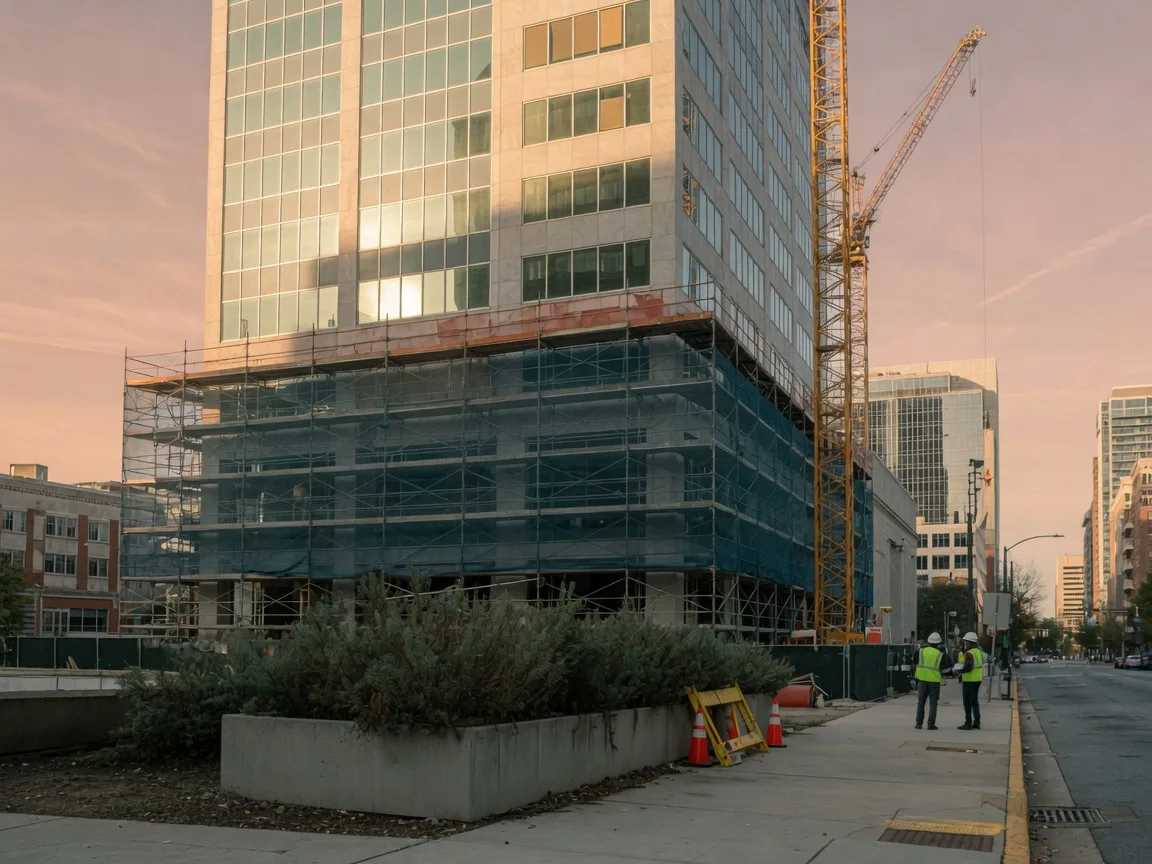
Atlanta is a national leader in office-to-residential conversion: roughly 2,600+ apartment units are in the pipeline across about ten projects, with more than 26 million square feet of office considered suitable for reuse. The biggest names are downtown: 2 Peachtree, Georgia-Pacific Center, the W.D. Grant Building, and the Atlanta Constitution Building among them.
The logic is simple and blunt: with metro office vacancy near 25%, the office market cannot absorb its own stock, so the city and lenders are repurposing the oldest and most conversion-friendly towers into housing and mixed use.
That removes office supply, cuts long-term office vacancy, and creates retail and residential demand downtown, which changes how the whole central market trades.
Who it fits
Groups with patience and real construction underwriting: joint ventures, established developers, and investors who can pair a conversion identity with institutional financing and hold for a multi-year cycle.
Watch-outs
Conversions are capital-heavy and slow. Floor plates, window coverage, plumbing risers, and parking all decide whether a building works, and entitlement with the city adds lead time. Do not underwrite the fast completion; underwrite what the conversion is worth once the neighborhood has filled in around it.
Airport-Adjacent Logistics (Hartsfield-Jackson)
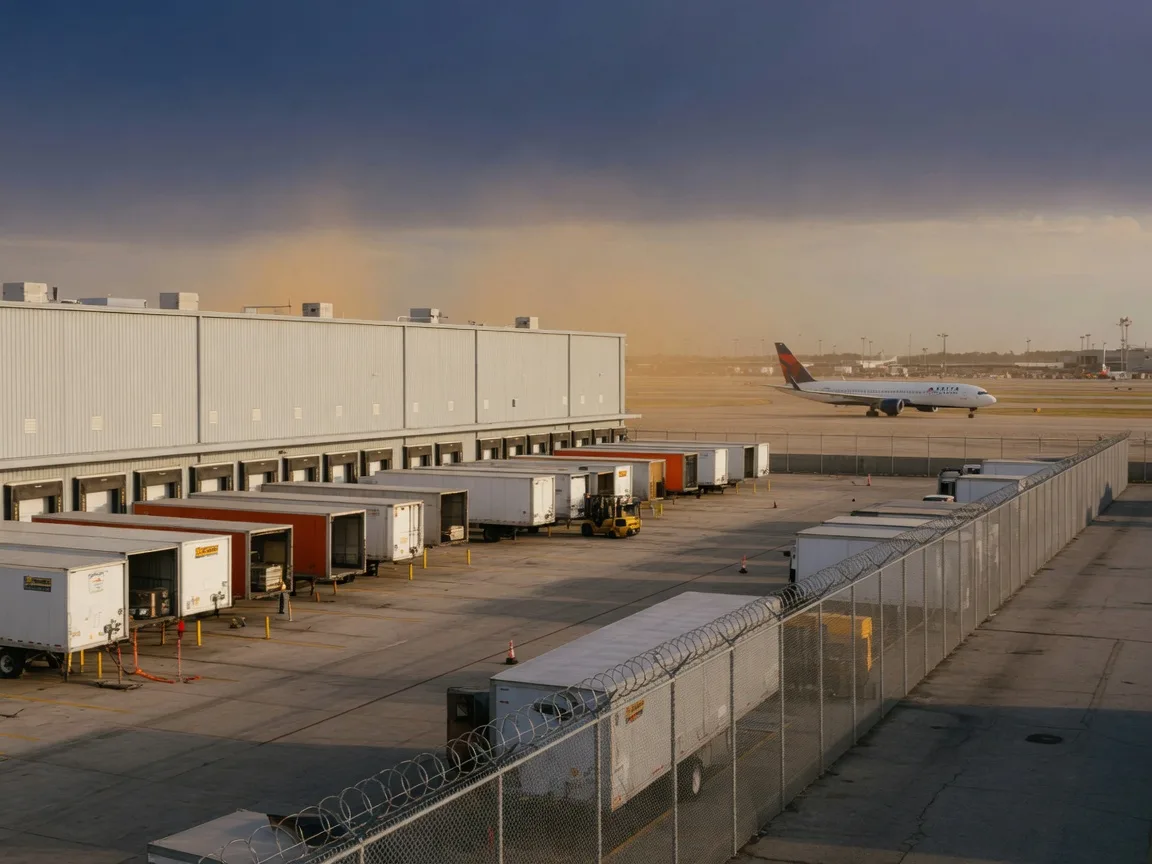
The airport industrial submarket around the world's busiest airport is tight as ever, with roughly 3% vacancy even as regional leasing slowed. New Class A product keeps coming: a South Atlanta logistics park broke ground in early 2026, and one of the largest owners completed another airport-corridor acquisition later in the year.
The airport itself is adding: Atlanta is planning roughly a doubling of its south-side air cargo footprint with around $368 million in modernization, and an aerotropolis group opened a headquarters next door in College Park.
Freight, air cargo, and ground logistics all land on the same southside economy, which keeps demand resistant to ebb while the rest of the metro cycles.
Who it fits
Industrial investors who want cash flow tied to the busiest freight airport in the country, and scale players who can buy, hold, and lease to cargo and distribution tenants with real balance sheets.
Watch-outs
Land is scarce and entitlement is hard, which raises the cost of entry and the purchase price per door. New supply lands continuously, so pay for leased product at a defensible basis, run the tenant quality check hard, and underwrite vacancy on older space that lacks a loading side.
- Bisnow, Airport-area Atlanta industrial stays tight (Jul 2026)
- Urbanize Atlanta, Atlanta office-to-housing conversion momentum
- Metro Atlanta CEO, Atlanta top-10 office-to-apartment converter (Apr 2026)
- AJC, BeltLine commercial rents and affordable-commercial fund (Sep 2025)
- Axios Atlanta, Ponce de Leon as the metro's priciest commercial street
- Cushman & Wakefield, Atlanta Industrial MarketBeat Q2 2026 (submarket demand shares)
The map only helps
when you move.
Tell me which of these four corridors fits your capital and timeline, and I will pull the current opportunities and honest numbers for that submarket.
Talk to Tommy