
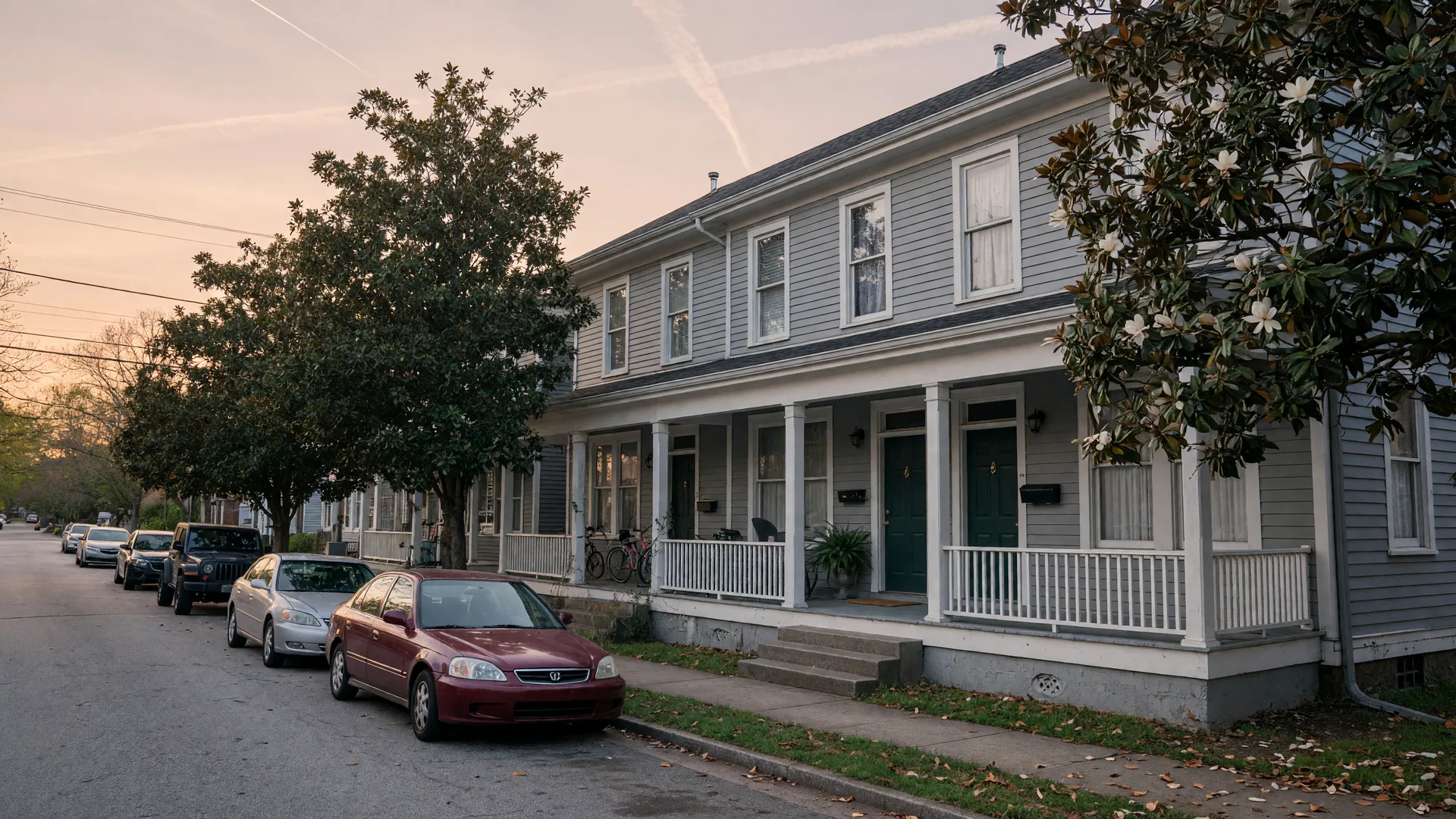
Two to four unit buildings are the sweet spot of Atlanta residential investing: large enough to spread risk across tenants, small enough that owner-occupant financing still applies. In intown Atlanta, duplexes and triplexes in neighborhoods like West End, Reynoldstown, East Atlanta, and the Westside BeltLine corridor offer the strongest path into multifamily for the average investor, both as a house hack and as a rental portfolio starter.
Why 2 to 4 Units Are Special
Residential financing rules treat a building with up to four units as a home, not a commercial asset. That single distinction opens up FHA, VA, and conventional owner-occupied loans on a property that is functionally a small apartment building. Buy a fourplex as your primary residence with an FHA loan and your 3.5% down payment applies to the whole building, not just your unit.
Comps across intown corridors in 2026 show duplexes and small multi-fams trading from roughly $350,000 to $550,000 depending on condition, unit count, and BeltLine proximity. Stabilized small multifamily in the same corridors carries cap rates around 5.5% to 7.0%, and rents have held up as the metro's rental pipeline has thinned. The numbers compare well against single-family at similar price points because two or three rent streams replace one.
House Hacking Is the On-Ramp
The most capital-efficient entry is still the house hack: buy a duplex or triplex with an FHA loan at 3.5% down, live in one unit, rent the others, and count the rental income against your mortgage. A modeled example in West End: a $400K duplex with 3.5% down, two units renting in the $1,600 to $1,900 range, and the rental side roughly covering the mortgage while you live nearly cost free.
After 12 months of occupancy you can move out, lease your unit, and the property becomes a full rental financed at house-hack terms. That is how many of Atlanta's small multifamily landlords started, and it remains the lowest-barrier path in this market. The full playbook, including VA zero-down options and neighborhood-by-neighborhood scenarios, is on the house hacking page.
Financing Beyond the House Hack
Once you own rentals, DSCR financing is the tool most Atlanta investors reach for. DSCR underwrites the property's income rather than your personal tax returns, which matters when your W-2 income does not tell the whole story. Small multifamily DSCR loans in 2026 run roughly 6.25% to 8.0%, with well-qualified borrowers and coverage ratios above 1.25 seeing rates in the low to mid 6s. Conventional investment loans on 2 to 4 units price a bit higher than primary-residence mortgages and usually want 20% to 25% down.
Management Considerations
The honest version: a fourplex is four landlords' problems in one building. You will field maintenance calls, chase rents, and deal with turnovers. Intown Atlanta tenants tend to be young professionals and students who value walkability, so location near BeltLine trails, MARTA, and nightlife makes leasing easier but does not reduce the management work.
Options are to self-manage your 10 to 20 hours a month, hire a professional manager for 8% to 10% of collected rent, or start with a management-light property like renovated units with separate utilities. If you plan to buy more than one property, professional management early often pays for itself. Georgia's rules matter too: non-resident owners are required by House Bill 399 to keep a Georgia-licensed broker or property manager as a local contact, and the Safe at Home Act caps security deposits at two months' rent. Both are manageable, but know them before you lease.
Quick Answers
Can I really buy a 4-unit building with 3.5% down?
DSCR or conventional for small multifamily?
Where are the best intown small multifamily corridors?
I source 2 to 4 unit properties across intown Atlanta every week. Tell me your down payment and timeline and I'll bring you the buildings that pencil.
I'll be in touch.
About the Author

Tommy Williams
Tom Will Sell Atlanta · Intown Atlanta Real Estate Expert
With over 20 years of experience and over 500 homes sold across Metro Atlanta, Tommy knows which intown blocks still have entry-priced small multifamily and which are already priced for the future. Get in touch to build a plan around your first or next building.